






What's Happening?
National Park College (NPC) in Hot Springs recently hosted U.S. Secretary of Education Linda McMahon and Arkansas Secretary of Education Jacob Oliva, among other education leaders, to showcase its workforce education programs. The visit highlighted NPC's
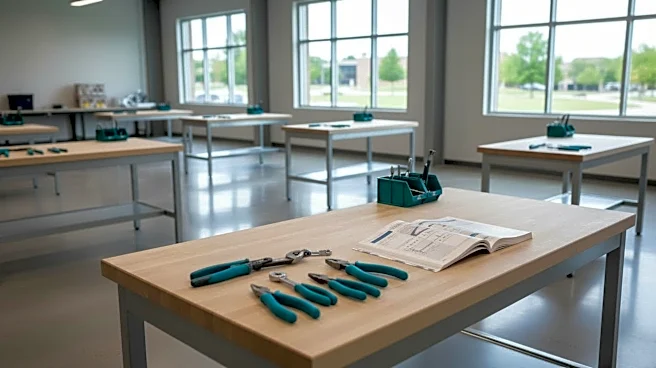
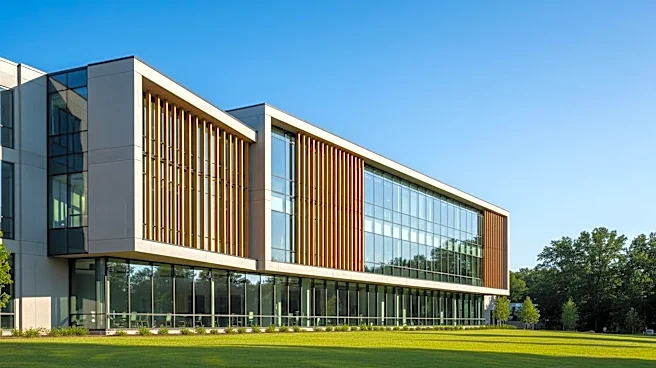
collaboration with regional employers to address workforce shortages and prepare students for high-demand careers. The college is set to open a new welding and metalworks facility, which will enhance its capacity for academic instruction and customized employer training. This facility aims to reskill and upskill the local workforce, particularly in skilled trades like welding and metalworks. Additionally, NPC's Marine Technology program, unique in Arkansas, addresses the needs of the state's growing recreational boating industry by providing hands-on learning opportunities and direct access to employers.
Why It's Important?
The expansion of NPC's workforce education programs is crucial for addressing the skills gap in Arkansas. By aligning educational offerings with the needs of regional employers, NPC is helping to ensure that students are equipped with the skills necessary for current and future job markets. This approach not only benefits students by increasing their employability but also supports local industries by providing a steady pipeline of skilled workers. The focus on career and technical education (CTE) is particularly significant as it challenges the stigma associated with CTE and emphasizes its role as a vital component of higher education. The collaboration between educators, employers, and policymakers is essential for strengthening the state's workforce pipeline and meeting the demands of various industries.
What's Next?
NPC's continued investment in workforce education programs is expected to further strengthen its partnerships with regional employers. The new facilities and programs will likely attract more students interested in pursuing careers in skilled trades, thereby helping to alleviate workforce shortages in these areas. The college's approach may serve as a model for other institutions looking to enhance their workforce education offerings. Additionally, ongoing discussions among education leaders and policymakers could lead to further initiatives aimed at expanding career and technical education opportunities across the state.