
What's Happening?
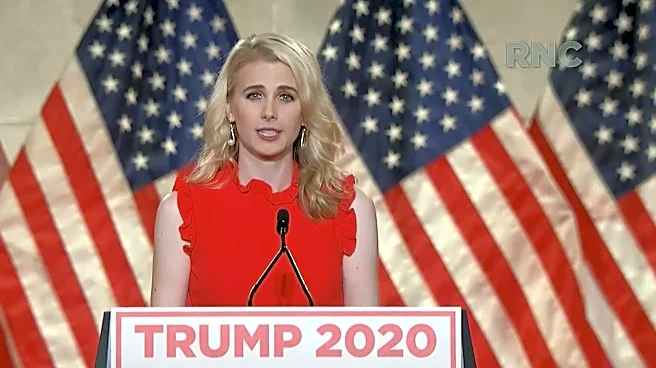
The nature of White House aide Natalie Harp's close relationship with President Trump has become a subject of intense speculation and controversy, particularly after Senator Jon Ossoff, a Georgia Democrat, referenced her during a campaign rally. This
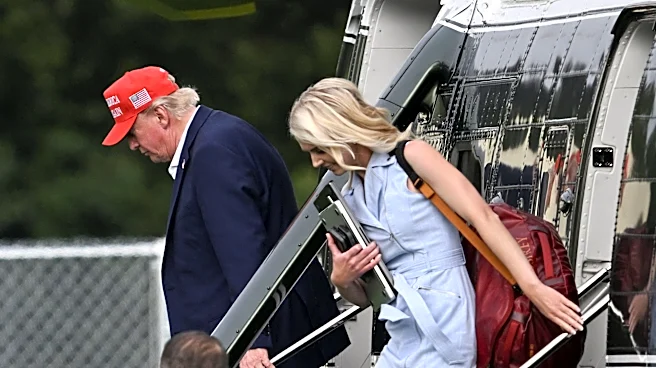
speculation has been fueled by the recent publication of two reverential letters allegedly written by Harp to President Trump in 2023, when she was a presidential campaign aide. These letters, obtained by journalist Michael Wolff, contain highly personal and devoted language, with Harp expressing deep admiration and a desire to bring President Trump "nothing but joy." Harp's role has included tasks such as posting President Trump's remarks to Truth Social, texting on his behalf, and carrying a portable printer to provide him with hard copies of news articles. Her frequent proximity to President Trump, and reports that she worked without a security clearance for a year, have raised concerns among some staffers. President Trump reportedly refers to her as "sweetie" and has told aides that "Harp is the only one who loves him as much as his wife and children."
Why It's Important?
The scrutiny surrounding Natalie Harp's relationship with President Trump is important for several reasons, primarily concerning the ethical boundaries of staff-president interactions and the potential for undue influence within the White House. The highly personal nature of the alleged letters and Harp's reported devotion raise questions about the professionalism and appropriate conduct expected of White House staff. The fact that she reportedly worked without a security clearance for a year, despite her close proximity to sensitive information, highlights potential security vulnerabilities and a disregard for established protocols. This situation also underscores President Trump's known preference for personal loyalty, which can lead to unconventional staffing arrangements and a blurring of professional lines. The intense backlash from the White House and President Trump's allies against Senator Ossoff's comments further politicizes the issue, suggesting a sensitivity to public perception regarding the President's personal relationships. This dynamic can distract from policy discussions and fuel narratives about the inner workings of the White House, impacting public trust and the perceived integrity of the administration.
What's Next?
The controversy surrounding Natalie Harp's relationship with President Trump is likely to continue, especially given the White House's strong reaction to Senator Ossoff's comments and the ongoing media attention. Senator Ossoff, who is running for re-election and is considered a potential presidential candidate in 2028, has doubled down on his remarks, indicating that he views Harp as a public official subject to scrutiny. This suggests that the issue may remain a talking point in political discourse, particularly as the next election cycle approaches. The White House will likely continue to deny any impropriety, while critics will use the alleged letters and Harp's reported conduct to question the administration's ethical standards and operational integrity. The situation could also prompt further investigations or media inquiries into the roles and access of other White House staff, particularly those without traditional security clearances. The long-term impact could be a heightened focus on the personal dynamics within presidential administrations and the influence of non-traditional advisors.
Beyond the Headlines
The controversy surrounding Natalie Harp and President Trump delves into deeper implications regarding the nature of power, loyalty, and the blurring of personal and professional boundaries in high-stakes political environments. The alleged letters and Harp's reported behavior exemplify a dynamic where personal devotion can supersede traditional qualifications and protocols, raising questions about meritocracy versus personal fealty in political appointments. This situation also highlights the psychological aspects of leadership, where powerful figures may cultivate an inner circle of highly loyal individuals, potentially isolating themselves from dissenting opinions or critical feedback. The intense White House backlash against Senator Ossoff's comments, characterized by personal attacks, reflects a broader strategy to control narratives and discredit critics, rather than addressing the substance of the concerns. This approach can further polarize public discourse and undermine the ability for constructive criticism. The long-term cultural implication is a potential normalization of such unconventional relationships within political power structures, challenging established norms of governance and accountability. It also raises questions about the vulnerability of political leaders to flattery and the impact of such dynamics on decision-making processes.