



What's Happening?
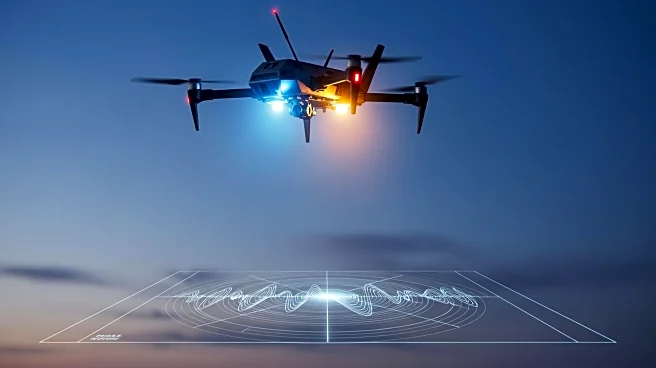
Ukraine's innovative use of drones to counter Iranian-designed Shahed drones has led to a surge in global demand for interceptor drones. Companies like TRL Drones and Tron Future are experiencing increased inquiries from Middle Eastern and European countries
seeking to protect critical infrastructure. The Shahed drones, used by Iran against the U.S. and its allies, pose a significant threat due to their cost-effectiveness and ability to bypass traditional air defenses. Ukrainian firms, such as Wild Hornets and Skyfall, are at the forefront of developing cost-effective countermeasures, using small drones to intercept and neutralize the Shahed threats. Despite the high demand, Ukrainian companies face export restrictions due to wartime laws, although there is interest in controlled exports to support allied nations.
Why It's Important?
The increased demand for interceptor drones highlights the evolving nature of modern warfare, where cost-effective and agile solutions are prioritized over traditional, expensive missile systems. This shift has significant implications for global defense strategies, particularly for countries facing similar drone threats. The ability of Ukrainian firms to innovate under pressure and develop effective counter-drone technologies positions them as key players in the global defense market. This development also underscores the strategic importance of drones in contemporary military operations, influencing defense policies and procurement strategies worldwide.
What's Next?
As the demand for interceptor drones continues to rise, Ukrainian companies may seek to expand their production capabilities and explore controlled export opportunities. The Ukrainian government might consider revising its export restrictions to capitalize on the growing market, potentially boosting its defense industry. Additionally, other countries may increase investments in similar technologies to enhance their defense capabilities against drone threats. The ongoing conflict and the effectiveness of these technologies will likely influence future military strategies and international collaborations in drone defense.
Beyond the Headlines
The surge in demand for interceptor drones also raises ethical and legal questions about the proliferation of military technologies. As more countries acquire these capabilities, there is a risk of escalating drone warfare, potentially leading to unintended consequences in conflict zones. The development and deployment of such technologies must be carefully regulated to prevent misuse and ensure compliance with international laws. Furthermore, the reliance on drones in military operations may prompt discussions on the future of warfare and the role of autonomous systems in combat scenarios.