







What's Happening?
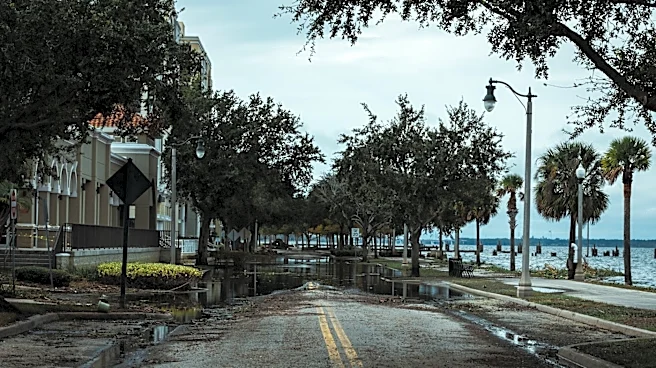
New York City is experiencing a rise in climate-related health threats, including extreme heat, flooding, and vector-borne diseases. According to the New York State Climate Impacts Assessment, the city is expected to see between 14 and 32 days with temperatures
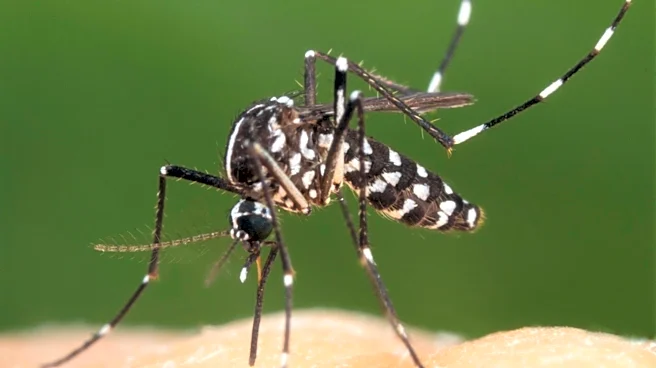
over 95 degrees annually by mid-century, up from about four historically. Increased precipitation and sea level rise are also expected to exacerbate flooding. Climate change is contributing to public health threats by increasing the risk of diseases transmitted by ticks, mosquitoes, and bacteria. The city has been reclassified as a subtropical climate, with milder winters and hot, humid summers. Public health departments are under pressure due to federal cuts to climate and health work, and there is a push for better enforcement of regulations to prevent outbreaks like Legionnaires' disease.
Why It's Important?
The rising temperatures and increased frequency of extreme weather events pose significant challenges for New York City's infrastructure and public health systems. Vulnerable populations, such as low-income residents and communities of color, may face disproportionate impacts due to limited access to resources like air conditioning. The city's ability to adapt to these changes will be crucial in protecting public health and maintaining quality of life. The economic implications include potential increases in healthcare costs and the need for investment in infrastructure to mitigate flooding and heat-related risks.
What's Next?
New York City is working on long-term strategies to address climate change, including reducing greenhouse gas emissions and increasing tree cover. The city is also investing in coastal resilience projects to protect against flooding. Public health initiatives may focus on increasing awareness and preparedness for climate-related health threats. Collaboration with community organizations could help empower residents to take action at the local level. Continued monitoring and research will be essential to understand the evolving impacts of climate change on the city.