
What's Happening?
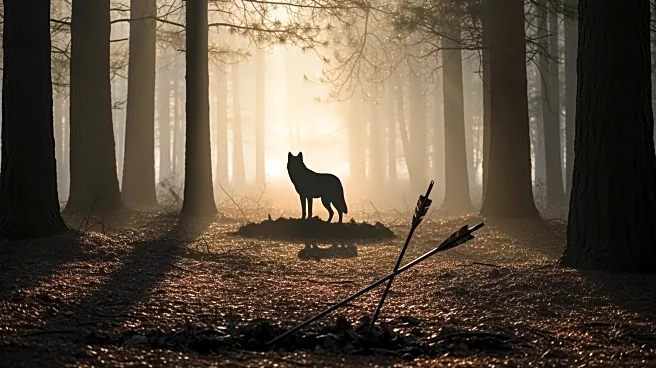
Rangers at Yellowstone National Park are investigating the suspected illegal killing of a well-known female wolf from the Junction Butte pack, one of the park's most famous wolf families. The wolf, identified
as Wolf 1478F, went missing on Christmas Day after a 'mortality signal' was detected from her tracking collar. Despite efforts to locate her body, only the severed collar was found, leading officials to believe she was killed and removed by poachers. The incident occurred in Montana's Wolf Management Unit 313, an area closed to hunting since November 16 due to the legal quota being met. A $31,000 reward has been offered for information leading to the arrest and conviction of those responsible.
Why It's Important?
The suspected poaching of Wolf 1478F highlights ongoing challenges in wildlife conservation, particularly for species like wolves that are often at the center of human-wildlife conflict. The Junction Butte pack is a significant attraction for Yellowstone, drawing tourists and wildlife enthusiasts. The loss of a member could impact the pack's dynamics and the park's ecosystem. This incident underscores the need for stricter enforcement of wildlife protection laws and raises concerns about the effectiveness of current measures to prevent illegal hunting. The substantial reward reflects the seriousness with which authorities and advocacy groups view this case, aiming to deter future poaching activities.
What's Next?
Authorities are likely to intensify their investigation to gather more evidence and identify the perpetrators. The incident may prompt a review of current wildlife management and protection strategies in and around Yellowstone. Increased collaboration between park officials, law enforcement, and conservation groups could be expected to enhance monitoring and enforcement efforts. The case may also lead to discussions on policy changes to strengthen penalties for poaching and improve public awareness about the importance of protecting endangered species.
Beyond the Headlines
The killing of Wolf 1478F raises ethical questions about human interactions with wildlife and the moral responsibility to protect vulnerable species. It also highlights the cultural significance of wolves in American history and their role in maintaining ecological balance. The incident could spark broader debates on wildlife conservation policies and the balance between human interests and environmental stewardship. Long-term, this event may influence public attitudes towards wildlife protection and conservation funding priorities.