



What's Happening?
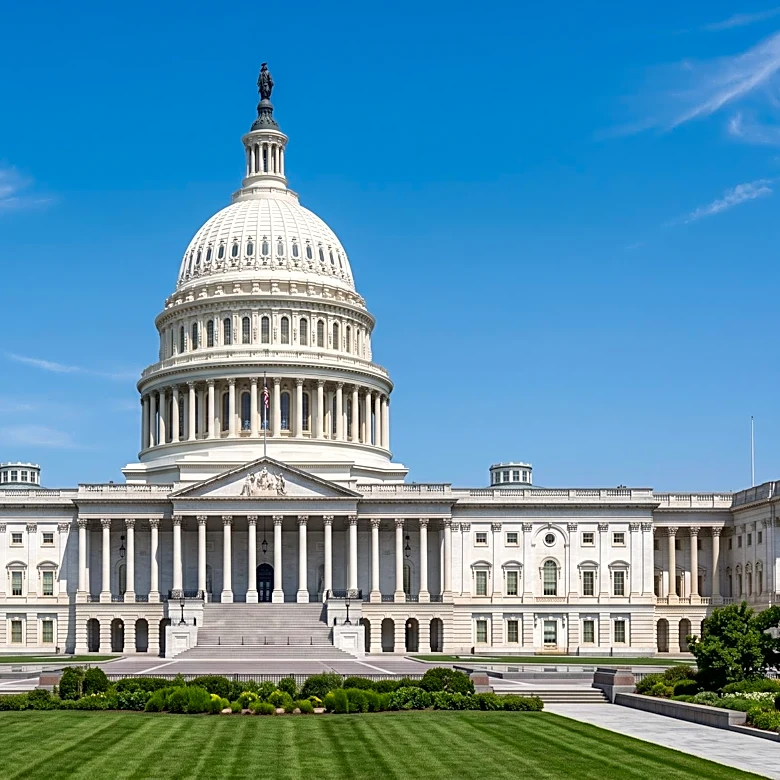
U.S. Representative Paul Tonko of New York has called for the House of Representatives to reconvene and initiate impeachment proceedings against President Trump. This demand follows a social media post by President Trump, which warned that a 'whole civilization
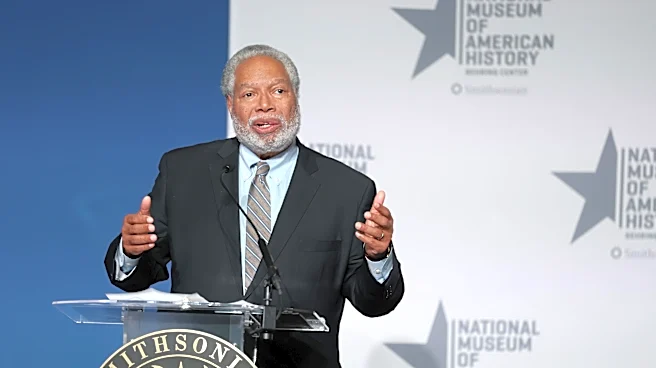
will die tonight' if Tehran fails to meet his latest deadline regarding a deal that includes reopening the Strait of Hormuz. Representative Tonko, who represents New York's 20th Congressional District, stated that the president's post cannot be dismissed as 'mere idle threats.' In addition to this recent call, Tonko has previously taken action regarding presidential directives. He co-chaired the Congressional Museum Caucus and led a letter to the Inspector General of the Smithsonian Institution, requesting an investigation into the impact of President Trump’s Executive Order concerning Smithsonian museums.
Why It's Important?
Representative Tonko's call for impeachment proceedings underscores significant concerns within a segment of Congress regarding the President's use of social media and its potential implications for international relations and national security. The reference to the Strait of Hormuz highlights a critical geopolitical flashpoint, as this waterway is vital for global oil shipments. Any threat to its stability or closure could have severe economic repercussions worldwide, impacting oil prices, trade routes, and international markets. The demand for impeachment reflects a belief that the President's statements could be perceived as reckless or escalatory, potentially endangering U.S. interests and global stability. Furthermore, Tonko's previous actions concerning the Smithsonian Institution indicate a broader pattern of congressional oversight and concern regarding the executive branch's influence on various sectors, including cultural institutions.
What's Next?
The immediate next step would involve other members of the House of Representatives responding to Representative Tonko's call for impeachment proceedings. For impeachment to advance, there would need to be broader support within the House, potentially leading to formal resolutions or investigations by relevant committees. The White House and President Trump are likely to defend the President's statements, framing them as strong diplomatic posturing or necessary warnings. International reactions will also be crucial, particularly from countries with interests in the Strait of Hormuz and those involved in the ongoing negotiations with Iran. The situation could escalate diplomatically or militarily depending on the responses from all parties involved. Domestically, this call for impeachment will likely fuel further political debate and could become a significant issue in upcoming legislative sessions and public discourse.
Beyond the Headlines
This event highlights the evolving nature of presidential communication in the digital age, where social media posts can have immediate and far-reaching international consequences. The debate over whether such statements constitute 'idle threats' or serious policy declarations raises fundamental questions about executive power, accountability, and the interpretation of presidential intent. Ethically, it prompts discussions about the responsibility of leaders in wielding such powerful communication tools. Legally, it could test the boundaries of what constitutes an impeachable offense, particularly when related to foreign policy and national security pronouncements made outside traditional diplomatic channels. Culturally, it reflects a growing polarization in U.S. politics, where actions by the executive branch are often met with strong, immediate calls for oversight or censure from the legislative branch, shaping public perception and trust in government institutions.