








What's Happening?
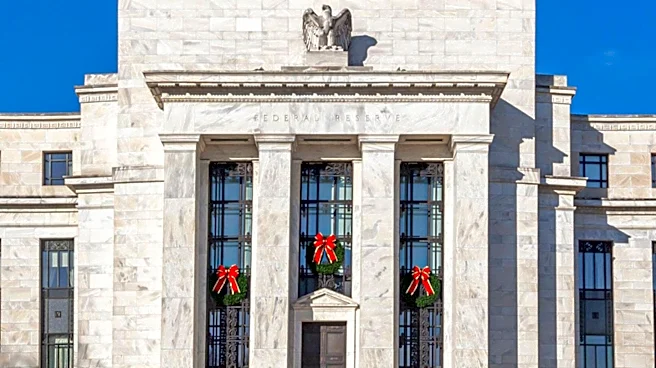
The Federal Reserve has released new educational resources as part of its Account Takeover Fraud Mitigation Toolkit. This expansion aims to help financial institutions and consumers combat the increasing number and complexity of account takeover fraud
incidents. The updated toolkit includes new 'Test Your Knowledge' assessments, videos, and downloadable resources. These additions focus on prevention and detection strategies, exploring how different channels present unique risks and demonstrating the effectiveness of consistent classification using the FraudClassifier and ScamClassifier models. The toolkit also features new modules that walk users through realistic scenarios of how account takeover occurs and provides guidance on protecting customers. Mike Timoney, vice president of payments system improvement at Federal Reserve Financial Services, emphasized the importance of effective prevention and detection across all stages of the account takeover lifecycle to mitigate this persistent threat.
Why It's Important?
Account takeover fraud poses a significant threat to both individual consumers and businesses within the U.S. financial system. The growing sophistication of these scams, fueled by emerging technologies, expanded digital footprints, and access to breached user data, can lead to substantial financial losses. By providing enhanced educational resources, the Federal Reserve is empowering financial institutions to strengthen their defenses, thereby protecting customer assets and maintaining trust in the banking system. For consumers, increased awareness and understanding of these fraud tactics can prevent personal financial devastation. The consistent application of classification models like FraudClassifier and ScamClassifier can improve the industry's ability to identify and respond to fraudulent activities more effectively, potentially reducing the overall impact of financial crime on the U.S. economy.
What's Next?
The Federal Reserve plans to continue collaborating with the payments industry to address the evolving threat of fraud, indicating further updates and learning opportunities will be provided. Financial institutions are expected to integrate these new resources into their fraud prevention and detection training programs for staff and customers. This ongoing education will be crucial as scammers continuously adapt their methods. Consumers should remain vigilant, monitor their transaction activity, and be aware of warning signs to act quickly on suspicious activities. The success of these mitigation efforts will depend on the widespread adoption and consistent application of the strategies outlined in the toolkit by financial entities and the public alike.
Beyond the Headlines
The proliferation of account takeover fraud highlights a broader societal challenge concerning digital security and personal data protection. As more aspects of life move online, the vulnerability of individuals and institutions to cyber threats increases. This situation underscores the ethical responsibility of technology companies and financial institutions to invest in robust security measures and user education. The Federal Reserve's initiative also points to the need for a collective approach to cybersecurity, where collaboration between government agencies, private industry, and the public is essential. The long-term implications could include a shift towards more secure authentication methods, increased regulatory scrutiny on data handling practices, and a greater emphasis on digital literacy to empower individuals against sophisticated online deception.