






What's Happening?
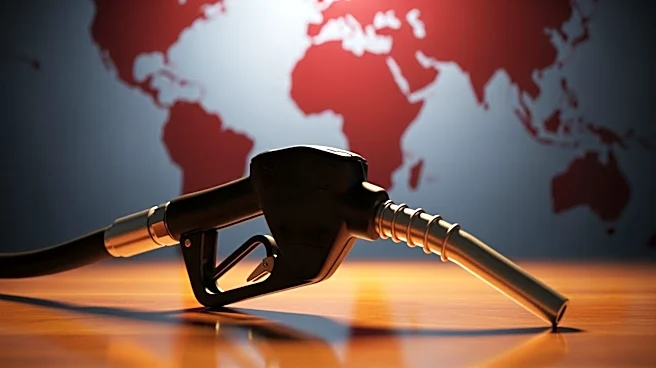
As the conflict with Iran continues to drive up fuel prices, most U.S. states are reluctant to suspend their gas and diesel taxes. The average state gas tax is 32.6 cents per gallon, and the national average gas price recently reached $4.11 per gallon.
Despite the financial strain on consumers, only a few states, such as Georgia, Indiana, and Utah, have temporarily reduced or suspended their gas taxes. Georgia's suspension, signed by Governor Brian Kemp, is expected to save drivers nearly $400 million over 60 days. However, tax policy experts argue that suspending gas taxes is not an effective long-term solution and could negatively impact road maintenance and infrastructure funding.
Why It's Important?
The reluctance to suspend gas taxes highlights the critical role these taxes play in funding transportation infrastructure. Gas taxes are a primary source of revenue for road and bridge maintenance, and suspending them could lead to delays in infrastructure projects and increased road maintenance costs for drivers. Additionally, the suspension of gas taxes may not fully benefit consumers, as some savings could be retained by fuel distributors. The ongoing debate reflects broader concerns about balancing immediate consumer relief with long-term infrastructure needs and fiscal responsibility.
What's Next?
As fuel prices remain high, states may continue to face pressure to provide relief to consumers. However, the potential loss of revenue from gas tax suspensions could force states to explore alternative funding sources for transportation projects. The federal government has not moved to suspend the federal gas tax, and any such proposal would require congressional approval. The situation underscores the complexity of addressing rising fuel costs while maintaining essential infrastructure funding.
Beyond the Headlines
The discussion around gas tax suspensions also raises questions about the sustainability of current transportation funding models. As vehicles become more fuel-efficient and electric vehicles gain popularity, reliance on gas taxes may become increasingly untenable. This situation could prompt policymakers to consider alternative funding mechanisms, such as mileage-based fees or increased investment in public transportation, to ensure the long-term viability of transportation infrastructure funding.