
What's Happening?
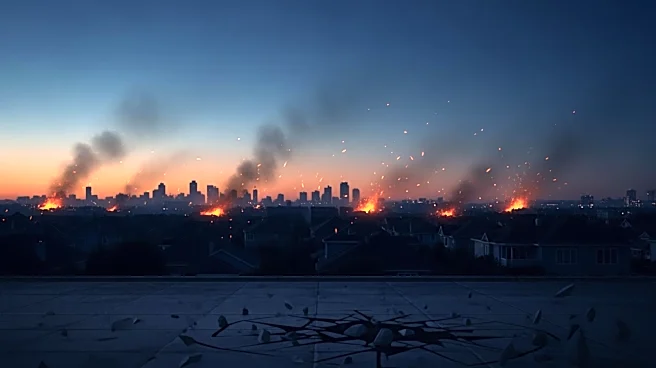
Israeli Prime Minister Benjamin Netanyahu announced that Israel is pausing its military strikes on Iran, emphasizing the country's right to self-defense. This decision follows a series of retaliatory exchanges
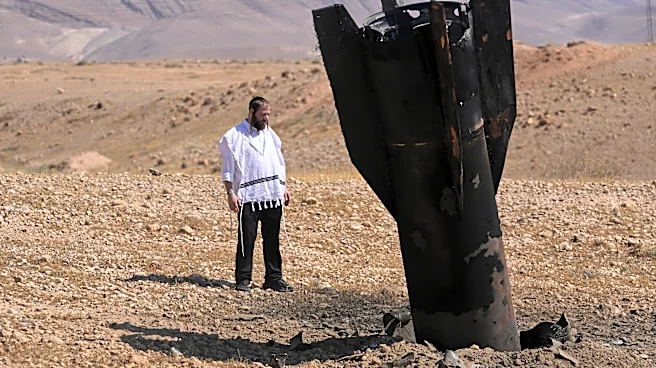
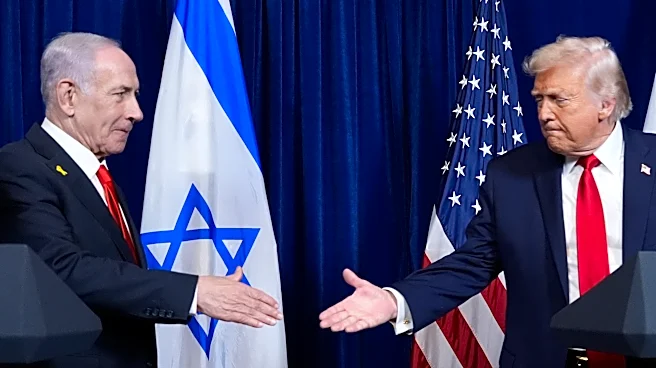
between Israel and Iran, initiated by Hezbollah's attack on northern Israel. In response, Israel targeted Hezbollah in Beirut, prompting Iran to launch ballistic missiles at Israel. Netanyahu communicated with President Trump, who requested Israel to limit its response to avoid further escalation. Despite agreeing to halt attacks, Netanyahu warned that Israel would respond forcefully if Iran resumes aggression.
Why It's Important?
The decision to halt strikes is significant as it reflects the delicate balance Israel must maintain between asserting its right to self-defense and adhering to international diplomatic pressures, particularly from the U.S. The situation underscores the ongoing volatility in the Middle East and the potential for rapid escalation into broader conflict. The U.S. plays a crucial role in mediating these tensions, with President Trump actively involved in preventing further escalation. The outcome of these interactions could influence regional stability and impact U.S. foreign policy in the Middle East.
What's Next?
Future developments depend on Iran's actions and Israel's response. If Iran resumes attacks, Israel has indicated it will retaliate with significant force. The U.S. will likely continue diplomatic efforts to de-escalate tensions and may push for renewed negotiations. The international community will be watching closely, as any escalation could have widespread implications for regional security and global diplomatic relations.