

What's Happening?
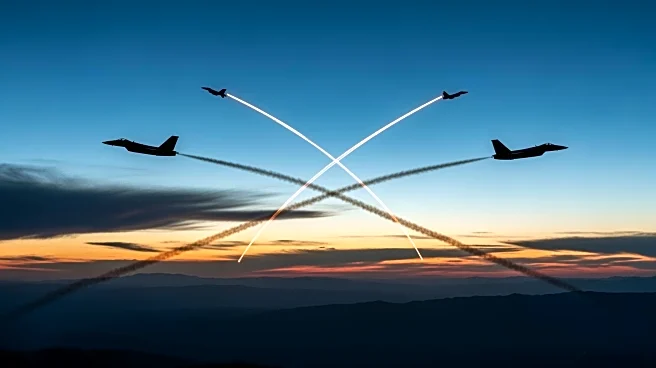
Jordan has confirmed that its air force participated in U.S.-led airstrikes targeting Islamic State (IS) positions in Syria. These strikes were in retaliation for an attack by a Syrian gunman that resulted in the deaths of two U.S. troops and an American
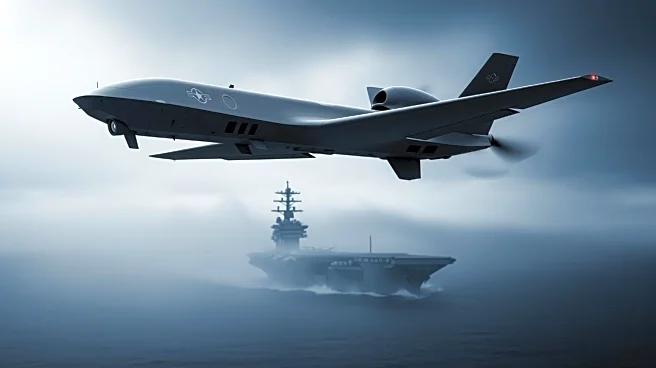
civilian interpreter. The U.S. military launched these strikes on multiple sites in Syria to eliminate IS fighters and weapons. The Jordanian military stated that their air force conducted precise airstrikes on several IS positions in southern Syria. This operation is part of a broader effort by a global coalition, which includes 90 countries, to combat IS. The U.S. Central Command reported that more than 70 targets were struck across central Syria with the support of Jordanian fighter aircraft. Since the attack on December 13, U.S. and partner forces have conducted 10 operations in Syria and Iraq, resulting in the deaths or detention of 23 terrorist operatives.
Why It's Important?
The involvement of Jordan in these airstrikes underscores the international dimension of the fight against IS and highlights the ongoing threat posed by the group in the region. The strikes are a response to the resurgence of IS activities in southern Syria, which poses a threat to regional stability and security. The U.S. and its allies are committed to preventing extremist groups from using these areas as launching pads for further attacks. The operation also reflects the U.S.'s continued military engagement in the Middle East, despite previous announcements of troop withdrawals. The collaboration between the U.S. and Jordan demonstrates the importance of international partnerships in addressing global security challenges.
What's Next?
The U.S. and its coalition partners are likely to continue their military operations against IS in Syria and Iraq to prevent the group from regrouping and rebuilding its capabilities. The strikes may provoke reactions from IS, potentially leading to further attacks in the region. The U.S. military and its allies will need to remain vigilant and prepared for any retaliatory actions by IS. Additionally, the international community may increase diplomatic efforts to stabilize the region and support the Syrian interim government led by Ahmad al-Sharaa, who has expressed support for the U.S. strikes.