


What's Happening?
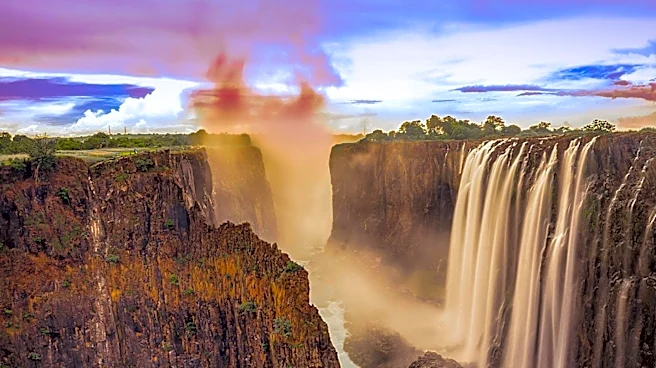
Devil's Pool at Victoria Falls is identified as a genuinely dangerous tourist attraction, despite its allure for visitors seeking unique photo opportunities. Located at the lip of one of the world's largest waterfalls, it allows swimming within arm's
reach of a 300-foot drop, with only a submerged rock shelf and controlled currents providing a barrier. While local operators state that no fatalities have occurred on organized tours, minor accidents on slippery rocks are acknowledged. The pool is only accessible during a limited window each year, typically closed from January through August when water flow is dangerously high. The site gained notoriety from a 2009 tragedy where a South African tour guide died while rescuing a client. Local tourism industry voices express concern over the pressure from social media, which encourages visitors to take risks for viral content, often disregarding safety warnings and the precarious nature of the location.
Why It's Important?
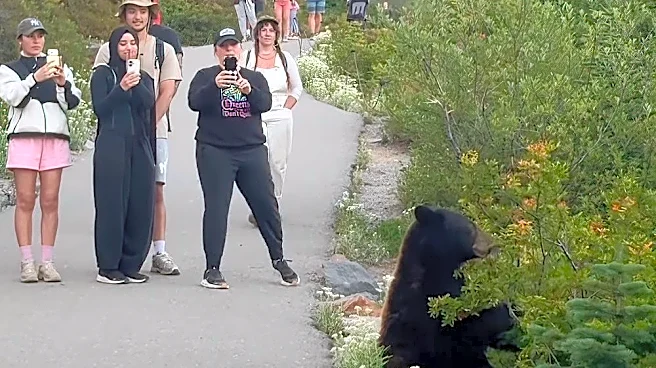
The persistent danger at Devil's Pool highlights a critical issue in adventure tourism: the balance between thrill-seeking experiences and visitor safety. The influence of social media in driving tourists to precarious locations for 'viral' content often overrides safety warnings, putting individuals at severe risk and challenging local authorities and tour operators. This situation can lead to increased rescue operations, potential legal liabilities for tourism providers, and a negative perception of the destination if serious incidents occur. For the tourism industry, it underscores the need for stricter enforcement of safety regulations, clearer communication of risks, and potentially, a re-evaluation of attractions that inherently pose extreme danger, especially when social media trends amplify risky behavior. The ongoing challenge is to manage tourist expectations while ensuring their well-being in naturally hazardous environments.
What's Next?
Authorities and tour operators at Victoria Falls will likely continue to grapple with managing the risks associated with Devil's Pool. This may involve reinforcing existing safety protocols, increasing the visibility of warning signs, and potentially implementing more stringent control measures for access. There could be a push for educational campaigns aimed at tourists, emphasizing responsible tourism and the dangers of prioritizing social media content over personal safety. Local guides will continue to play a crucial role in enforcing rules and advising visitors. The ongoing debate about the responsibility of social media platforms in promoting risky behaviors at tourist sites may also intensify, potentially leading to broader discussions on ethical content creation and consumption in the travel industry.
Beyond the Headlines
The situation at Devil's Pool reflects a broader societal trend where the pursuit of unique, shareable experiences often overshadows common sense and safety. This phenomenon, driven by the digital age, raises ethical questions about the responsibility of individuals, content creators, and platforms in promoting potentially dangerous activities. It also highlights the tension between preserving natural attractions in their raw form and making them accessible to tourists safely. The continuous struggle to keep visitors safe at such sites points to a need for a cultural shift in how travel experiences are valued and shared, moving away from extreme risk-taking towards appreciation of natural beauty within safe boundaries. This challenge extends beyond Victoria Falls to numerous other dangerous tourist spots globally, indicating a systemic issue in modern tourism.