




What's Happening?
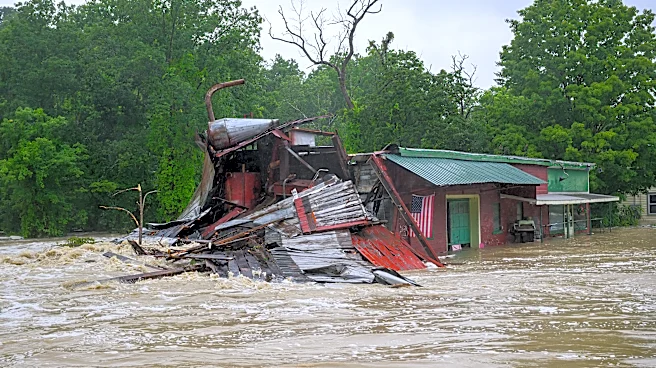
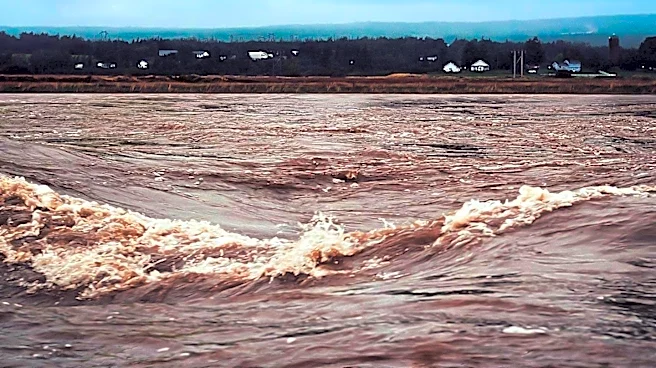
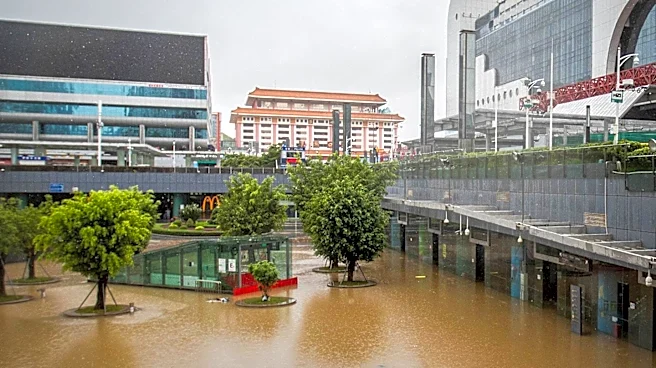
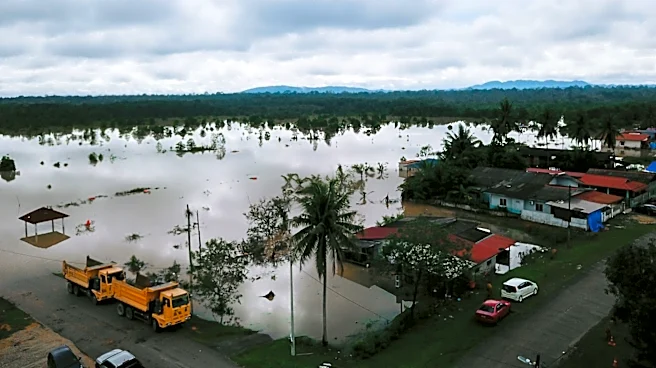
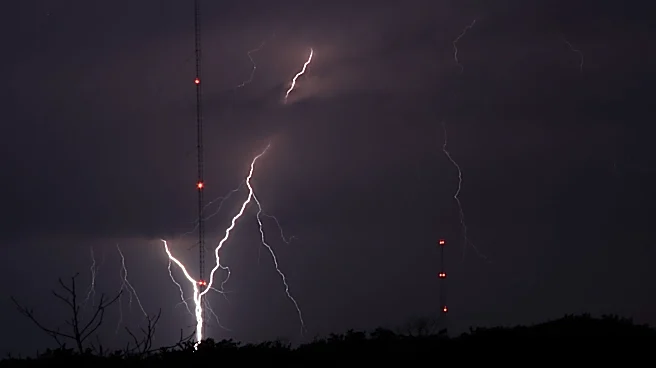
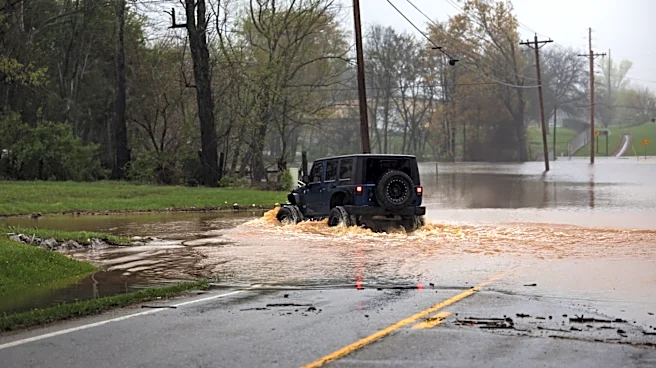
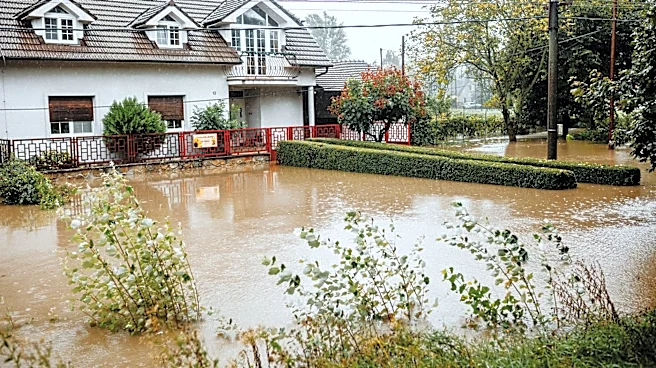
The Capital Region of New York is recovering from record-setting rainfall that caused extensive flooding, road closures, and property damage. Albany recorded 5.45 inches of rain in one day, the second-highest on record, leading to emergency declarations
and water rescues. A historic mill in Castleton-on-Hudson collapsed due to the storm, and several communities issued boil water advisories. Emergency services responded to hundreds of calls, and the American Red Cross opened shelters for displaced residents. The weather system responsible for the deluge was an unusually strong upper-level low-pressure system.
Why It's Important?
The severe weather event highlights the vulnerability of infrastructure and communities to extreme weather, which is becoming more frequent due to climate change. The damage to roads, homes, and historical structures underscores the need for improved flood management and emergency preparedness. The economic impact of the storm, including repair costs and business disruptions, will be significant. The event also raises awareness about the importance of resilient infrastructure and the role of emergency services in responding to natural disasters.
What's Next?
As cleanup efforts continue, local governments and emergency services are assessing the damage and planning repairs. The state of emergency remains in effect in some areas, and further weather-related disruptions are possible. Authorities are likely to review and update emergency response plans and infrastructure resilience strategies. The incident may prompt discussions on climate adaptation measures and funding for infrastructure improvements to better withstand future extreme weather events.