
What's Happening?
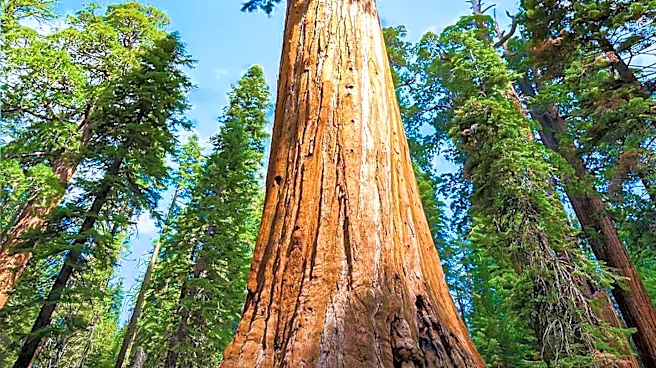
Mount Tamalpais State Park, located just north of San Francisco’s Golden Gate Bridge in Marin County, offers diverse natural landscapes and recreational activities. The park features redwood forests, oak
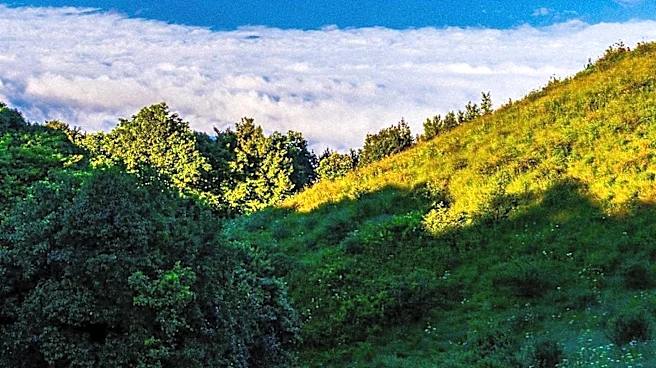
woodlands, open grasslands, and chaparral, with elevations providing expansive views. Vistas from the upper mountain include the Farallon Islands, Marin County hills, San Francisco Bay and City, the East Bay, and Mount Diablo. On clear days, the snow-covered Sierra Nevada Mountain Range, 150 miles away, can be seen. The park is open from 7 a.m. to sunset, with parking fees at East Peak, Pantoll, and Bootjack areas. Credit cards are accepted at Pantoll during business hours, while cash or check self-registration is available at East Peak and Bootjack. The park provides opportunities for hiking, picnicking, and wildlife watching. Volunteers at the East Peak Visitor Center offer information and merchandise, and the Gravity Car Barn shares the history of the Mount Tamalpais Scenic Railway. The Mountain Theater hosts outdoor plays and astronomy programs. Camping options include first-come/first-serve sites at Pantoll or Bootjack Campgrounds, and reservable group campsites or rustic cabins at Alice Eastwood Group Camp and Steep Ravine Cabins and Environmental Campground.
Why It's Important?
Mount Tamalpais State Park serves as a vital natural and recreational resource for the San Francisco Bay Area, offering residents and visitors access to diverse ecosystems and outdoor activities. Its proximity to a major metropolitan area makes it a crucial green space for urban populations, promoting physical well-being and mental rejuvenation. The park's role in preserving redwood forests and other native habitats contributes to regional biodiversity and ecological health. The historical elements, such as the Gravity Car Barn, connect visitors to the area's past, enriching the cultural experience. Furthermore, the park's stunning vistas and recreational offerings support local tourism, contributing to the regional economy through visitor spending on services and amenities. The availability of camping and group facilities also fosters community engagement with nature, providing educational opportunities and promoting environmental stewardship among various age groups.
What's Next?
Visitors planning to visit Mount Tamalpais State Park are advised to arrive early, especially on weekends and holidays, to avoid heavy traffic. An alternative transportation option is the West Marin Stage Coach. The park operates from 7 a.m. to sunset, and vehicles parked after hours may be subject to fines. Parking fees apply at East Peak, Pantoll, and Bootjack, with specific payment methods for each location. Volunteers at the East Peak Visitor Center will continue to provide information and services on most weekends. The Mountain Theater will proceed with its schedule of outdoor plays and astronomy programs. Camping facilities, including first-come/first-serve and reservable options, will remain available. These operational details ensure continued access and enjoyment of the park's amenities, while also managing visitor flow and preserving the natural environment.
Beyond the Headlines
Mount Tamalpais State Park embodies the broader American tradition of preserving natural landscapes for public enjoyment and conservation. Its designation as a state park reflects a commitment to protecting significant ecological and scenic areas from development. The park's diverse ecosystems, from redwood forests to chaparral, highlight the rich biodiversity of California and the importance of conservation efforts in a rapidly urbanizing state. The mention of Jack Kerouac's 'The Dharma Bums' in connection with Mount Tamalpais underscores the park's cultural significance as an inspiration for artists and writers, linking it to a broader narrative of American literature and the appreciation of wilderness. The park also serves as a living laboratory for environmental education, fostering an understanding of natural processes and the impact of human activity on the environment. Its role as a community hub for outdoor activities further reinforces the American value of healthy living and connection to nature.