







What's Happening?
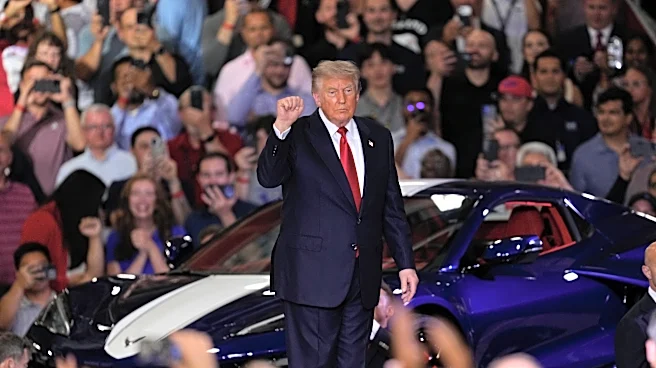
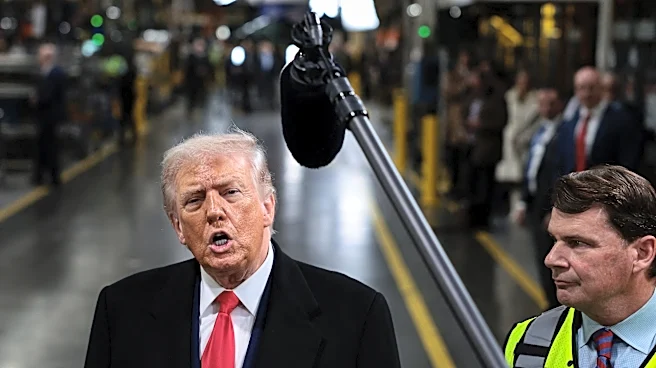
President Trump has implemented new tariffs on Canadian products, escalating tensions between the U.S. and Canada. The tariffs, which reach up to 50% on certain Canadian exports, are seen as a response to Canadian trade practices. This move has particularly
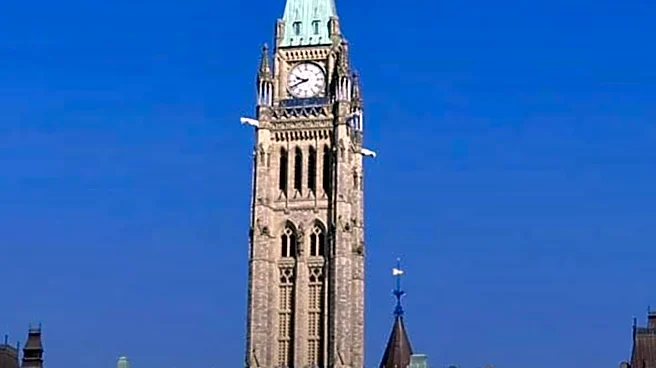
affected Ontario and Quebec, regions heavily reliant on manufacturing. The tariffs have sparked a fragmented response within Canada, with some provinces advocating for confrontation while others seek shared interests with the U.S. Prime Minister Mark Carney, who replaced Justin Trudeau, faces pressure to retaliate against these tariffs, as caving to U.S. demands is politically toxic in Canada.
Why It's Important?
The tariffs imposed by President Trump could have significant economic and political repercussions. For Canada, which is heavily dependent on the U.S. for trade, these tariffs threaten to disrupt regional economies and exacerbate internal political divisions. The situation underscores the vulnerability of Canada's economy to U.S. policy changes and highlights the challenges of maintaining a unified national response. For the U.S., the tariffs could strain diplomatic relations with a key ally and trading partner, potentially affecting broader geopolitical dynamics.
What's Next?
Canada is expected to consider retaliatory measures against the U.S. tariffs. Prime Minister Carney must navigate domestic political pressures while managing international relations. The situation could lead to further negotiations or trade disputes between the two countries. Additionally, the upcoming referendum in Alberta on independence could be influenced by these economic tensions, potentially altering Canada's political landscape.