






What's Happening?
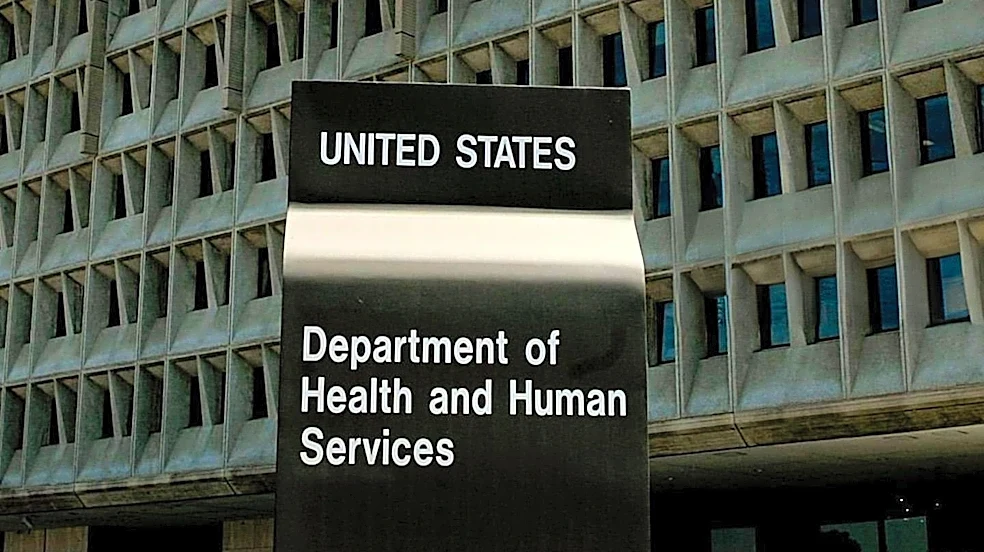
The Department of Justice (DOJ) and the Department of Health and Human Services Office of Inspector General (HHS-OIG) have introduced a new policy to streamline the voluntary self-disclosure of potential criminal healthcare fraud. Previously, organizations
discovering fraud within their operations faced the complexity of reporting to multiple agencies, which could involve criminal, civil, or administrative repercussions. The updated directive now instructs healthcare organizations to report potential criminal fraud solely to the DOJ. This change aims to remove bureaucratic barriers that might deter organizations from disclosing fraud. Both agencies have existing policies that offer reduced penalties for voluntary self-disclosure of previously unknown fraud. For the DOJ, this could lead to declined prosecution of corporate criminal conduct, while HHS-OIG may reduce civil monetary damages, expedite resolutions, and waive the need for a corporate integrity agreement. Assistant Attorney General Colin M. McDonald emphasized that the new policy establishes a single point of contact: the DOJ’s Fraud Division, ensuring clear and predictable benefits for companies that cooperate fully and remedy misconduct.
Why It's Important?
This streamlined self-disclosure process is significant for the U.S. healthcare industry as it aims to encourage greater transparency and accountability in combating fraud. By simplifying the reporting mechanism, the DOJ and HHS-OIG hope to increase the number of voluntary disclosures, leading to earlier detection and resolution of fraudulent activities. Healthcare organizations stand to gain from clearer guidelines and potentially reduced penalties, fostering an environment where compliance is more readily pursued. Conversely, organizations that attempt to conceal fraud will face more severe consequences, as highlighted by Assistant Attorney General McDonald. The policy also underscores the government's continued focus on healthcare fraud, with the DOJ having launched its National Fraud Enforcement Division in April, which includes a Health Care Fraud Section. This initiative could lead to a more efficient allocation of enforcement resources and a stronger deterrent against fraudulent practices across the healthcare sector, ultimately protecting taxpayer dollars and ensuring the integrity of healthcare programs.
What's Next?
Healthcare organizations will need to adapt their internal compliance and reporting procedures to align with the new directive, ensuring that any potential criminal fraud is reported directly to the DOJ. Legal firms, such as Womble Bond Dickinson, advise that while the process is streamlined, companies must still conduct thorough internal investigations that meet the requirements of both the DOJ and HHS-OIG. This includes full cooperation, identification of responsible individuals, appropriate remediation, and quantification of damages. The policy's impact on False Claims Act liabilities remains a point of discussion, with some legal experts noting a 'significant gap' in its exclusion from the new directive. Future developments may include further clarifications or expansions of this policy to address such gaps, potentially integrating the False Claims Act and its enforcement teams. The DOJ and other enforcement agencies are expected to continue their focus on healthcare fraud, with ongoing investigations and actions likely to be highlighted in public announcements.
Beyond the Headlines
The new self-disclosure policy reflects a broader strategic shift by U.S. enforcement agencies to enhance efficiency and effectiveness in combating complex financial crimes. By centralizing the reporting of criminal healthcare fraud, the government is not only simplifying the process for organizations but also potentially gaining a more comprehensive view of fraud trends and patterns. This could lead to the development of more targeted enforcement strategies and preventative measures. The emphasis on 'clear and predictable' benefits for cooperation also highlights a move towards incentivizing proactive compliance rather than solely relying on punitive measures. However, the distinction between criminal, civil, and administrative fraud, and the specific exclusion of the False Claims Act from this streamlined process, suggests ongoing complexities in the legal framework. This could lead to continued challenges for organizations in navigating the full spectrum of fraud-related liabilities, potentially necessitating further legislative or regulatory adjustments to achieve a truly unified approach to healthcare fraud enforcement.