



What's Happening?
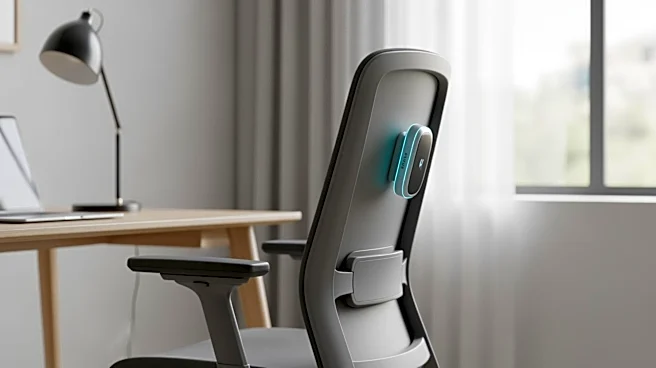
The German startup Deep Care has developed a new device named Isa, designed to help individuals maintain proper posture while working from home. The Isa device addresses common challenges faced by remote workers, such as back pain from prolonged sitting
and the tendency to forget to move. Unlike traditional posture-monitoring apps, Isa does not require a camera or internet connection, which enhances user privacy. It features a 5.5-inch IPS HD screen and uses a Time-of-Flight (ToF) 3D sensor to monitor posture and movements. Additionally, the device analyzes environmental factors like room lighting, noise, temperature, humidity, and CO₂ levels. The screen displays a special ring that changes color to indicate posture status, prompting users to adjust their sitting position. If inactivity persists, Isa suggests light exercises to encourage movement.
Why It's Important?
The introduction of the Isa device is significant as it addresses the growing need for ergonomic solutions in the remote work environment. With more people working from home, maintaining physical health and comfort has become a priority. The device's ability to function without a camera or internet connection is particularly appealing to privacy-conscious users. By providing real-time feedback on posture and environmental conditions, Isa can help reduce the risk of musculoskeletal issues and improve overall well-being. This innovation reflects a broader trend towards integrating health-focused technology into everyday life, potentially influencing future developments in smart home and health monitoring devices.
What's Next?
As the Isa device gains traction, it may prompt further advancements in ergonomic technology for remote workers. The current limitation to European and US time zones suggests potential updates to accommodate a global user base. Additionally, the success of Isa could inspire other companies to develop similar products, leading to increased competition and innovation in the market. Stakeholders such as employers and health professionals might advocate for the adoption of such devices to promote employee health and productivity. The ongoing shift towards remote work could see Isa and similar technologies becoming standard tools in home offices.