






What's Happening?
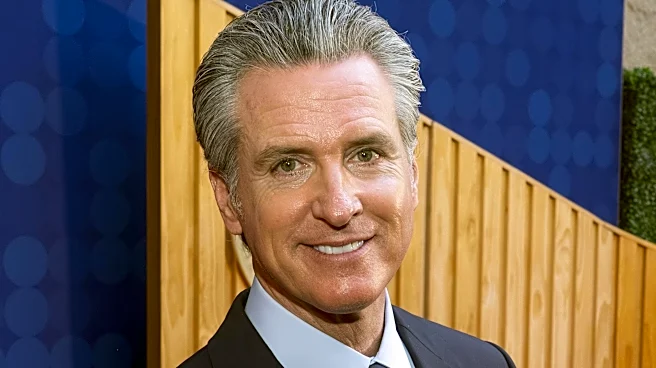
California Governor Gavin Newsom has called for the elimination of the 'buy, borrow, die' tax strategy, which he describes as a loophole benefiting the ultra-rich. This strategy involves wealthy individuals buying appreciating assets, borrowing against
them to fund their lifestyles without triggering income taxes, and passing them on to heirs with a 'stepped-up tax basis' upon death, thus avoiding capital gains taxes. Newsom argues that this creates a 'tax-free lifestyle loan' for the richest Americans and has urged Congress to close this loophole. However, a recent analysis by the Tax Policy Center suggests that this strategy is not widely used among the nation's wealthiest families, accounting for only 1% to 2% of their economic income.
Why It's Important?
The proposal to ban the 'buy, borrow, die' strategy highlights ongoing debates about wealth inequality and tax fairness in the United States. If implemented, such a ban could lead to increased tax revenues from the ultra-rich, potentially funding public services or reducing the national deficit. However, critics argue that the strategy's limited use may not significantly impact overall tax revenues. Additionally, the proposal could face legal challenges and resistance from those who benefit from the current tax system. The discussion also underscores broader calls for tax reforms targeting unrealized gains and the concentration of wealth among billionaires.
What's Next?
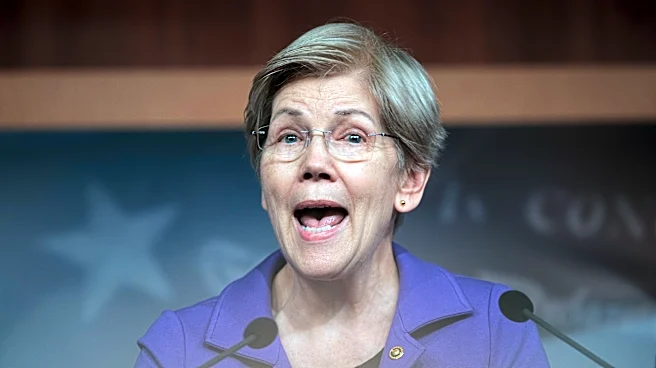
Governor Newsom's proposal may prompt further legislative discussions at both state and federal levels. While some states have already implemented taxes targeting the wealthy, Newsom advocates for a federal approach to prevent wealthy individuals from relocating to avoid state taxes. The proposal aligns with similar efforts by lawmakers like Senator Elizabeth Warren, who has introduced a wealth tax bill. However, any federal legislation would likely face significant hurdles in Congress, including potential constitutional challenges. The outcome of these discussions could influence future tax policy and the broader debate on economic inequality.