


What's Happening?
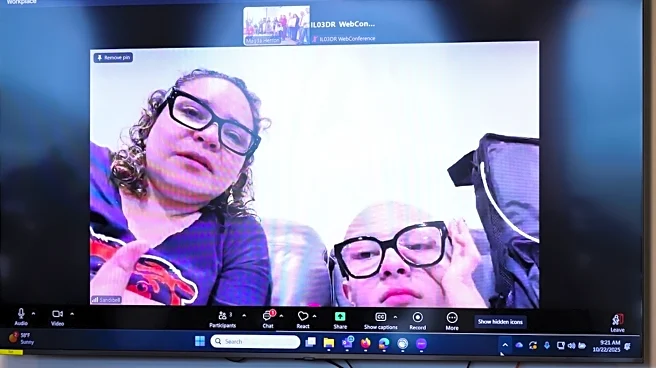
A Chicago woman, Marimar Martinez, who was shot five times by a Customs and Border Protection (CBP) agent, is advocating for the public release of evidence related to the incident. This follows the dismissal of federal charges against her. The shooting
occurred on October 4, 2025, during Operation Midway Blitz in Chicago's Brighton Park neighborhood. Martinez's attorney, Chris Parente, has filed a motion to lift a protective order that restricts the disclosure of body camera footage, electronic communications, and photographs. Parente argues that releasing these materials is crucial to counter what he describes as a government-led misinformation campaign and to ensure transparency. The incident has sparked public interest and debate, particularly concerning the use of lethal force by DHS agents.
Why It's Important?
The case highlights significant issues regarding law enforcement transparency and accountability, especially in incidents involving the use of lethal force. The public release of evidence could influence public perception and trust in government agencies, particularly the Department of Homeland Security. It also raises questions about the balance between protecting the integrity of legal proceedings and the public's right to information. The outcome of this case could set a precedent for how similar cases are handled in the future, potentially impacting policies on evidence disclosure and law enforcement practices.
What's Next?
The court's decision on whether to lift the protective order will be pivotal. If granted, it could lead to increased scrutiny of the actions taken by the CBP and other law enforcement agencies. The case may also prompt discussions among policymakers about the need for reforms in how evidence is managed and disclosed in cases involving law enforcement. Additionally, the public and media attention could influence future legal strategies and government responses in similar situations.
Beyond the Headlines
The case underscores broader societal issues, such as the potential for racial and ethnic biases in law enforcement practices. It also highlights the challenges individuals face in seeking justice and accountability when involved in incidents with federal agencies. The narrative of a 'public relations war' suggests a deeper conflict between individual rights and government narratives, which could have long-term implications for civil liberties and public trust in government institutions.