


What's Happening?
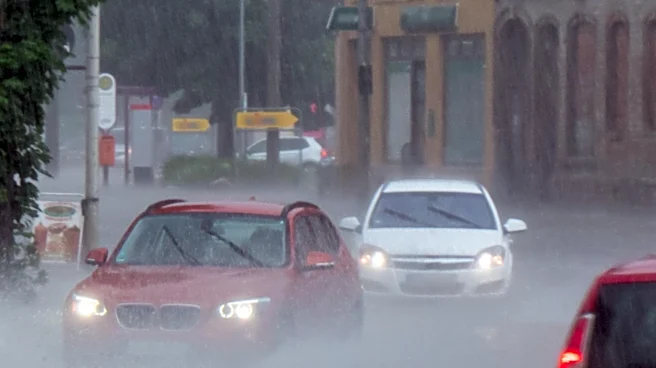
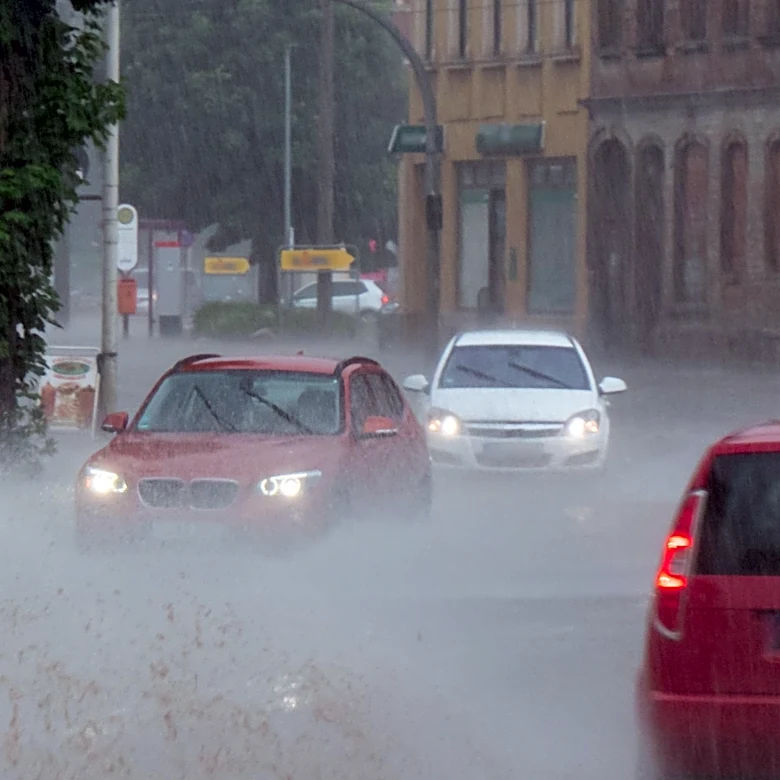
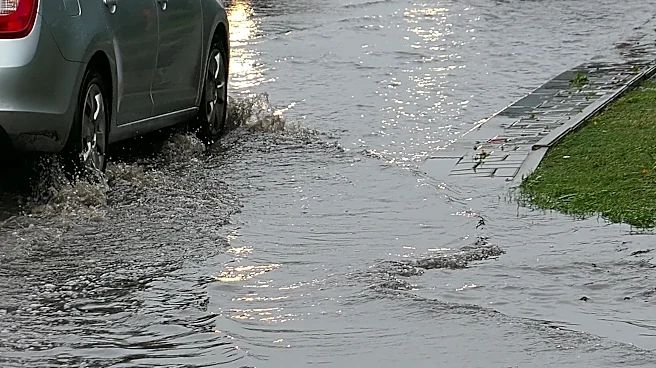
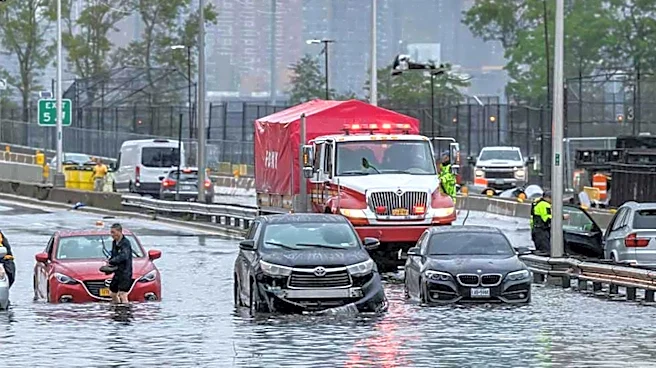
Heavy rainfall has led to significant flooding across several communities in Connecticut, resulting in submerged streets, road closures, and emergency rescues. Fairfield experienced widespread flooding, with water rushing down streets and inundating low-lying
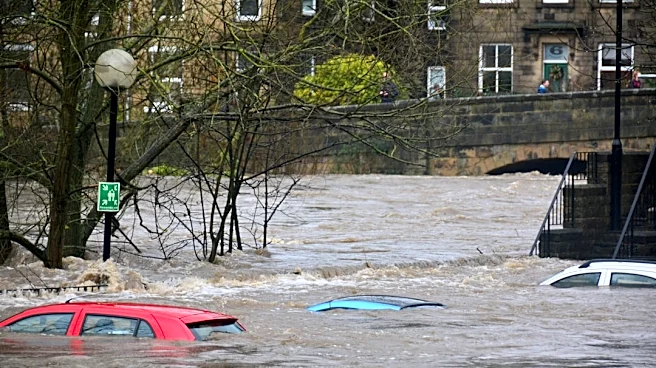
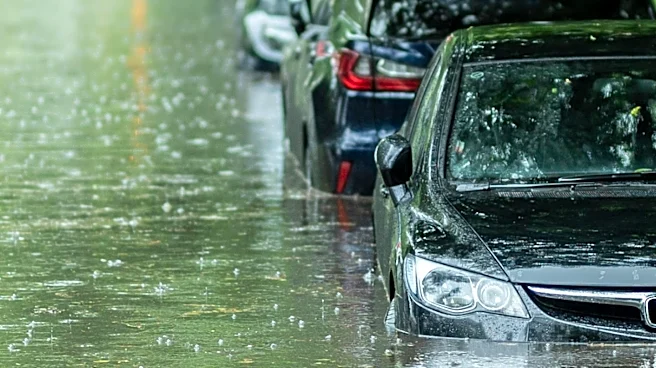
areas, including the outdoor dining section of BE Chocolat at Greenfield Hill Commons. Residents on Marlborough Terrace also reported being affected by the flooding. A video from a News 12 viewer depicted a flooded backyard on Melville Avenue, indicating similar issues for many in the vicinity. News 12 Reporter Greg Thompson documented cars with water up to their windows in Downtown Darien, where some roads were subsequently shut down due to high water levels. Norwalk also saw numerous roads underwater, with photos from the Norwalk Police Department showing streets submerged during the peak of the storm, including a car under an underpass with water reaching its headlights. The Westport Fire Department shared video footage of flooding in the Post Road and Imperial Avenue area, and Westport police cautioned residents that water depths on some roads were greater than they appeared. Emergency responders were called to rescue 13 individuals trapped in vehicles by floodwaters.
Why It's Important?
The widespread flooding in Connecticut carries significant implications for local infrastructure, public safety, and daily life. Road closures in areas like Darien and Norwalk disrupt commuter routes and local commerce, potentially leading to economic losses for businesses reliant on accessibility. The need for emergency rescues, with 13 individuals saved from vehicles in Westport alone, highlights the immediate danger posed to residents and strains emergency services. The damage to private property, such as flooded backyards and outdoor dining areas, represents direct financial burdens for homeowners and businesses. Furthermore, the police advisories against driving through standing water underscore a critical public safety message, as such actions can lead to vehicle damage, entrapment, and even fatalities. The recurring nature of such weather events also points to broader challenges in urban planning and drainage infrastructure, suggesting a need for long-term solutions to mitigate the impact of heavy rainfall on communities.
What's Next?
Following the immediate impact of the heavy rainfall, authorities will likely focus on assessing the full extent of the damage to infrastructure and private property. Road closures will remain in effect until water recedes and safety inspections are completed, which could continue to affect local traffic and business operations. Emergency services will continue to monitor flood-prone areas and respond to any lingering incidents or rescue calls. Local government agencies will likely begin evaluating the effectiveness of current drainage systems and emergency response protocols, potentially leading to discussions about infrastructure improvements or updated flood preparedness plans. Residents will be advised to document property damage for insurance claims and to remain vigilant for any further weather advisories. The event may also prompt public awareness campaigns reinforcing the dangers of driving through floodwaters and encouraging residents to develop personal emergency plans.
Beyond the Headlines
The recent flooding in Connecticut underscores a growing challenge faced by many U.S. communities: the increasing frequency and intensity of extreme weather events. Beyond the immediate disruptions, these incidents highlight the vulnerability of existing infrastructure to changing climate patterns. The economic burden extends beyond direct property damage to include indirect costs such as lost productivity, increased insurance premiums, and the long-term strain on municipal budgets for repairs and upgrades. Ethically, there's a growing debate about equitable resource allocation for flood mitigation, particularly in historically underserved communities that may be more susceptible to such impacts. Culturally, these events can foster a stronger sense of community resilience and mutual aid, but also expose societal divisions in preparedness and recovery capabilities. The long-term shift could involve a re-evaluation of urban development practices, emphasizing green infrastructure and sustainable land use to better manage stormwater runoff and protect vulnerable populations.