





What's Happening?
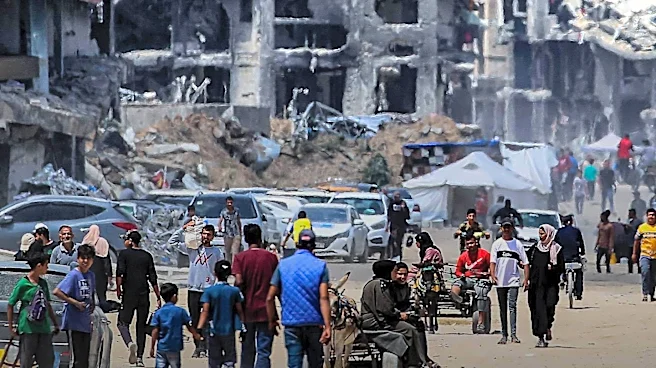
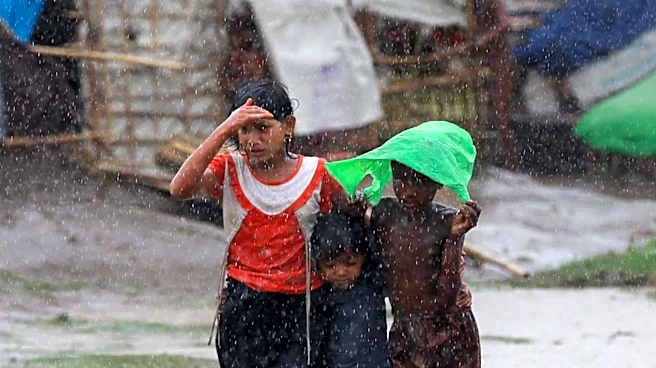
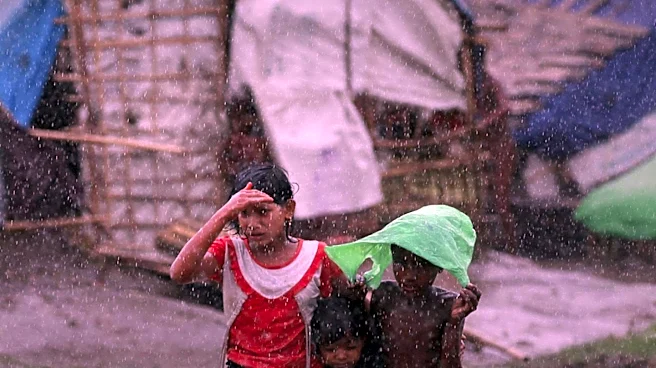
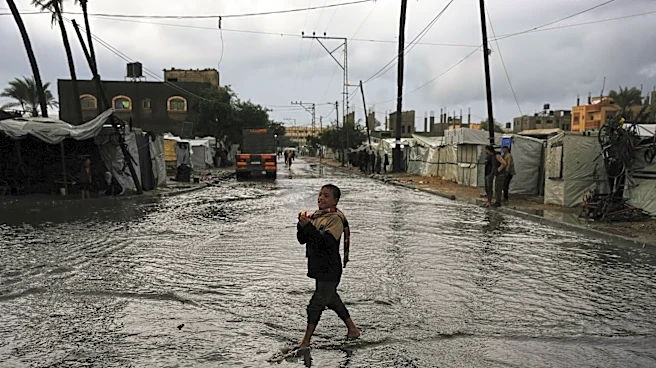
The United Nations Office for the Coordination of Humanitarian Affairs (OCHA) has issued a warning regarding the immediate risk faced by displaced families in the Gaza Strip due to heavy rains. Shelters across the region have been flooded, impacting families living
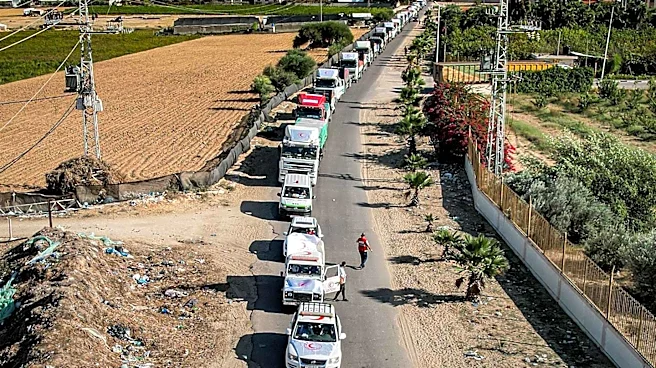
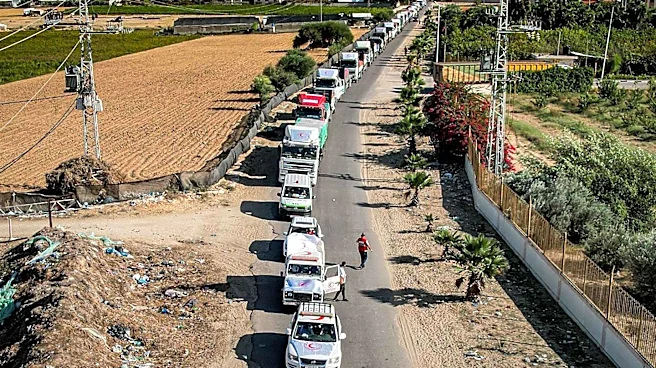
in flood-prone areas and damaged buildings. OCHA stated that most of Gaza's 2.1 million residents remain displaced, with many residing in deteriorating tents that offer minimal protection against worsening weather conditions. The agency expressed deep concern for those already affected and those most exposed to the deteriorating situation. Humanitarian organizations are distributing emergency supplies, but available stocks are insufficient to meet the escalating needs. OCHA highlighted that months of funding shortfalls and restrictions have severely hampered preparation efforts, calling for the immediate entry of winter supplies, heavy machinery, engine oil, and spare parts to maintain humanitarian vehicles and generators. Additional financial support is urgently needed to sustain operations and protect vulnerable families.
Why It's Important?
This situation underscores a critical humanitarian crisis in Gaza, where a large displaced population is now facing severe weather conditions with inadequate shelter and resources. The flooding of tents and shelters not only exacerbates the immediate living conditions but also increases health risks, including the spread of diseases, especially among vulnerable populations like children and the elderly. The inability of humanitarian organizations to adequately prepare due to funding shortfalls and restrictions highlights systemic challenges in delivering aid to the region. This could lead to a further deterioration of public health and safety, potentially increasing mortality rates and long-term suffering for the affected population. The call for immediate entry of essential supplies and financial support indicates the dire need for international intervention to prevent a more catastrophic humanitarian outcome.
What's Next?
In the immediate future, humanitarian organizations will continue efforts to distribute emergency supplies and provide assistance, though their capacity remains limited. OCHA's urgent appeal for winter supplies, heavy machinery, and financial support will likely intensify calls for international donors and relevant authorities to facilitate aid entry and increase funding. The ongoing heavy rains are expected to continue posing significant challenges, potentially leading to more displacement and increased health emergencies. Stakeholders, including the UN and various NGOs, will likely continue to advocate for unrestricted access for humanitarian aid and resources into Gaza. The situation may also prompt further discussions and negotiations among international bodies and regional powers regarding humanitarian corridors and sustained support for the displaced population.
Beyond the Headlines
The crisis in Gaza extends beyond immediate weather impacts, revealing deeper issues of long-term displacement, inadequate infrastructure, and persistent humanitarian access challenges. The reliance on temporary shelters like tents, which are vulnerable to weather extremes, points to a lack of durable solutions for displaced populations. The repeated calls for funding and access highlight the political and logistical complexities that impede effective humanitarian response in conflict-affected areas. This situation could also trigger broader discussions on the responsibilities of international actors and governing authorities to ensure the protection and well-being of civilians in protracted crises. The long-term implications include potential increases in chronic health issues, educational disruptions for children, and sustained psychological trauma for those repeatedly displaced and exposed to harsh living conditions.