






What's Happening?
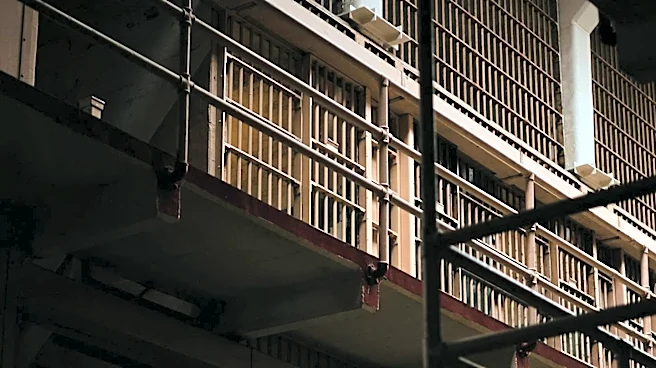
The Summit County Jail has received a perfect score in its annual inspection by the Ohio Department of Rehabilitation and Correction (ODRC) for the second consecutive year. Inspectors determined that the facility met 100% of standards during the October
inspection. This achievement marks the first time in the jail's history, based on records kept by the Sheriff's Office and the ODRC, that it has attained a perfect score for two consecutive years. Sheriff Kandy Fatheree praised the professionalism, hard work, and dedication of the jail staff for making these results possible. The ODRC's Bureau of Adult Detention conducts annual inspections of all county and municipal jails in Ohio, evaluating nearly 200 standards across various operational aspects, including inmate reception, security, housing, sanitation, medical and mental health services, and staff training. The inspector's report noted that the jail demonstrated a consistent level of professionalism and maintained a safe, sanitary, and secure facility.
Why It's Important?
This consecutive perfect score for the Summit County Jail is a significant indicator of high operational standards and effective management within the U.S. correctional system. Achieving 100% compliance with nearly 200 state standards reflects a strong commitment to inmate welfare, staff professionalism, and overall facility integrity. This accomplishment can enhance public trust in the local justice system and potentially serve as a model for other correctional facilities in Ohio and beyond. For inmates, it suggests a consistent environment that adheres to established guidelines for safety, health, and humane treatment. For the community, it provides assurance that taxpayer money is being used efficiently to maintain a secure and well-regulated detention center. The recognition also highlights the dedication of the jail staff, whose daily efforts are crucial in maintaining such high standards, especially in a challenging environment. This success could also positively influence future funding and support for correctional programs and infrastructure in Summit County.
What's Next?
The Summit County Jail is currently undergoing a significant expansion and modernization project, with groundbreaking having occurred in July. This project, the first new construction at the facility in over three decades, aims to expand and modernize the intake area. The improvements are designed to enhance security, improve vehicle and staff movement, and facilitate more timely medical and mental health evaluations for inmates. The continued high performance in state inspections, coupled with these infrastructure upgrades, suggests a sustained commitment to improving correctional services. The jail's leadership will likely continue to focus on maintaining these high standards while integrating the new facilities and processes. This ongoing commitment to excellence and modernization could lead to further advancements in inmate care, operational efficiency, and overall safety within the facility, potentially influencing best practices for other correctional institutions in the region.
Beyond the Headlines
The consistent achievement of a perfect inspection score by the Summit County Jail points to a deeper narrative about the evolving standards and expectations within the U.S. correctional system. Beyond mere compliance, it reflects a culture of continuous improvement and accountability. The comprehensive nature of the ODRC's inspection, covering everything from sanitation to mental health services, underscores the multifaceted responsibilities of modern jails. This success story can serve as a counter-narrative to common perceptions of correctional facilities, often associated with overcrowding and systemic issues. It highlights that with dedicated leadership and staff, it is possible to operate a facility that meets stringent standards. The ongoing modernization project further indicates a forward-thinking approach, recognizing that physical infrastructure must evolve to support contemporary best practices in corrections. This commitment to both operational excellence and facility upgrades could contribute to broader discussions on correctional reform and the potential for positive change within the justice system.