
What's Happening?
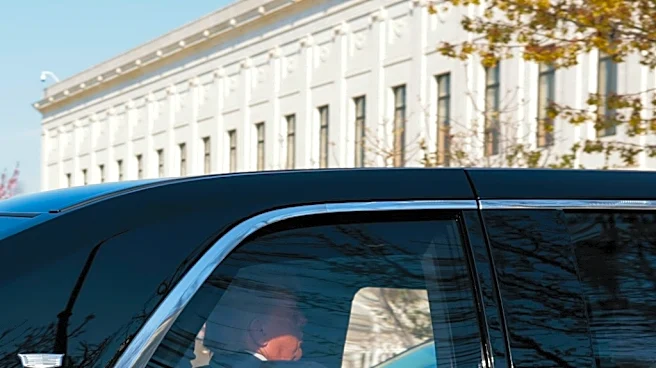
Supreme Court Justice Samuel Alito experienced a health scare on March 20 when he fell ill due to dehydration while attending a Federalist Society event in Philadelphia. The Supreme Court's public information office reported that Alito, 76, was advised
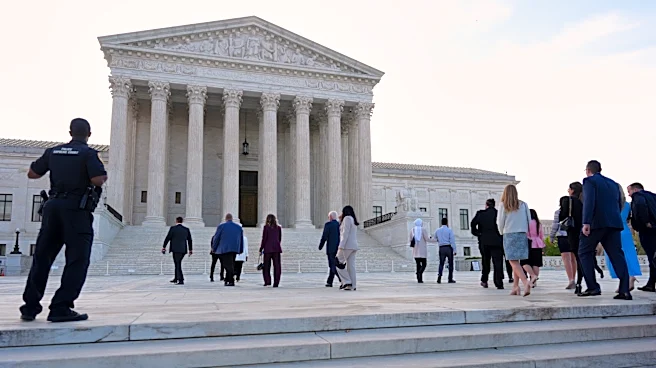
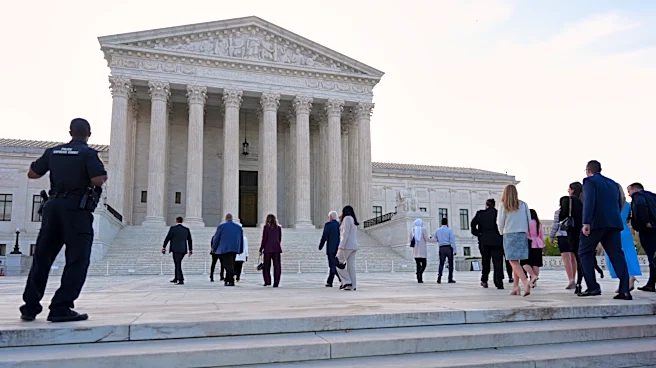
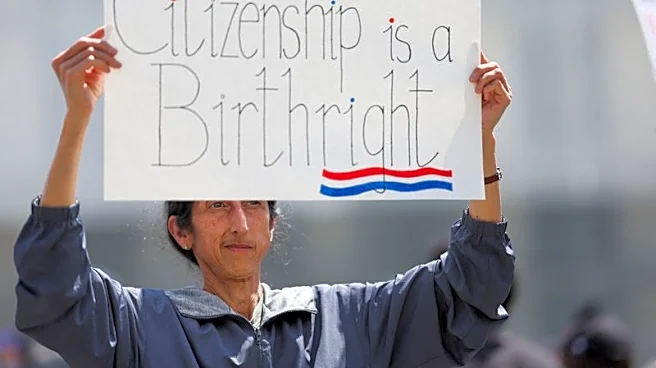
by his security detail to seek medical attention before embarking on a three-hour drive home. After receiving fluids for dehydration, he returned home the same night. Despite the incident, Alito has continued to participate in court activities, including oral arguments related to President Trump's executive order on birthright citizenship. Appointed by President George W. Bush in 2006, Alito is one of the court's most conservative justices and the third-longest-serving member currently on the bench.
Why It's Important?
Justice Alito's health incident is significant as it highlights the potential implications for the Supreme Court's composition. Alito is a key conservative voice on the court, and any changes to his status could impact the ideological balance of the court. Speculation about his retirement has been ongoing, especially with the political landscape potentially shifting if Democrats gain control of the Senate. Such a shift could complicate the process of appointing a successor, affecting future court decisions on critical issues. Alito's continued participation in court activities suggests stability for now, but his health remains a point of interest given the court's influence on U.S. law and policy.
What's Next?
While Justice Alito has resumed his duties, the incident may prompt further discussions about his future on the court. If Alito were to retire, the process of nominating and confirming a new justice could become a contentious political issue, particularly if the Senate's control changes. The outcome of the upcoming midterm elections will be crucial in determining the ease with which any potential vacancies on the court can be filled. Observers will likely continue to monitor Alito's health and any related announcements closely, as they could have significant ramifications for the court's future decisions.