





What's Happening?
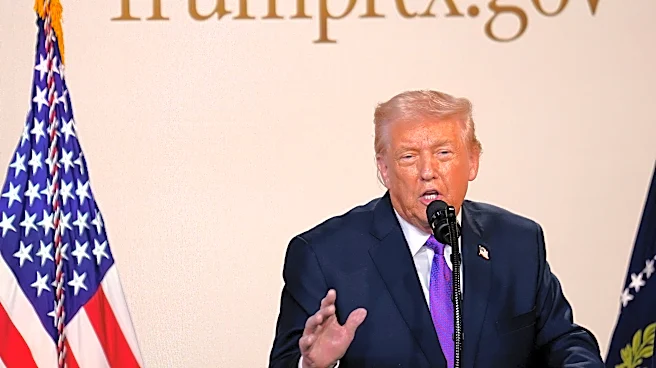
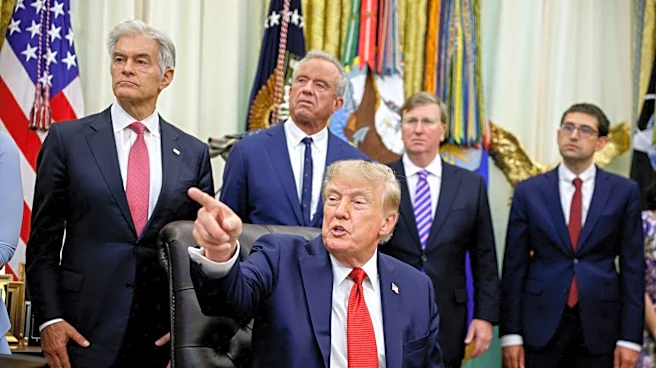
President Donald Trump has signed a new executive order directing federal agencies to expand hunting access on public lands and permit the use of lead ammunition and fishing tackle. The order, issued on September 17, also calls for increased 'targeted
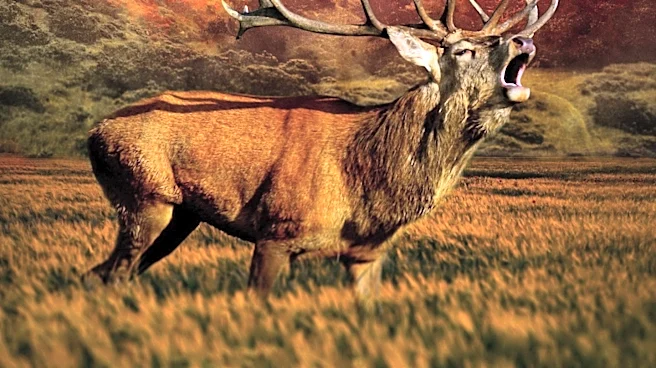
management of predators,' which critics interpret as a euphemism for predator control programs aimed at increasing game species for hunters. Humane World for Animals and Humane World Action Fund have expressed significant concerns regarding the order's potential impact on wildlife management, science-based conservation, and the health of wildlife and their habitats. While the order does not explicitly repeal the 1991 nationwide requirement for nontoxic shot in waterfowl hunting, it leaves open questions about how existing restrictions on toxic lead use might be affected. Sara Amundson, president of Humane World Action Fund, criticized the order for prioritizing a minority of hunters and anglers, warning of widespread lead toxicity in ecosystems. Kitty Block, president and CEO of Humane World for Animals, stated that the order could lead to increased hunting of animals like wolves, bears, and mountain lions and further spread toxic lead in their habitats.
Why It's Important?
This executive order carries significant implications for wildlife conservation and environmental health across U.S. public lands. By expanding hunting access and permitting lead ammunition, the order could reverse decades of efforts to reduce lead contamination, which is known to harm wildlife, including raptors and scavengers that ingest lead fragments. The directive for 'targeted management of predators' raises concerns among conservation groups that it could lead to increased culling of carnivores, disrupting ecological balance and potentially impacting endangered species. This move signals a shift in federal land management priorities, potentially favoring recreational hunting interests over broader conservation goals and scientific recommendations. The order also highlights an ongoing debate about the appropriate balance between public access for recreational activities and the protection of natural ecosystems. Environmental and animal welfare organizations argue that the order undermines science-based conservation practices and could lead to long-term ecological damage, affecting biodiversity and the health of public lands that belong to all Americans.
What's Next?
Federal agencies, including the Departments of the Interior and Agriculture, will now be tasked with implementing President Trump's executive order. This will involve reviewing existing regulations and policies to identify areas where hunting access can be expanded and where lead ammunition and fishing tackle use can be permitted. Conservation groups and environmental advocates are expected to closely monitor these implementations and may challenge specific actions through legal avenues or public campaigns. The order's impact on existing lead ammunition restrictions, particularly beyond waterfowl hunting, will become clearer as agencies issue new guidelines. There may also be increased legislative efforts, similar to the previously passed H.R. 556 (Protecting Access for Hunters and Anglers Act), to either support or counter the executive order's directives. The debate over lead ammunition use and predator management on public lands is likely to intensify, with stakeholders on both sides advocating for their positions in policy discussions and public discourse.
Beyond the Headlines
The executive order delves into a deeper philosophical conflict regarding the purpose and management of public lands. It reignites the long-standing tension between utilitarian views of natural resources, which prioritize human use and extraction, and conservationist perspectives, which emphasize ecological preservation and biodiversity. The debate over lead ammunition is not merely about hunting practices but also about the broader issue of environmental contaminants and their pervasive effects on ecosystems. Lead, a known neurotoxin, can enter the food chain through scavengers consuming carcasses shot with lead bullets, leading to widespread wildlife poisoning. Furthermore, the concept of 'predator control' often reflects a human-centric view of wildlife management, where certain species are deemed 'undesirable' if they compete with human interests or game species. This approach can overlook the critical ecological roles predators play in maintaining healthy ecosystems. The order thus represents a significant policy statement on how the U.S. government views its stewardship responsibilities over public lands and wildlife, potentially setting a precedent for future environmental policies.