



What's Happening?
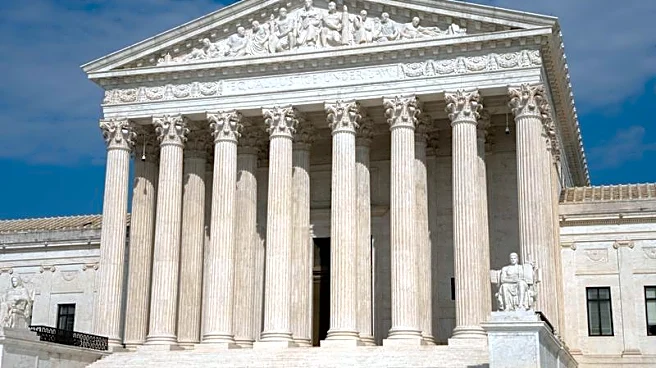
Senator Sheldon Whitehouse (D-R.I.) has publicly stated that the Supreme Court is 'captured' by dark money. This assertion comes amidst broader concerns regarding the court's impartiality and its relationship with President Trump. Representative Hank
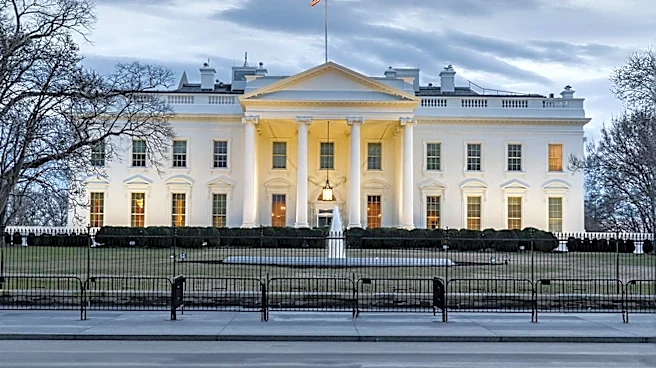
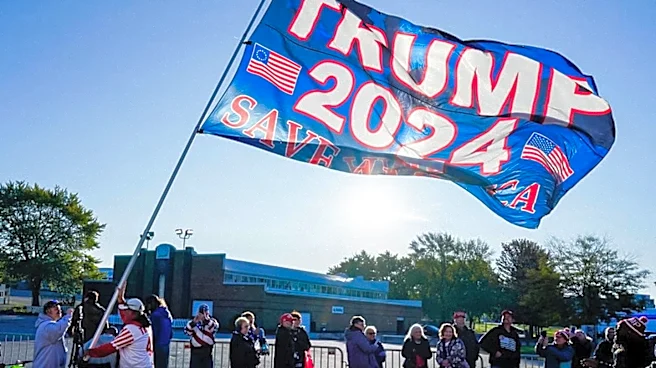
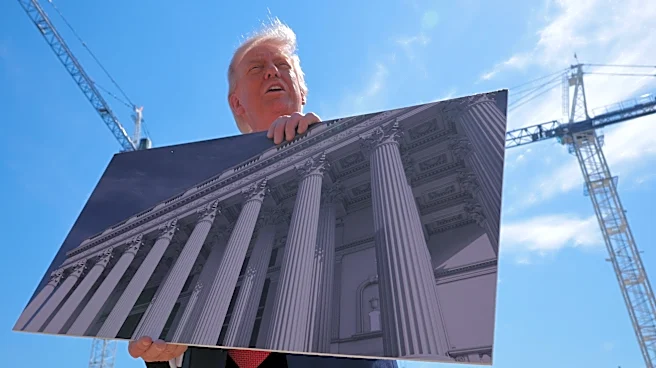
Johnson (D-Ga.) has echoed these sentiments, suggesting that the traditional system of checks and balances has been compromised. The criticism highlights a perception that the court, particularly its six Republican members, may align with President Trump's agenda, including potential actions related to mail-in ballots from the Postal Service. The article draws a parallel to historical instances of judicial overreach, referencing the 1857 Dred Scott decision where Chief Justice Roger Taney conspired with President James Buchanan. Chief Justice John Roberts is also noted for consistently siding with President Trump, including a decision that allowed White House ballroom construction to proceed despite preservationist challenges. These concerns are being raised in the lead-up to November's Election Day.
Why It's Important?
The allegations by Senator Whitehouse and Representative Johnson are significant because they challenge the perceived independence and integrity of the U.S. Supreme Court, a cornerstone of American democracy. If the public and political figures believe the court is 'captured' by external financial influences or political agendas, it can erode trust in the judiciary and the rule of law. This erosion of trust could have profound implications for public policy, as court decisions on critical issues, such as election procedures, could be viewed through a partisan lens rather than as impartial legal interpretations. The potential for the court to back President Trump's stance on mail-in ballots could directly impact the electoral process, potentially restricting or confusing voters and raising questions about the fairness of future elections. The historical comparison to the Dred Scott decision underscores the gravity of concerns about judicial impartiality and its long-term societal impact.
What's Next?
The accusations of the Supreme Court being 'captured' by dark money are likely to intensify political debate and scrutiny of the judiciary, especially as the November Election Day approaches. Democrats are expected to continue highlighting these concerns, potentially using them as a rallying cry in upcoming elections. The focus will remain on the court's decisions, particularly any rulings that could affect the electoral process, such as those concerning mail-in ballots. Major stakeholders, including political leaders, civil society groups, and legal organizations, will likely monitor the court's actions closely and may advocate for reforms aimed at increasing transparency and accountability within the judiciary. The ongoing public discourse could also lead to increased calls for legislative action to address the influence of 'dark money' in politics and its potential impact on judicial independence.
Beyond the Headlines
The allegations extend beyond immediate political implications, touching upon fundamental ethical and legal dimensions of the U.S. judicial system. The concept of a 'captured' court raises questions about the long-term health of democratic institutions and the balance of power among the branches of government. If the judiciary is perceived as unduly influenced by external forces, it could set a dangerous precedent, undermining the principle of judicial review and the court's role as an impartial arbiter of justice. This could lead to a decline in public confidence in governmental institutions as a whole, potentially fostering political instability and social unrest. The debate also highlights the ongoing tension between political appointments to the judiciary and the expectation of non-partisan legal interpretation, a tension that has significant cultural and societal implications for how Americans view their government and legal system.