
What's Happening?
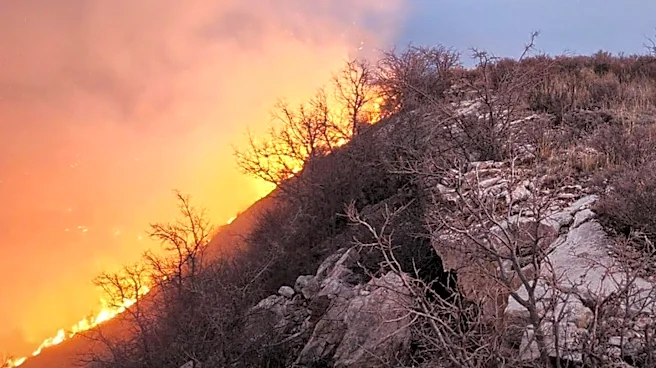
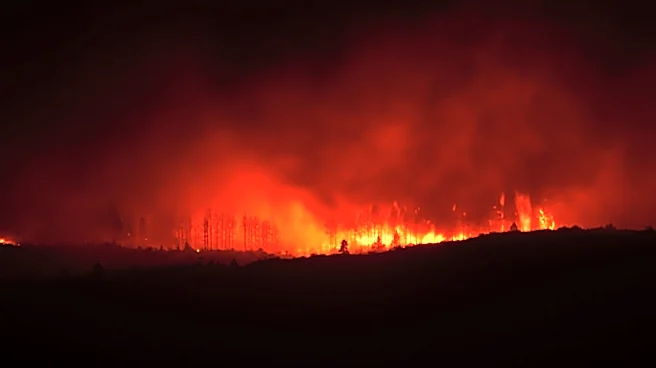
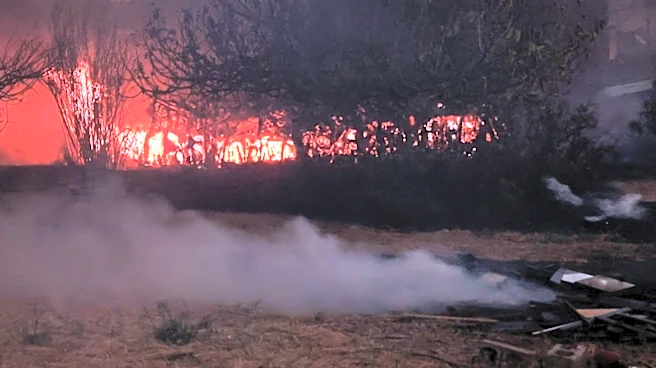
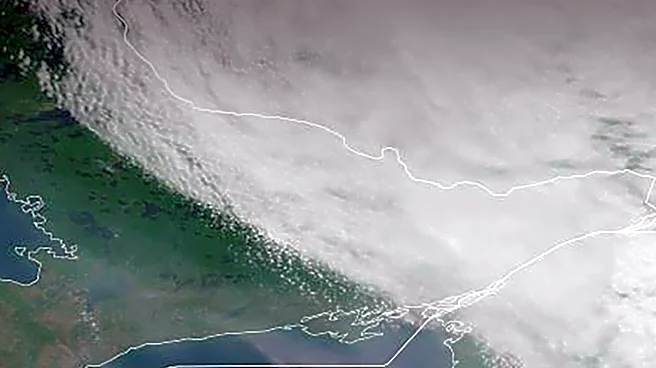
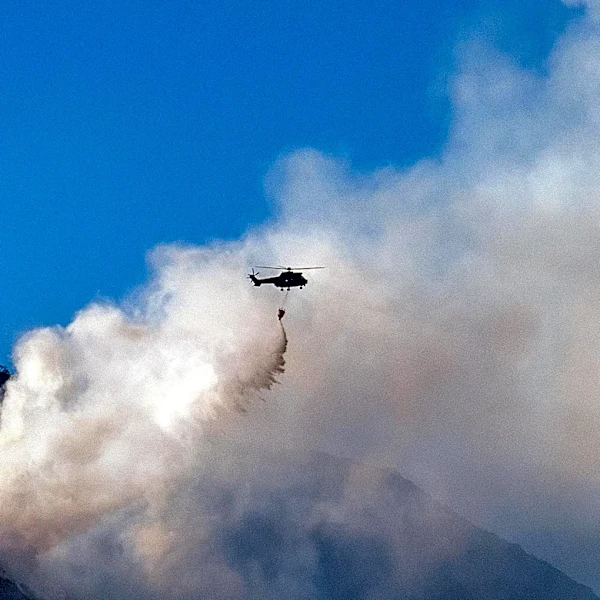
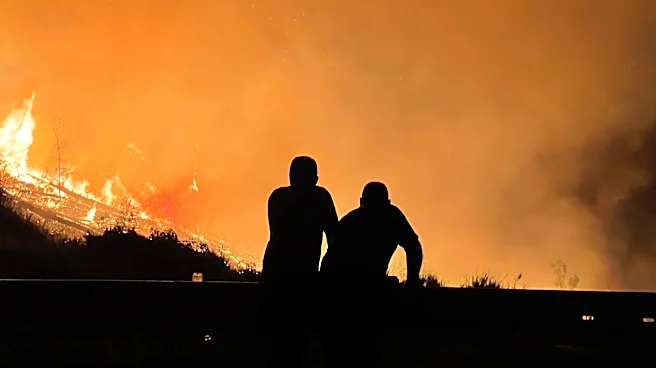
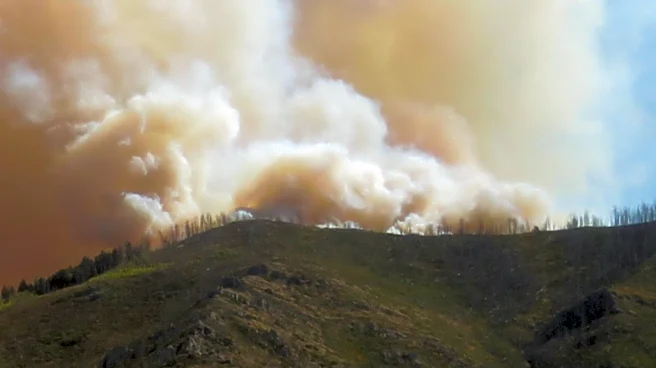
The Big Rock Fire in Idaho, sparked by lightning, has grown to 2,500 acres, causing significant smoke in the Jackson Hole valley. The fire, located near Heise, Idaho, has prompted closures and evacuation orders in the Heise area and Kelly Canyon. The U.S.
Wildland Fire Service is employing a full-suppression strategy to protect communities and resources, but the fire's extreme behavior is challenging efforts. Temporary closures of BLM-managed lands and campgrounds are in place, affecting recreational activities in the South Fork of the Snake River Canyon.
Why It's Important?
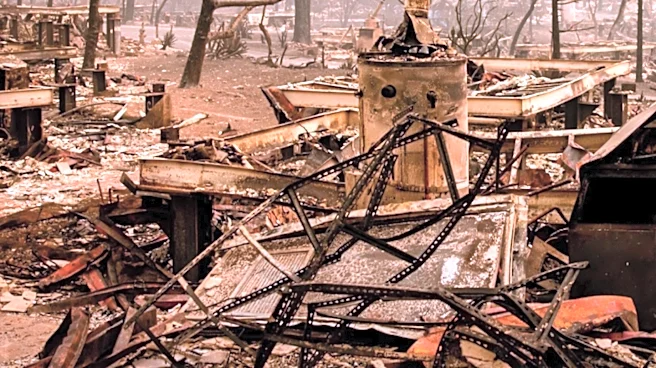
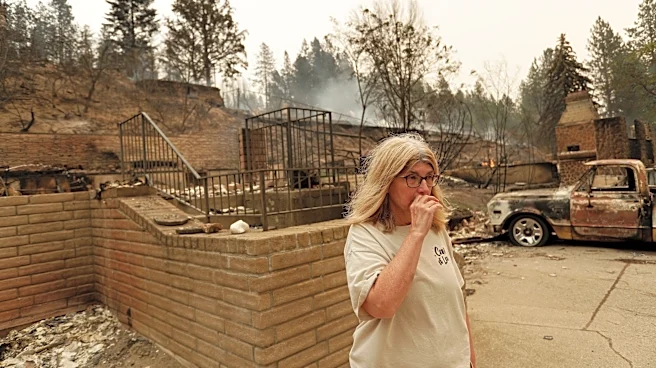
The Big Rock Fire underscores the ongoing challenges of wildfire management in the U.S., particularly in regions prone to dry conditions and high winds. The fire's impact on air quality and local communities highlights the broader environmental and public health concerns associated with wildfires. The closures and evacuations disrupt local economies and recreational activities, emphasizing the need for effective fire management strategies and community preparedness. This event also draws attention to the importance of inter-agency cooperation in managing natural disasters.
What's Next?
Efforts to contain the Big Rock Fire will continue, with multiple fire resources deployed to the scene. The temporary closures are set to expire on August 10, but this will depend on the fire's progression. Authorities will monitor weather conditions and fire behavior to adjust strategies as needed. The community will need to stay informed about evacuation orders and air quality advisories. Long-term, this fire may prompt discussions on improving fire management practices and infrastructure resilience in wildfire-prone areas.