



What's Happening?
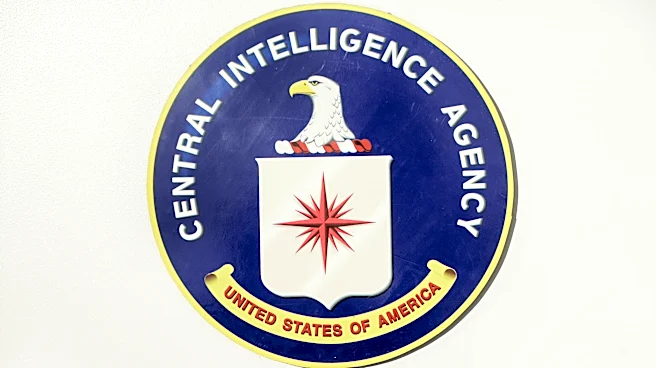
A declassified 1993 CIA document reveals concerns about a potential military conflict between Albania and Serbia, stemming from tensions between Belgrade and Pristina. The report, titled 'Intelligence Memorandum European Analysis Office January 5, 1993,'
highlights Albania's significantly weaker military compared to Serbia's modern and well-equipped forces. In 1993, Albania's military largely consisted of outdated Soviet and Chinese armaments, lacking sufficient ammunition, training, and transport for intensive combat operations. The document notes that Albania's Ministry of Defense was attempting to modernize its forces by seeking international assistance and reducing troop numbers to eliminate communist elements. Despite these efforts, the report concluded that Albania's army could only manage limited border defense against small incursions and would be unable to withstand a serious Serbian attack with modern weaponry. The report also indicated that while Tirana would likely avoid direct confrontation, it would provide indirect assistance to Kosovar Albanians, potentially drawing Serbia's retaliation.
Why It's Important?
This historical CIA assessment underscores the significant military imbalance in the Balkans during the early 1990s, a period marked by intense ethnic and political strife. The report's findings illustrate the vulnerability of smaller nations like Albania when facing a militarily superior neighbor, particularly in a region prone to conflict. The U.S. interest in this dynamic, as evidenced by the CIA report, highlights the broader geopolitical concerns about regional stability and the potential for wider international involvement. The document also sheds light on the challenges faced by post-communist states in modernizing their defense capabilities and integrating into the international security framework. The reliance on outdated equipment and the lack of modern training detailed in the report would have made Albania a less effective partner in any potential U.S.-led or international peacekeeping efforts in the region at that time.
What's Next?
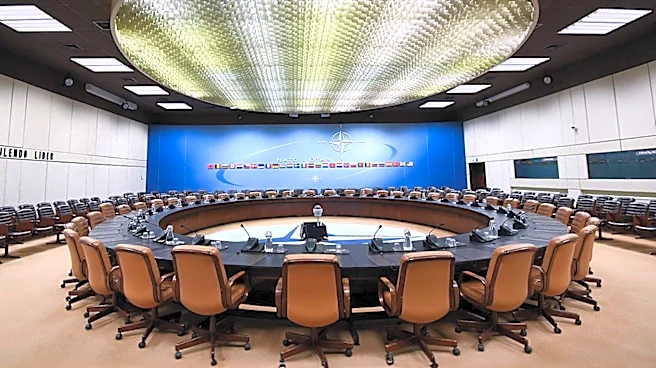
While this report is historical, its insights into regional military dynamics and the challenges of post-communist military reform remain relevant for understanding ongoing security concerns in the Balkans. The document's emphasis on Albania's efforts to seek international assistance for military modernization foreshadowed the country's eventual integration into NATO in 2009, a move that significantly altered the regional power balance. Future developments in the region will continue to be influenced by the military capabilities of individual states, their alliances, and the broader geopolitical interests of major powers. The historical context provided by this report helps in analyzing current and future security strategies in the Western Balkans, particularly concerning the stability of the Serbia-Kosovo border and the role of international actors.
Beyond the Headlines
The 1993 CIA report offers a glimpse into the complex interplay of military capabilities, political will, and international relations during a volatile period. It highlights the ethical dilemmas faced by nations like Albania, caught between domestic pressure to support ethnic kin and the practical limitations of their military strength. The report's mention of Albania's efforts to eliminate communist elements from its military reflects a broader post-Cold War trend of democratic transition and institutional reform in Eastern Europe. This historical document serves as a reminder of how past conflicts and military disparities continue to shape contemporary foreign policy and defense planning, influencing decisions on international aid, military alliances, and regional security initiatives. The U.S. intelligence community's detailed analysis of such regional dynamics underscores its role in informing U.S. foreign policy and strategic interests globally.