



What's Happening?
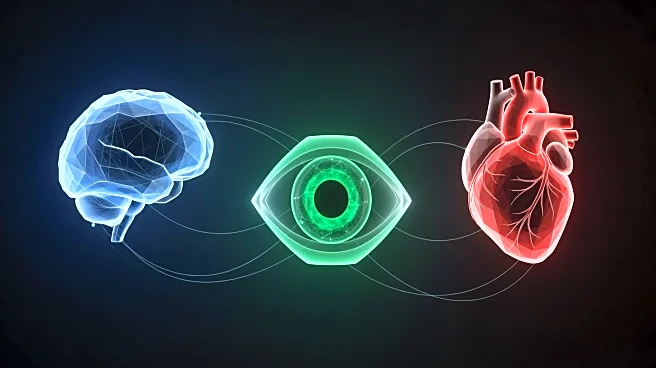
A recent study has utilized multi-organ AI endophenotypes to chart the heterogeneity of diseases affecting the brain, eye, and heart. The research, conducted by the MULTI consortium, integrates multi-organ imaging data with multi-omics data to model human
aging and disease. The study analyzed data from 129,340 participants, including brain and heart MRI and eye OCT images, alongside genetic and proteomics data. This comprehensive approach aims to understand disease mechanisms and predispositions by capturing morphological heterogeneity across these organs.
Why It's Important?
This research is significant as it provides a holistic view of disease mechanisms across multiple organ systems, which is crucial for developing targeted therapies and personalized medicine. By understanding the commonalities and differences in disease presentation across the brain, eye, and heart, researchers can identify potential biomarkers for early diagnosis and treatment. This approach also highlights the importance of integrating diverse data types to gain a comprehensive understanding of complex diseases, which could lead to more effective interventions and improved patient outcomes.