
What's Happening?
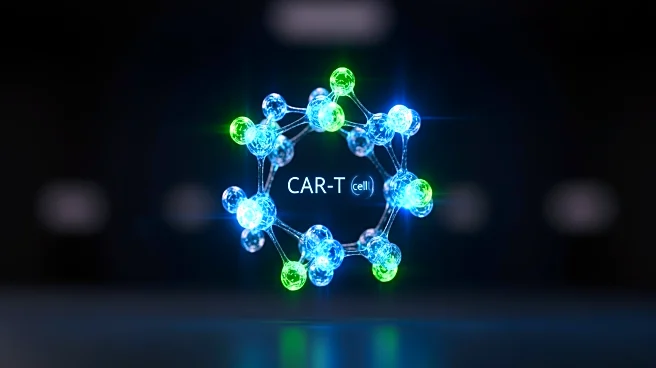
A new form of immune therapy has shown promising results in driving an otherwise incurable form of T-cell leukaemia into remission. This treatment involves re-engineering T-cells from a healthy donor to recognize
and attack leukaemia cells, offering a ready-made therapy option for patients in urgent need. The therapy has been tested on 11 patients, with results published in the New England Journal of Medicine, showing deep remissions in some cases. The therapy acts as a bridge to enable a stem cell or bone marrow transplant, which remains the only long-term cure for these patients.
Why It's Important?
This development represents a significant advancement in cancer treatment, particularly for patients with limited options. The ability to use donor-derived, gene-edited T-cells could potentially be adapted for other blood cancers and solid tumors, making cancer treatment more accessible. However, the therapy is not a universal cure and requires intensive treatment and long-term follow-up. The success of this therapy could lead to broader applications and improvements in cancer treatment protocols, offering hope to patients with resistant forms of cancer.