







What's Happening?
Emmy-winning filmmaker Paul Bonesteel has released his latest documentary, "A Life Reimagined: The George Masa Story," which explores the life and contributions of Japanese immigrant photographer George Masa. Masa played a crucial role in the establishment
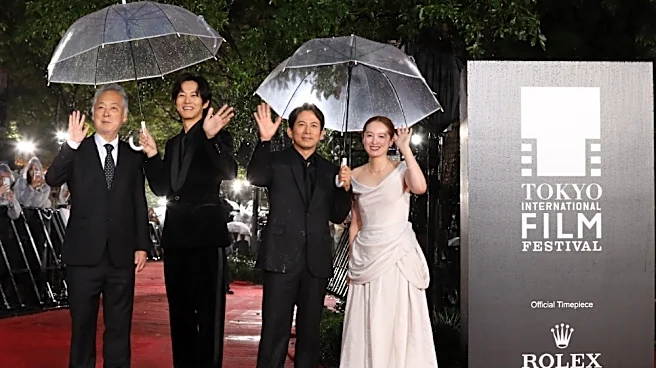
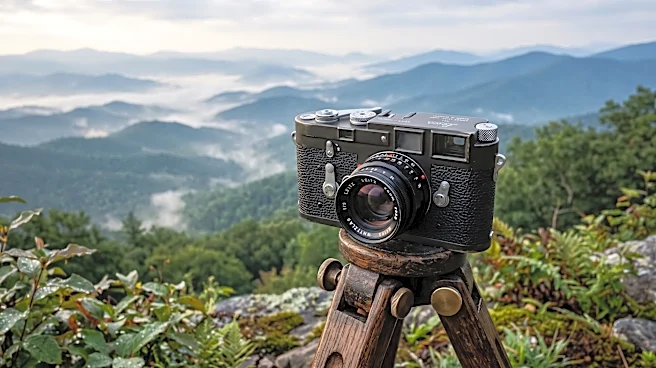
of the Great Smoky Mountains National Park. The documentary, Bonesteel's second film about Masa, delves into previously unknown aspects of the photographer's life before his arrival in Asheville, North Carolina, including a potential reason for his move to a town without an established Japanese immigrant community. Masa, who worked at the Grove Park Inn and later opened his own photography studio, captured the beauty of the southern Appalachian Mountains and mapped the surrounding terrain. His work and connections with inn guests were instrumental in convincing the public and key figures like John D. Rockefeller Jr. to support the creation of the national park. The film was screened in Tokyo and two other locations in Japan in late September, followed by discussions with the director.
Why It's Important?
This documentary highlights the significant, yet often overlooked, contributions of an immigrant to a major U.S. conservation effort. George Masa's dedication to documenting the natural beauty of the Great Smoky Mountains was pivotal in rallying support for the establishment of one of the most visited national parks in the United States. His story underscores the diverse origins of individuals who have shaped American landscapes and institutions. The film also touches upon themes of overcoming adversity, including racial hostility and personal loss, to achieve a greater purpose. By shedding light on Masa's life, the documentary encourages a broader appreciation for individuals whose historical contributions may not have been fully recognized, reinforcing the idea of the 'American dream' through the lens of conservation and artistic expression. The recognition of Masa's legacy, including a peak named Masa Knob in the park, demonstrates the lasting impact of his work.
What's Next?
The documentary "A Life Reimagined: The George Masa Story" has already been released in the United States this year and screened in Japan. The screenings in Japan, particularly at Masa's alma mater, Shizuoka High School, have inspired students, suggesting the film will continue to foster appreciation for Masa's legacy and potentially encourage others to pursue their aspirations globally. The film's release is expected to further solidify George Masa's place in U.S. conservation history and bring his story to a wider audience, potentially leading to increased awareness and research into other underrecognized figures in American history. The ongoing discussions and screenings will likely continue to explore the themes of immigration, conservation, and the pursuit of freedom that Masa's life embodies.
Beyond the Headlines
Beyond the immediate narrative of a photographer's role in national park creation, Masa's story delves into deeper societal implications. His experience as a Japanese immigrant in the early 20th century United States, navigating racial hostility and personal challenges, offers a poignant reflection on the immigrant experience and resilience. The documentary's exploration of a possible reason for his move to Asheville—a potential connection to a missing money incident at a Japanese American baseball club—adds a layer of complexity to his personal journey and the societal pressures faced by immigrant communities. The film also implicitly raises questions about historical narratives and who gets remembered, advocating for a more inclusive understanding of American history. Masa's artistic approach, focusing on balance and not overemphasizing objects, suggests a philosophical connection to the natural world that transcends mere documentation, offering a cultural and ethical dimension to his conservation efforts.