


What's Happening?
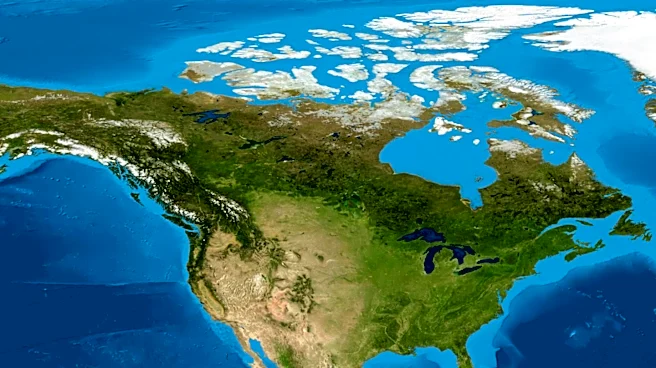
A recent study conducted by Montana State University has established a link between the extreme snow drought experienced in the Western United States and human-caused climate change. The research, published in the Proceedings of the National Academy of Sciences,
indicates that the lack of snow is more than four times more likely due to anthropogenic warming. The study utilized high-resolution datasets to compare current conditions with pre-industrial times, revealing that snow droughts are now expected to occur every 6.8 years, compared to once every 30 years historically.
Why It's Important?
This study provides critical evidence of the impact of climate change on snowpack levels, which are vital for water resources in the arid Mountain West. The findings have significant implications for water management, agriculture, and wildlife conservation. As snowpacks diminish, water shortages could become more frequent, affecting millions of residents and industries dependent on consistent water supply. The research underscores the urgency of addressing climate change to mitigate its effects on natural resources and ecosystems.
What's Next?
The study's authors hope that land managers and policymakers will use these findings to develop strategies for adapting to reduced snowpack levels. This may include investing in water conservation technologies and revising water allocation policies. Additionally, the research highlights the importance of pursuing lower emission scenarios to reduce the frequency of such extreme weather events. Ongoing monitoring and further studies will be essential to track changes and inform future climate adaptation efforts.
Beyond the Headlines
The study also raises ethical considerations regarding the responsibility of current generations to address climate change for future generations. It highlights the need for global cooperation in reducing greenhouse gas emissions and investing in sustainable practices. The research may influence public discourse on climate policy, encouraging more robust action at both national and international levels.