







What's Happening?
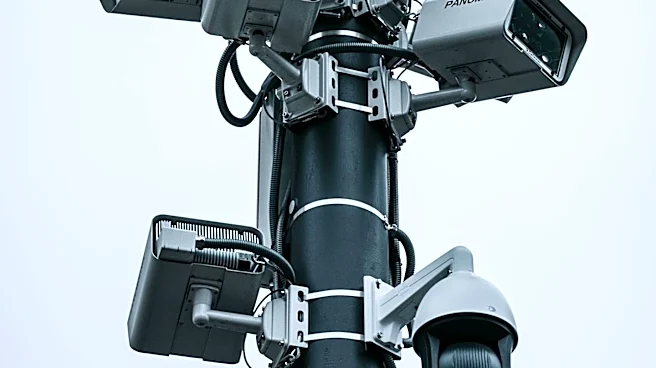
Cleveland Mayor Justin Bibb's office has requested City Council approval for a new contract with Axon Enterprises to install license plate readers throughout the city. This move would terminate Cleveland's existing relationship with Flock Safety, a company
whose cameras have been a source of contention. The proposed contract with Axon is for one year, with the option for four one-year renewals, subject to the discretion of Cleveland's safety director. City Council President Blaine Griffin and Safety Committee Chair Mike Polensek introduced the legislation last week at Mayor Bibb's request. The Cleveland Division of Police already utilizes Axon for officer-worn body cameras and partners with the company's FUSUS technology for voluntary access to private surveillance footage. A city spokesperson stated that Axon's license plate readers would provide law enforcement with necessary tools and accountability measures to protect civil liberties while enhancing public safety.
Why It's Important?
This proposed shift from Flock Safety to Axon Enterprises for license plate readers in Cleveland carries significant implications for public safety, civil liberties, and technology procurement in urban environments. The move reflects a broader debate surrounding the balance between surveillance technology's potential to deter and solve crime and concerns over privacy and data misuse. Critics of Flock Safety have raised issues regarding data sharing, privacy, and the potential for the technology to be used for immigration enforcement. By seeking a new vendor, Cleveland is attempting to address these concerns, potentially setting a precedent for other municipalities grappling with similar issues. The decision to partner with Axon, a company already integrated into Cleveland's policing infrastructure, suggests a strategic consolidation of technology providers, which could streamline operations but also intensify scrutiny on a single vendor's practices.
What's Next?
The Cleveland City Council formally introduced the resolution for the Axon contract during a recent meeting, and a final vote date is currently unknown. The outcome of this vote will determine the future of license plate reader technology in Cleveland and could influence how other cities approach similar contracts. In a related development, the Cleveland Metropolitan School District recently decided not to renew its agreement with Flock Safety, ordering the removal of all Flock cameras from school properties. This indicates a growing trend of institutions re-evaluating their relationships with surveillance technology providers. If approved, the Axon contract will initiate a new phase of surveillance implementation in Cleveland, with ongoing monitoring of its effectiveness and adherence to privacy safeguards expected from civil liberties advocates and the public.
Beyond the Headlines
The transition from Flock Safety to Axon Enterprises highlights the evolving landscape of urban surveillance and the ethical dilemmas associated with advanced monitoring technologies. The debate extends beyond mere vendor selection to fundamental questions about the role of artificial intelligence in policing, the scope of government surveillance, and the protection of individual rights in an increasingly connected society. The concerns raised by 'Flock No Cleveland' spokesperson Bryn Adams, who characterized Axon as 'Flock with a better PR department' and 'more invasive AI capabilities,' underscore the deep skepticism among some civil liberties groups regarding any widespread deployment of such technology. This situation could catalyze broader discussions on regulatory frameworks for AI-powered surveillance, data governance, and the need for transparent oversight mechanisms to prevent potential abuses and ensure accountability.