




What's Happening?
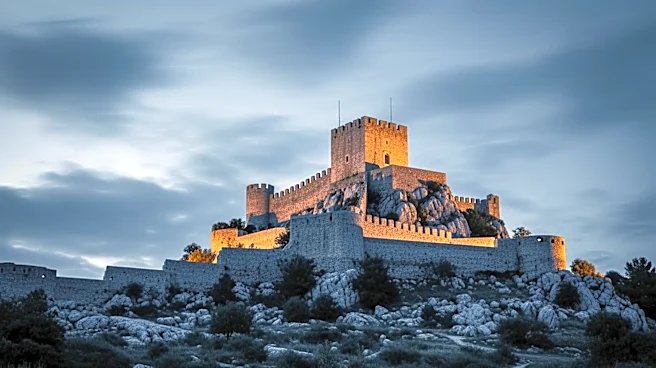
Israeli troops have captured the historic Beaufort Castle in southern Lebanon, a strategic move in their ongoing campaign against Hezbollah. The castle, dating back to the Crusader era, provides a commanding view over southern Lebanon and northern Israel.
Prime Minister Benjamin Netanyahu has described the seizure as a dramatic shift in policy, emphasizing its strategic importance. The operation marks Israel's deepest incursion into Lebanon in over 26 years, targeting Hezbollah's launch infrastructure. The IDF has issued evacuation orders to areas surrounding the castle, warning of further military actions. The capture of Beaufort Castle is part of Israel's broader strategy to counter Hezbollah's influence in the region.
Why It's Important?
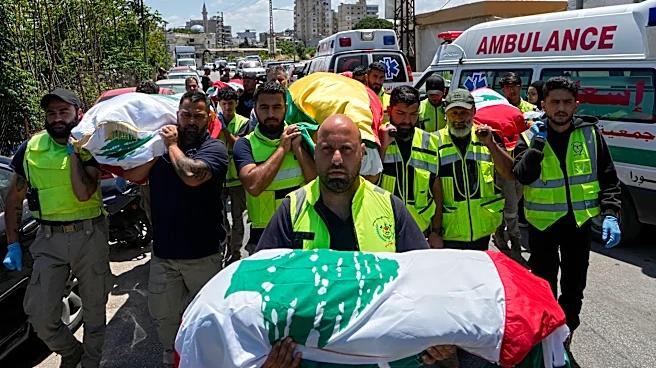
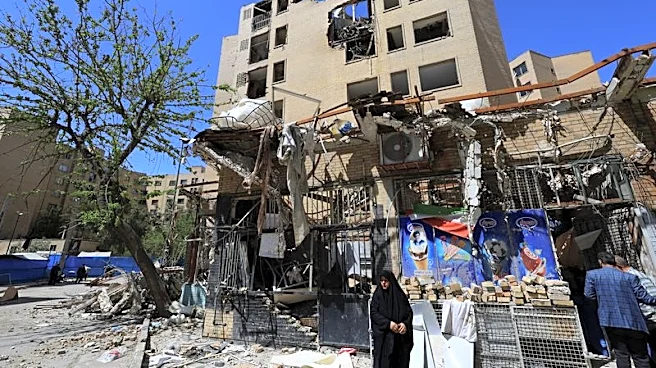
The capture of Beaufort Castle is a significant military achievement for Israel, enhancing its strategic position in the region. The operation underscores Israel's determination to counter Hezbollah, a group backed by Iran, which poses a threat to Israeli security. The military advancement could alter regional power dynamics, impacting future diplomatic and military engagements. The conflict has broader implications for U.S.-Iran relations, as efforts to broker peace are complicated by ongoing hostilities. The humanitarian impact is severe, with significant displacement and casualties, raising concerns about the long-term stability of Lebanon.
What's Next?
Israel is likely to maintain its military presence in southern Lebanon, reinforcing its strategic position. The operation may lead to further military engagements with Hezbollah, despite international calls for a ceasefire. Diplomatic efforts to resolve the conflict may continue, but the entrenched positions of both sides pose challenges to achieving lasting peace. The international community may increase pressure on both parties to de-escalate tensions and address humanitarian concerns. The situation remains volatile, with potential for further escalation if diplomatic efforts fail.
Beyond the Headlines
The capture of Beaufort Castle highlights the intersection of historical and modern conflicts in the Middle East. The operation raises ethical questions about the impact on civilian populations and the preservation of cultural heritage sites. The ongoing conflict reflects the complexities of regional geopolitics, where historical sites become strategic assets in modern warfare. The humanitarian impact is significant, with displacement and casualties affecting thousands, underscoring the need for international intervention to address the crisis.