




What's Happening?
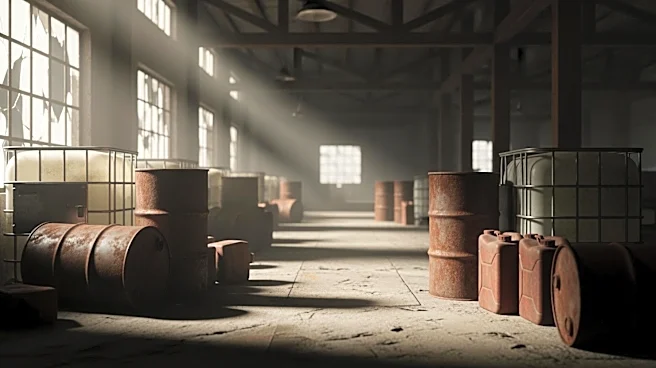
International inspectors have uncovered numerous previously hidden chemical weapons sites in Syria, years after the country agreed to dismantle its chemical arsenal. The Organisation for the Prohibition of Chemical Weapons (OPCW) reported finding chemical munitions,
production materials, and extensive documentation of the program under former President Bashar al-Assad. This discovery comes amid a fragile security transition in Syria, where new government forces are consolidating control over territories previously held by the Kurdish-led Syrian Democratic Forces (SDF). The U.S. has recently withdrawn troops from several bases, ending a decade-long presence. The OPCW's findings suggest that more than 100 additional sites may be linked to Syria's chemical weapons program, raising concerns about the potential proliferation of these materials.
Why It's Important?
The discovery of hidden chemical weapons sites in Syria poses significant security risks, both regionally and globally. The presence of these materials increases the threat of their acquisition by non-state actors, such as militant groups like ISIS, which have previously used chemical weapons. The ongoing military transition in Syria, coupled with the withdrawal of U.S. forces, creates a volatile environment where control over these dangerous materials could be compromised. The situation underscores the challenges faced by Syria's new government in maintaining security and preventing the proliferation of chemical weapons. The findings also highlight the need for continued international monitoring and cooperation to address the potential threats posed by these weapons.
What's Next?
Syria's new government, led by President Ahmed al-Sharaa, faces the challenge of securing the country's chemical weapons sites and preventing their proliferation. The OPCW and international community will likely continue to monitor the situation closely, providing support and expertise to ensure compliance with international chemical weapons agreements. The U.S. and its allies may need to reassess their strategies in the region to address the security gaps left by the withdrawal of American forces. The potential for militant groups to exploit the current instability underscores the importance of a coordinated international response to prevent the spread of chemical weapons and ensure regional stability.