
What's Happening?
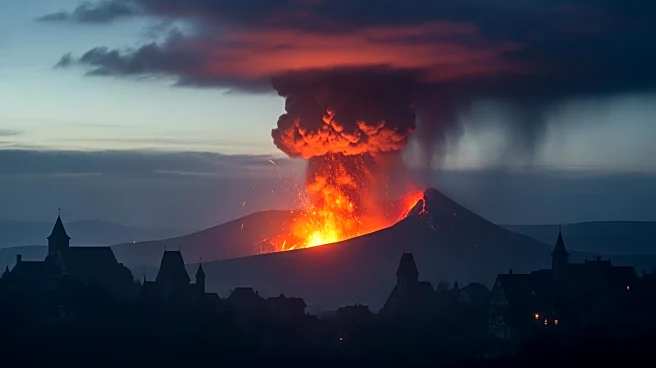
A recent study published in Communications Earth & Environment suggests that volcanic eruptions may have played a significant role in the spread of the Black Death pandemic in the 14th century. The research
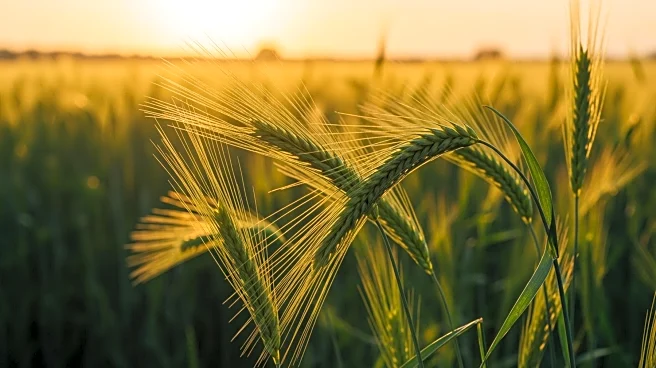
indicates that volcanic ash in the atmosphere led to unusually cool summers, disrupting harvests across the Mediterranean. This climate anomaly forced Italian city-states to reopen grain trade routes to the Black Sea, where the plague was circulating. The study highlights how these climate conditions, combined with geopolitical factors, facilitated the rapid spread of the plague. Researchers used tree rings and ice cores to trace the timing of these climate events, which coincided with historical records of poor harvests and high grain prices.
Why It's Important?
The study underscores the interconnectedness of climate, commerce, and disease, illustrating how environmental changes can have far-reaching impacts on human societies. By linking volcanic eruptions to the spread of the Black Death, the research provides a new perspective on how pandemics can be influenced by climate conditions. This insight is particularly relevant today as it highlights the potential for climate change to exacerbate existing health and economic challenges. Understanding these historical dynamics can inform current strategies for managing the impacts of climate change and preventing future pandemics.
What's Next?
While the study does not claim that volcanic eruptions directly caused the Black Death, it suggests that climate conditions set the stage for the pandemic's spread. Future research may focus on identifying specific volcanic events and further exploring the relationship between climate and disease. Additionally, policymakers and scientists may use these findings to develop strategies for mitigating the impacts of climate change on global health and food security.
Beyond the Headlines
The study adds a new dimension to the narrative of the Black Death, emphasizing the role of climate as a catalyst for historical events. It also serves as a reminder of the complex interplay between natural and human systems, where disruptions in one area can lead to cascading effects across others. This understanding is crucial for addressing contemporary challenges, such as climate change and global health threats, by fostering resilience and adaptability in interconnected systems.