




What's Happening?
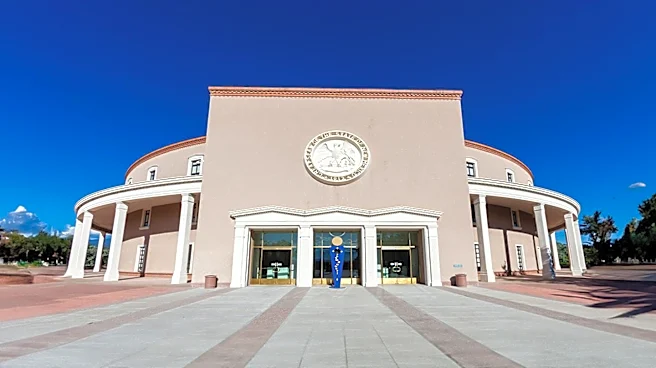
New Mexico Land Commissioner Stephanie Garcia Richard has issued an executive order prohibiting the leasing of state lands for new uranium mining and related activities. This decision was announced at a press conference and aims to protect communities
and natural resources from the environmental and health impacts associated with uranium production. The order also directs the State Land Office to prioritize the cleanup of existing legacy uranium sites and calls on the uranium industry and the federal government to fund and address these long-standing issues. Congresswoman Teresa Leger Fernández expressed strong support for the ban, highlighting concerns about outside companies exploiting New Mexico's resources and the historical disrespect shown to the state's citizens. The move comes despite the Trump administration's push for increased uranium production nationwide, which Commissioner Garcia Richard described as a 'low blow' to affected communities.
Why It's Important?
This executive order is significant for New Mexico as it directly addresses the state's painful history as the largest producer of uranium ore in the United States, which has left over 1,000 former mining sites, with 250 considered abandoned. The ban aims to prevent further environmental degradation and health issues, particularly for Indigenous communities and New Mexico families who have historically suffered from living near uranium pits or downwind from nuclear testing sites. By solidifying the prohibition on new uranium mining, the state is taking a proactive stance against potential future liabilities and prioritizing the well-being of its residents and the preservation of its land and water resources. The action also challenges the federal government's broader policy on uranium production, setting a precedent for states to assert control over their natural resources in the face of national initiatives.
What's Next?
The State Land Office will now focus on the cleanup of existing legacy uranium sites, a task that will require significant resources and cooperation from the uranium industry and the federal government. The executive order serves as a clear directive for these entities to prioritize and fund the remediation efforts. Congresswoman Teresa Leger Fernández's support suggests potential legislative action at the federal level, as she has legislation to withdraw federal lands from uranium mining in the Chama watershed. This could lead to further clashes between state and federal policies regarding natural resource extraction. The ban is also likely to face scrutiny or opposition from the uranium industry, which may seek to challenge the executive order or lobby for its reversal, especially given the Trump administration's stance on increasing uranium production.
Beyond the Headlines
The ban on new uranium mining in New Mexico highlights a broader national debate about resource extraction, environmental justice, and the balance between economic development and public health. The historical context of uranium mining in New Mexico, particularly its impact on Indigenous communities, underscores the ethical dimensions of industrial activities and the long-term consequences of neglecting environmental remediation. This decision could inspire other states with similar histories of resource exploitation to adopt more stringent regulations or outright bans on certain mining practices. It also brings to the forefront the concept of 'legacy problems' in industry, where the costs of environmental damage and health issues are often borne by local communities long after companies have profited and left. The move signifies a shift towards prioritizing community well-being and environmental protection over short-term economic gains from resource extraction.