

What's Happening?
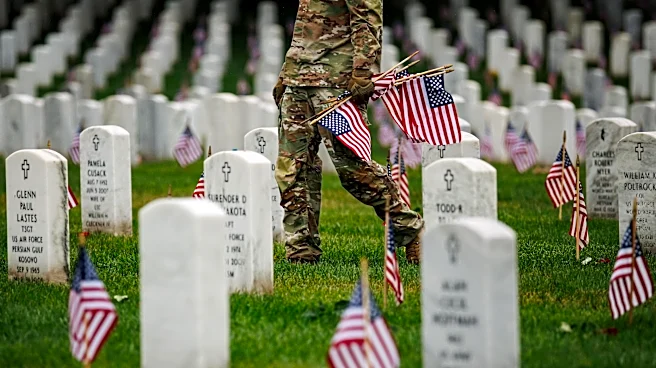
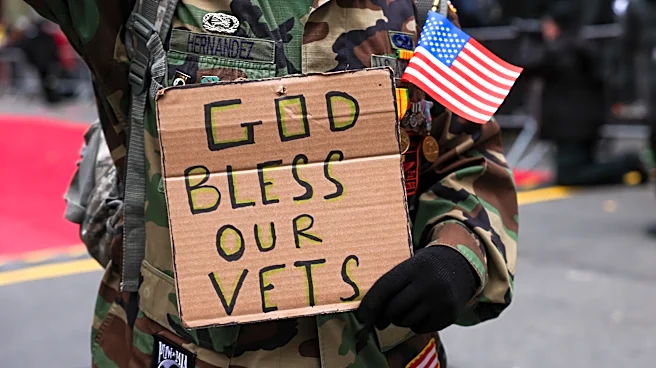
Despite annual recognition on Veterans Day and widespread social media engagement, a significant military-civilian gap continues to widen in the United States. This gap refers to the public's high regard for the military coupled with a lack of understanding
of the institution and the experiences of its personnel. For example, while Veterans Day in 2025 saw 399,000 references to veterans on social media platform X, this number plummeted by nearly 94% within a week. This transient public attention, combined with a declining percentage of veterans in the adult population (from 18% in 1980 to 6% in 2022) and fewer civilians knowing someone who has served, means much of the public's perception of military life is shaped by mass media. Media often portrays veterans as heroes, recipients of charity, or victims of mental or physical harm, rather than offering nuanced perspectives.
Why It's Important?
The military-civilian gap creates several critical problems. It hinders military recruitment efforts as civilians lack a comprehensive understanding of military service. It also makes it difficult for civilians to identify with their neighbors who have served, fostering a sense of disconnect. Furthermore, this gap complicates the reintegration of veterans into civilian society, as stereotypical media portrayals can lead to misunderstandings and stigmatization. Research indicates that exposure to stereotypical news stories about veterans can lead readers to associate them with conditions like post-traumatic stress disorder, reducing the desire for social closeness. This impacts veterans' social integration and access to support, despite the military's substantial $900 billion in taxpayer funding and its crucial role in domestic and international affairs.
What's Next?
Addressing the military-civilian gap requires more than just annual holiday acknowledgments. Efforts are underway by organizations like Military Veterans in Journalism and Veterans in Media & Entertainment to help veterans pursue careers in media, aiming to produce more nuanced stories about military life. Non-profit news organizations, such as The War Horse, are also working to bridge this gap through storytelling and investigative reporting. These initiatives seek to move beyond stereotypical portrayals and provide a more accurate and comprehensive understanding of veterans' experiences. Civilians are encouraged to engage in sincere conversations with veterans, showing interest in their individual experiences rather than relying on formulaic expressions of gratitude, which can foster genuine understanding and connection.
Beyond the Headlines
The persistent military-civilian gap highlights a broader societal challenge in how complex and specialized groups are understood by the general public. The reliance on mass media for information, coupled with media's tendency to focus on timely, emotional, or conflict-driven narratives, can inadvertently create and reinforce stereotypes. This issue extends beyond veterans to other specialized professions or communities. The decline in military experience among members of Congress further exacerbates this problem, as fewer policymakers have direct insight into military life. Bridging this gap requires a concerted effort from media, educational institutions, and individuals to foster deeper engagement and understanding, moving beyond superficial recognition to genuine empathy and informed dialogue about the diverse experiences within the military community.