

What's Happening?
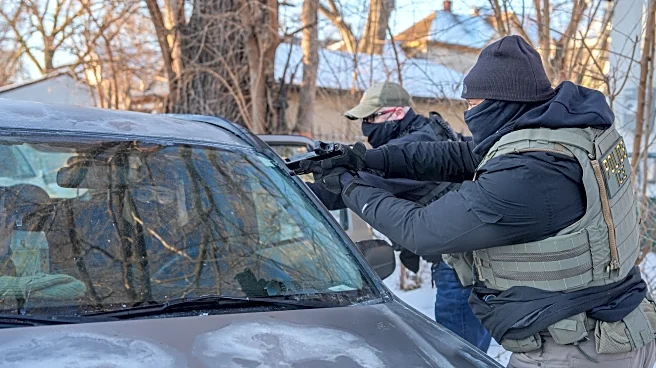
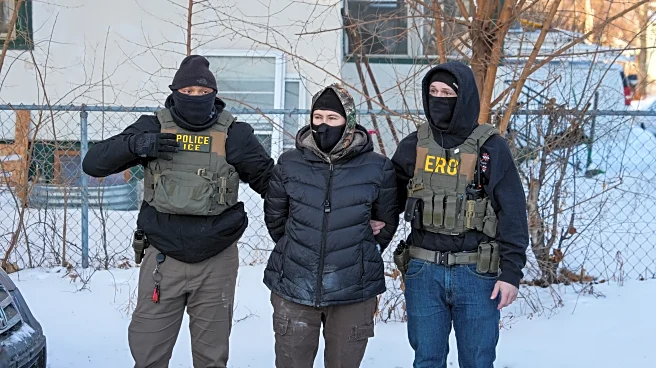
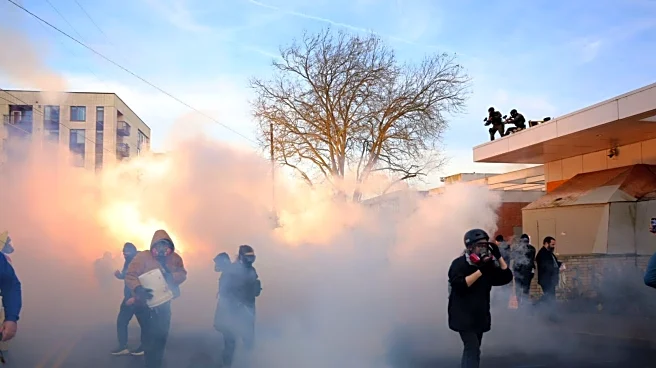
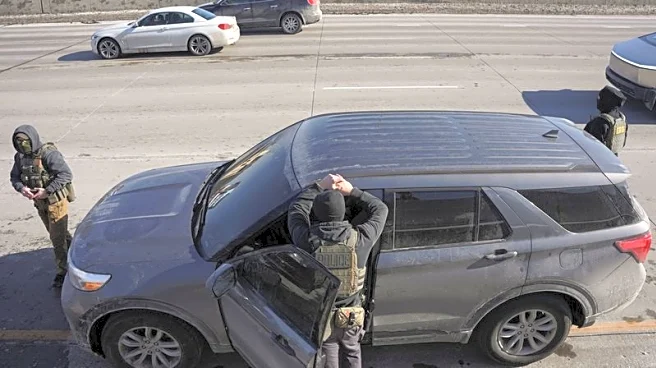
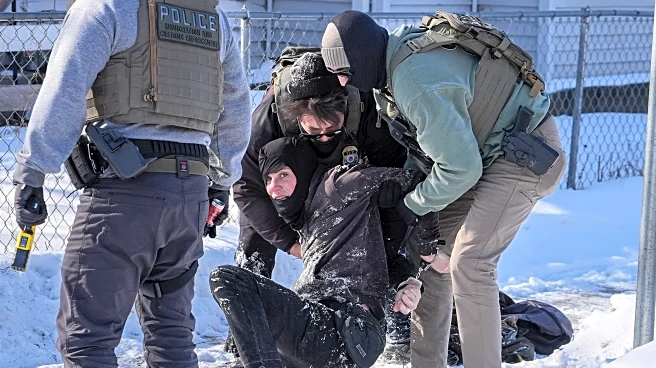
The federal government has appealed a judge's ruling that prohibits ICE agents from detaining peaceful protesters or using tear gas against them. This legal action is part of a broader conflict in Minnesota, where protests have erupted following the fatal
shooting of Renee Good by an ICE agent. The American Civil Liberties Union of Minnesota filed a lawsuit on behalf of six activists, alleging that the federal government is violating protesters' civil rights. The Department of Homeland Security has defended its actions, citing the need to protect officers and the public from what it describes as 'dangerous rioters.'
Why It's Important?
The appeal highlights the ongoing tension between federal authorities and civil rights groups over the use of force in managing protests. The outcome of this legal battle could set a precedent for how federal agencies handle demonstrations, particularly those related to immigration enforcement. The case also underscores the broader national debate on civil liberties and the balance between security and the right to protest. The federal government's stance may influence public perception and policy regarding immigration enforcement and protest management.
What's Next?
The appeal process will continue in the courts, with potential implications for future protests and federal enforcement actions. If the government's appeal is successful, it could lead to increased use of force by ICE agents in managing protests. Conversely, if the appeal is denied, it may limit federal agencies' ability to use certain crowd control measures. The legal proceedings will be closely watched by civil rights organizations, policymakers, and the public, as they could impact future demonstrations and federal responses.