
What's Happening?
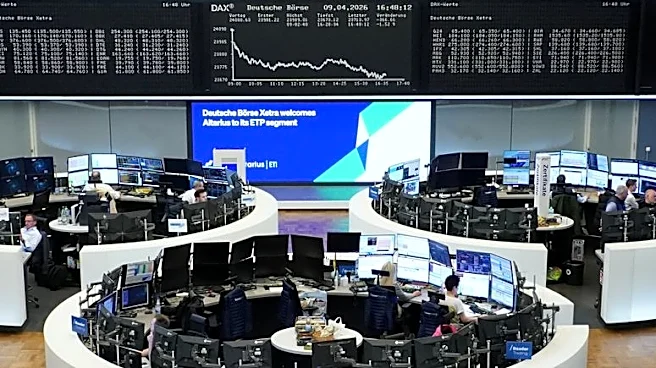
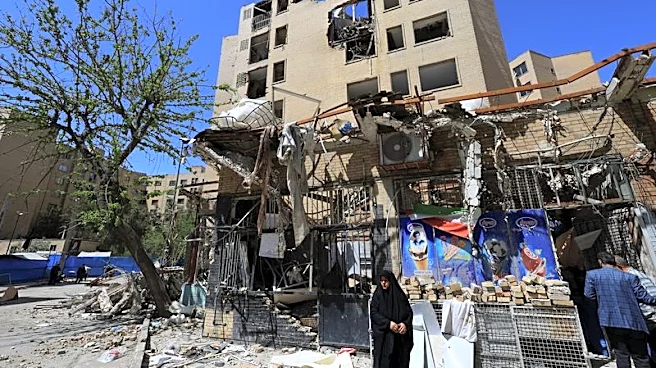
Ongoing tensions in the Middle East, particularly between Israel and Hezbollah, along with U.S. sanctions on Iranian ports, have kept crude oil prices above $100 per barrel. This situation has led to a decline
in emerging market stocks and currencies, as investors seek safer assets like the U.S. dollar. The geopolitical instability is causing significant volatility in global markets, with energy-importing countries facing increased economic pressure. Central banks in affected regions, such as Indonesia and India, are taking measures to stabilize their currencies amid these challenges.
Why It's Important?
The sustained high crude prices due to Middle East tensions have far-reaching implications for the global economy. Energy-importing countries are particularly vulnerable, as increased oil prices can exacerbate inflation and strain economic resources. This situation highlights the interconnectedness of geopolitical events and global financial markets, where regional conflicts can have widespread economic repercussions. The pressure on emerging markets underscores the need for strategic economic planning and potential international cooperation to mitigate the impact of such crises.
What's Next?
As the geopolitical situation in the Middle East remains unresolved, continued market volatility is expected. Countries affected by high energy prices may seek financial support or currency swap lines from the U.S. to stabilize their economies. Additionally, there may be increased diplomatic efforts to address the underlying conflicts and reduce tensions. Investors will likely remain cautious, closely monitoring developments in the region and adjusting their strategies accordingly. The situation may also prompt discussions on energy diversification and the need for alternative energy sources to reduce dependency on volatile regions.