







What's Happening?
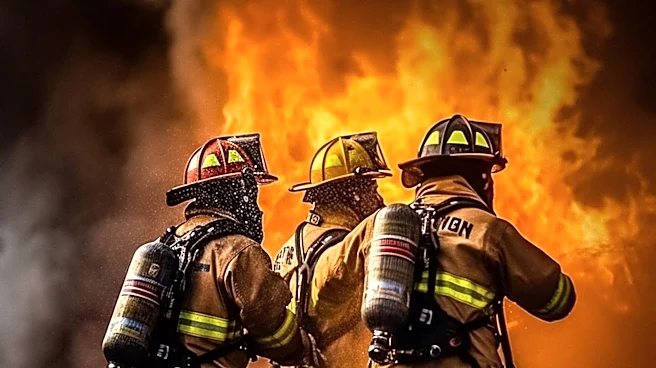
Firefighters successfully extinguished a 40-foot shipping container fire in Maili on Sunday afternoon. First responders were alerted to the incident around 2:07 p.m., with reports of smoke visible near Kaukamana and Kulaaupuni streets. The Honolulu Fire Department
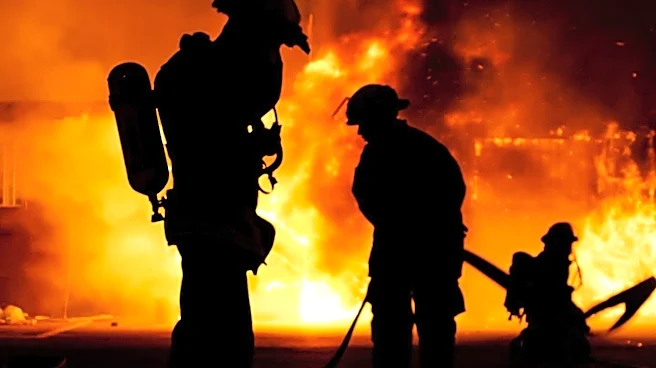
(HFD) arrived on the scene shortly before 2:17 p.m. and confirmed that a 40-foot shipping container was engulfed in flames. Firefighters utilized a tanker for water supply and initiated an offensive fire attack. The fire was brought under control within two minutes of HFD's arrival and was fully extinguished just after 2:50 p.m. Fortunately, no injuries were reported as a result of the incident. An investigation has been launched to determine the origin and cause of the fire, as well as to assess the extent of the damage.
Why It's Important?
This incident highlights the critical role of rapid response by fire departments in mitigating potential hazards, especially in densely populated or industrial areas. Shipping container fires can pose significant risks due to the unknown contents they might hold, which could include hazardous materials, leading to toxic fumes or explosions. The swift control and extinguishment of the fire by the Honolulu Fire Department prevented potential escalation, protecting nearby properties and ensuring public safety. Such incidents also underscore the importance of proper storage and handling procedures for goods within shipping containers to prevent accidental fires. For the local community in Maili, the quick resolution of the fire means minimal disruption and reassurance regarding the effectiveness of emergency services. The ongoing investigation will be crucial in identifying any systemic issues or specific causes that could inform future preventative measures, potentially impacting regulations for container storage and transport.
What's Next?
The Honolulu Fire Department will continue its investigation to pinpoint the exact origin and cause of the 40-foot shipping container fire in Maili. This investigation will also include an assessment of the damage incurred. The findings from this inquiry could lead to recommendations for improved safety protocols for shipping container storage and handling in the area, and potentially across the state. Depending on the cause, there might be implications for insurance claims, regulatory reviews, or even legal actions if negligence is determined. Local authorities may also review emergency response procedures to identify any areas for further optimization. For the community, the focus will be on understanding the incident's impact and ensuring that similar events are prevented in the future through enhanced safety measures and public awareness.
Beyond the Headlines
Beyond the immediate response, this incident subtly points to the broader logistical and safety challenges associated with global supply chains and local storage. Shipping containers are ubiquitous in modern commerce, serving as temporary storage units and transport vessels. A fire in such a container, even if quickly contained, can raise questions about the types of goods being stored, the adequacy of fire suppression systems in storage facilities, and the potential environmental impact of burning materials. This event could prompt a re-evaluation of zoning laws for container storage, particularly in residential proximity, and the enforcement of safety standards. It also underscores the often-unseen risks associated with the movement and storage of goods that underpin daily life, reminding communities and authorities of the constant need for vigilance and preparedness in managing these essential but potentially hazardous components of the economy.