





What's Happening?
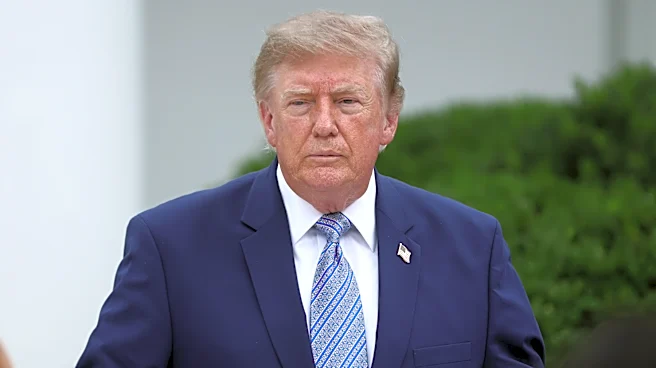
President Trump announced that the United States is negotiating a significant deal to purchase potash from Belarus. This development comes as part of ongoing discussions between Minsk and Washington, which have already led to the release of hundreds of Belarusian
political prisoners and the lifting of some U.S. sanctions against Belarus. On September 16, 25 political prisoners were freed following a meeting between Belarusian President Alexander Lukashenka and John Coale, the U.S. special envoy for Belarus. In exchange, Washington lifted sanctions on Belarusian Timber, Woodworking, Pulp and Paper Industry Concern (Biellespapierapram) and AAT Lakafarba, a state-owned producer of paints and varnishes. President Trump stated that the pricing for Belarusian potash would be 'substantially less' than what the U.S. currently pays to Canada, which he described as 'very good news for our Farmers and Ranchers.' However, President Lukashenka indicated that Belarus might not have large volumes of potash available for the U.S. this year, as current output is already committed to other countries, primarily in the East, accounting for 85 percent of Belarusian exports and imports.
Why It's Important?
This potential potash deal holds significant implications for U.S. agriculture and international relations. For U.S. farmers and ranchers, securing potash at a lower price could reduce input costs, potentially leading to more competitive agricultural products and increased profitability. Potash is a crucial fertilizer, and a more affordable supply could bolster food security and agricultural output. From a geopolitical perspective, the negotiations highlight a complex interplay between economic interests and human rights concerns. The U.S. is leveraging economic incentives, such as sanctions relief and trade deals, to encourage the release of political prisoners in Belarus. This approach suggests a strategic shift in engaging with nations under authoritarian rule, balancing punitive measures with diplomatic and economic overtures. However, the deal also raises questions about supporting a regime criticized for human rights violations and its alignment with Russia, particularly in the context of the war in Ukraine. The Lithuanian foreign minister has expressed concerns, arguing that easing sanctions on Belarus is unwarranted given the continued repression and support for Russia.
What's Next?
The immediate next steps involve continued negotiations between the U.S. and Belarus regarding the potash deal. While President Trump has expressed optimism about securing a favorable price, President Lukashenka's comments about limited available supply suggest that the volume and timing of any potential shipments will be key points of discussion. Further releases of political prisoners could be a condition for advancing the deal, as the U.S. special envoy John Coale had reportedly aimed for the release of 200 to 300 prisoners. The U.S. administration will likely face scrutiny from international partners and human rights organizations regarding the ethical implications of engaging in a large-scale trade deal with the Belarusian regime. The European Union, in particular, may continue to advocate against easing sanctions, potentially creating diplomatic tensions. The long-term impact on U.S. agricultural markets will depend on the final terms of the deal and Belarus's ability to meet demand, while the broader geopolitical implications will hinge on whether this engagement leads to sustained improvements in human rights in Belarus or is perceived as legitimizing the current regime.
Beyond the Headlines
Beyond the immediate economic and political considerations, this potential potash deal touches upon deeper ethical and strategic dilemmas in U.S. foreign policy. The strategy of linking economic incentives to human rights improvements in Belarus presents a 'carrot and stick' approach, but its effectiveness and moral implications are subject to debate. Critics might argue that such deals could inadvertently provide financial lifelines to authoritarian regimes, allowing them to consolidate power despite ongoing human rights abuses. Conversely, proponents might contend that direct engagement and economic leverage are more effective tools for achieving tangible results, such as the release of political prisoners, than isolation alone. The situation also underscores the global competition for critical resources like potash, which is essential for agricultural productivity worldwide. The U.S. pursuit of alternative supply chains, even from controversial sources, reflects a broader effort to secure vital commodities and reduce reliance on traditional, potentially more expensive, suppliers. This could set a precedent for future U.S. engagements with other nations facing similar geopolitical and human rights challenges, highlighting a pragmatic shift in foreign policy that prioritizes specific outcomes while navigating complex ethical landscapes.