




What's Happening?
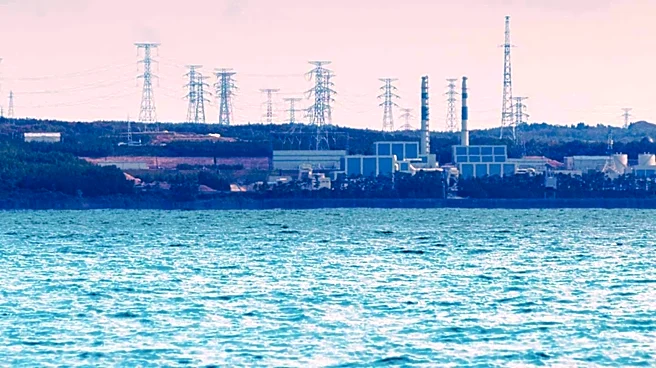
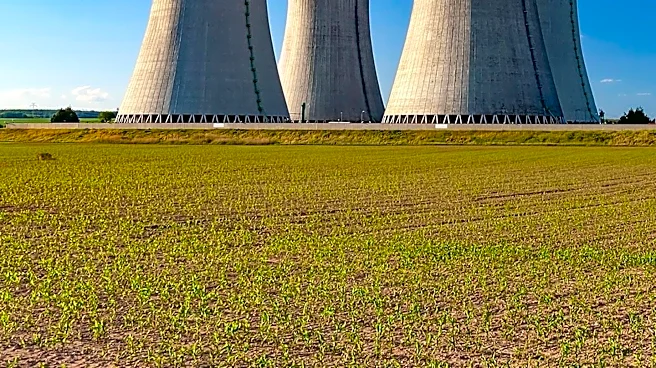
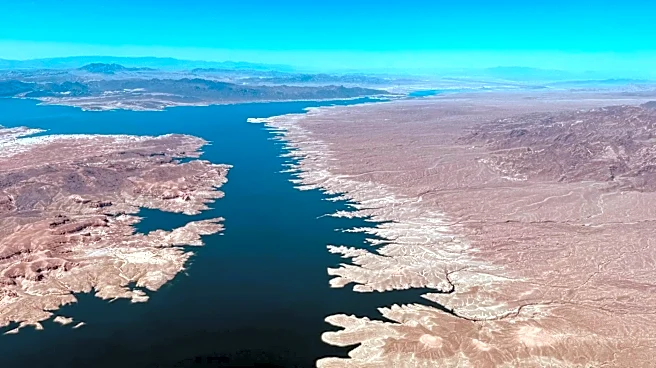
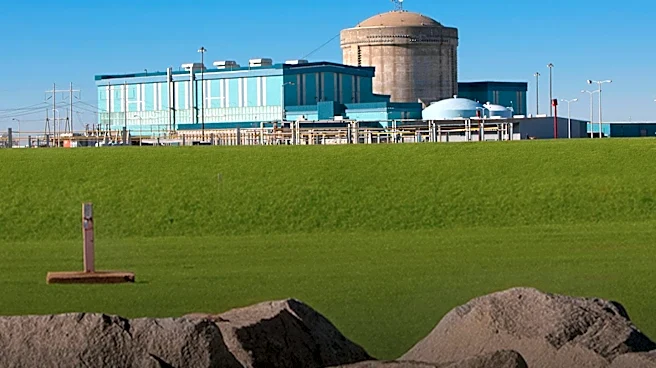
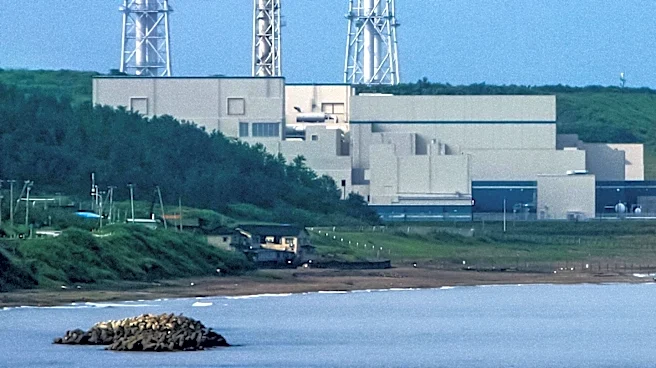
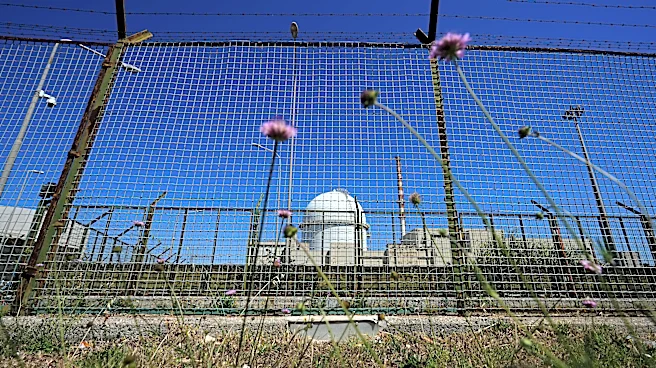
Romania's Nuclearelectrica has announced the temporary shutdown of both reactors at the Cernavoda nuclear power plant due to historically low water levels in the Danube River. The reactors, which use Danube water for cooling, are crucial for meeting nearly
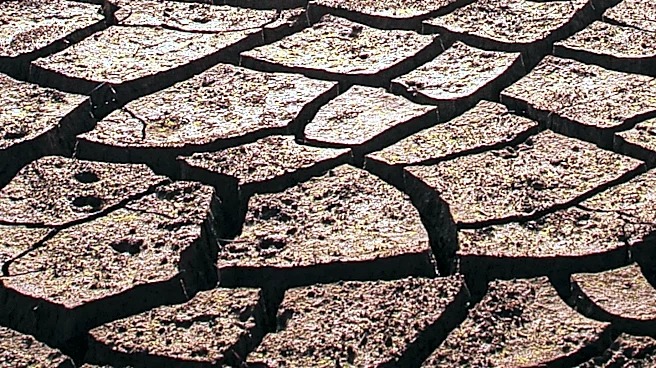
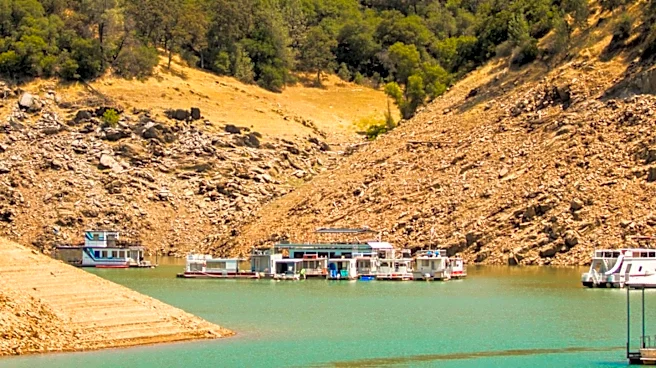
20% of Romania's electricity demand during peak hours. The shutdown of Unit 1 occurred on July 28, followed by Unit 2 on July 30. This marks the first time in 23 years that the plant has been forced offline due to low river flow. The situation is part of a broader regional impact, with Hungary also reducing production at its Paks nuclear plant. Romania's power system is expected to rely more heavily on imports and other energy sources during this period.
Why It's Important?
The shutdown of the Cernavoda nuclear reactors highlights the vulnerability of energy infrastructure to environmental changes, such as droughts affecting river water levels. This situation underscores the need for diversified energy sources and improved water management strategies. The reliance on imports and alternative energy sources may lead to increased electricity costs for consumers. Additionally, the shutdown could impact Romania's energy security and its ability to meet domestic electricity demand, potentially leading to broader economic implications.
What's Next?
Romania plans to activate all available generation capacity, including gas-fired power plants, photovoltaic, wind power, and imports, to compensate for the loss of nuclear generation. The government is urging households and industrial consumers to reduce electricity consumption during peak hours. The reactors are expected to resume production in early August, depending on hydrological forecasts. The situation may prompt discussions on long-term strategies to mitigate the impact of environmental changes on energy infrastructure.