




What's Happening?
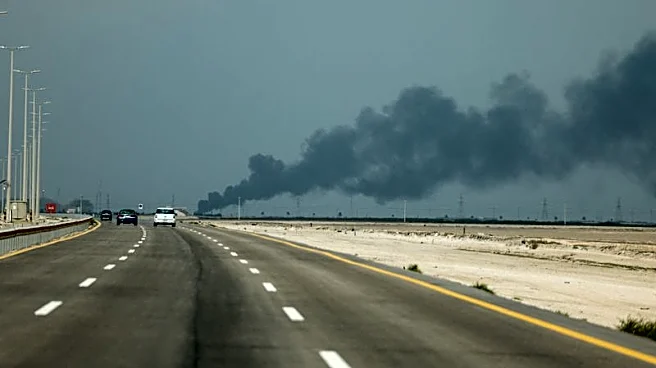
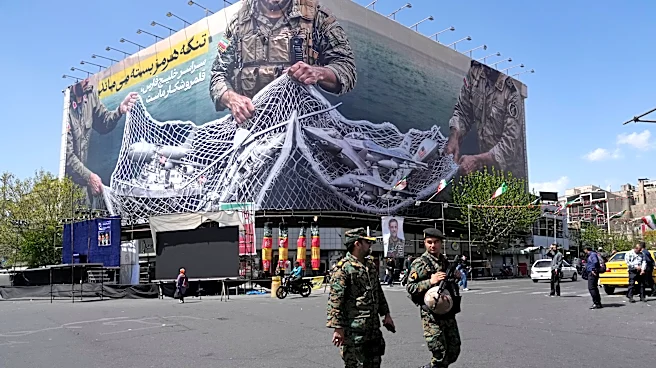
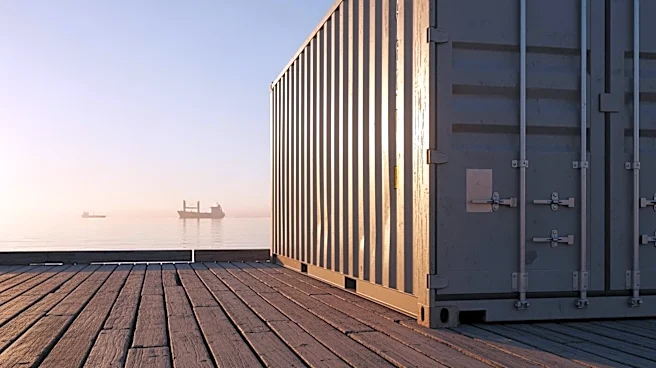
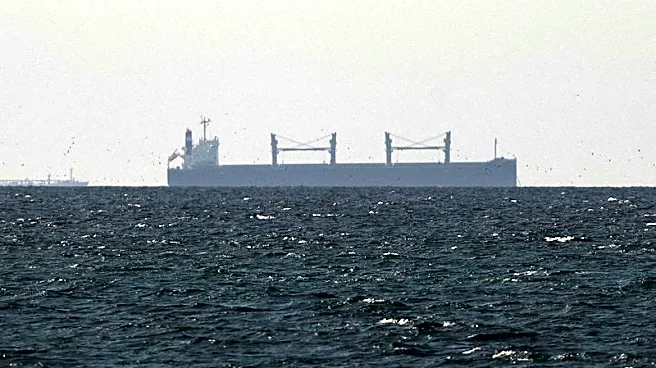
Maersk, a leading container shipping company, has announced that despite a two-week ceasefire between the U.S. and Iran, it remains cautious about resuming normal shipping operations in the Strait of Hormuz. The conflict, which began with U.S.-Israeli
strikes on Iran and subsequent Iranian attacks, has severely disrupted shipping in the Gulf region. Maersk had previously suspended cargo bookings to several ports in the area and implemented emergency bunker fuel surcharges globally due to rising fuel costs. The company stated that while the ceasefire might offer some transit opportunities, it does not yet provide full maritime certainty. Maersk is conducting continuous risk assessments and closely monitoring the security situation, relying on guidance from relevant authorities and partners.
Why It's Important?
The cautious approach by Maersk highlights the ongoing uncertainty in the Gulf region, which is a critical artery for global oil and shipping routes. The Strait of Hormuz is a strategic chokepoint, and disruptions there can have significant implications for global supply chains and fuel prices. Maersk's decision to maintain caution reflects the broader concerns within the shipping industry about security and stability in the region. The company's reliance on alternative routes, such as the land-bridge system through ports in Saudi Arabia, Oman, and the UAE, underscores the need for contingency plans in response to geopolitical tensions. The situation affects not only shipping companies but also industries reliant on timely and secure transport of goods.
What's Next?
Maersk plans to continue monitoring developments closely and will provide updates as more clarity emerges regarding the security situation in the Strait of Hormuz. The company will base any decisions to transit the strait on ongoing risk assessments and guidance from authorities. The broader shipping industry will likely follow suit, with companies assessing the risks and potential impacts on their operations. Stakeholders, including governments and international organizations, may need to engage in diplomatic efforts to ensure long-term stability in the region, which is vital for global trade.