







What's Happening?
Governor Tony Evers and the Wisconsin Housing and Economic Development Authority (WHEDA) CEO & Executive Director Elmer Moore, Jr., along with local leaders, employers, and stakeholders, celebrated the groundbreaking of the new Scholar’s Ridge development
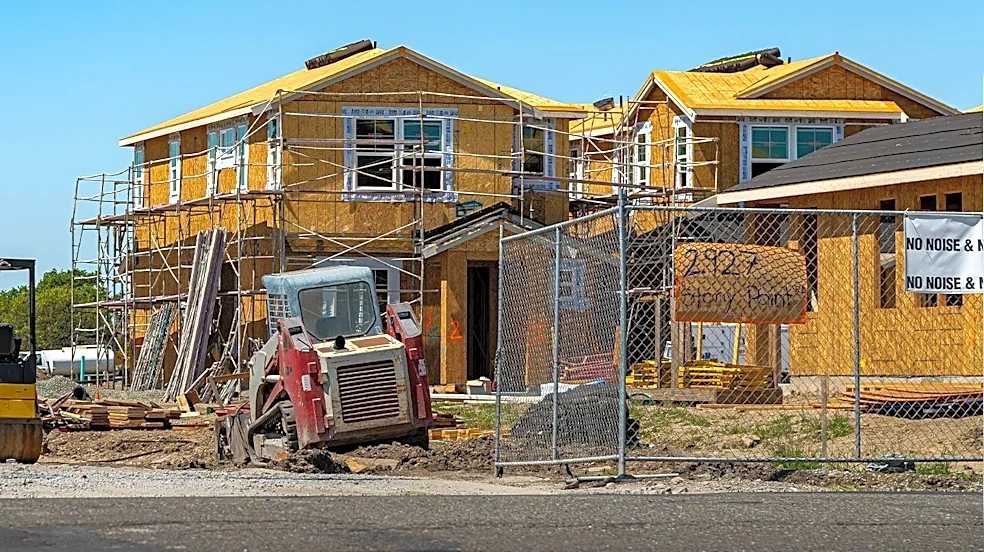
in Plymouth, Wisconsin. This project aims to provide affordable single-family homes and is being funded with a $3.4 million Infrastructure Access Loan administered by WHEDA. This loan is part of three programs—Vacancy-to-Vitality, Infrastructure Access, and Restore Main Street—created through bipartisan legislation signed by Gov. Evers in 2023. These programs are supported by a $525 million investment from the 2023-25 Biennial Budget, marking the largest state investment in workforce housing in Wisconsin's history. To date, these three programs have supported nearly 3,500 workforce housing units statewide, contributing to over 35,000 housing units built since 2019 to address the needs of Wisconsin's workforce, families, seniors, and communities. The Scholar’s Ridge development, located on 32 acres, will introduce 102 new single-family homes, priced to offer attainable homeownership for working families.
Why It's Important?
This initiative is crucial for Wisconsin as it directly addresses the critical shortage of affordable workforce housing, which is essential for building a strong workforce, robust communities, and a thriving state economy. The investment of $525 million signifies a substantial commitment from the state government to tackle housing affordability, a challenge impacting many U.S. regions. By fostering public-private partnerships, such as those involving Sheboygan County's ARPA funds, private donors, WHEDA, and the City of Plymouth, the project creates a model for other communities facing similar housing crises. The development of 102 new single-family homes in Plymouth will provide stable housing options for working families, potentially reducing housing-related financial burdens and improving overall quality of life. This also supports local employers by ensuring their workforce has access to affordable housing, which can aid in talent retention and attraction, thereby strengthening the local economy and community infrastructure.
What's Next?
The Scholar’s Ridge development will proceed with construction, aiming to bring 102 new single-family homes to Plymouth, Wisconsin. The success of this project could serve as a blueprint for future public-private partnerships in addressing workforce housing shortages across Wisconsin and potentially other states. Continued monitoring of the effectiveness of the Infrastructure Access Loan and the other two loan programs (Vacancy-to-Vitality and Restore Main Street) will be essential to assess their long-term impact on housing affordability and availability statewide. The state government, through WHEDA, will likely continue to evaluate and fund similar projects, building on the momentum of this significant investment. Local communities and economic development corporations may seek to replicate the Sheboygan County Economic Development Corporation’s Housing Initiative, which aims to create 600 entry-level affordable single-family homes, further expanding access to affordable housing options for working families.
Beyond the Headlines
The initiative highlights a broader shift in state-level policy towards proactive intervention in housing markets to support economic development and social equity. By prioritizing workforce housing, Wisconsin is acknowledging the direct link between housing stability and economic productivity. This approach could inspire other states to adopt comprehensive strategies that combine legislative action, significant financial investment, and collaborative partnerships to address housing challenges. Furthermore, the focus on single-family homes within an affordable framework challenges the traditional narrative that affordable housing is solely about multi-family units, offering diverse housing solutions. The long-term implications include potential improvements in community stability, reduced commute times for workers, and enhanced local economic resilience, fostering a more equitable and sustainable growth model for the state.