


What's Happening?
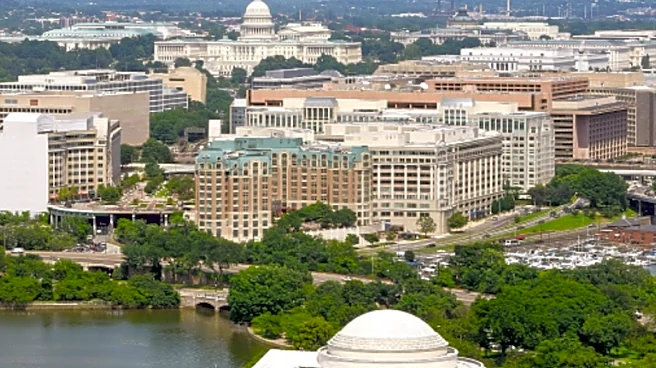
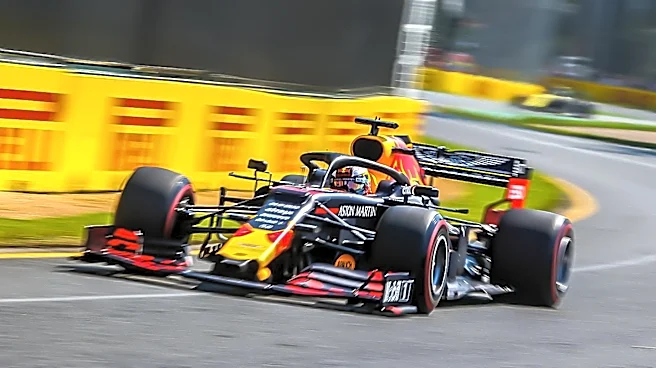
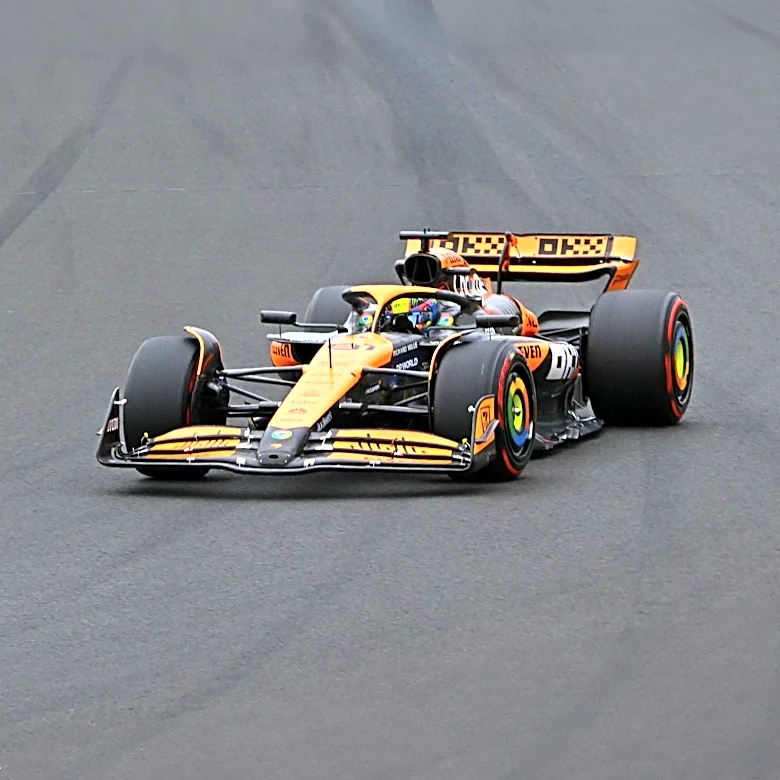
Washington, D.C. is preparing for the Freedom 250 Grand Prix, an event expected to draw tens of thousands of visitors to the city. Mayor Muriel Bowser, along with other officials, has outlined plans for road closures and security measures in anticipation
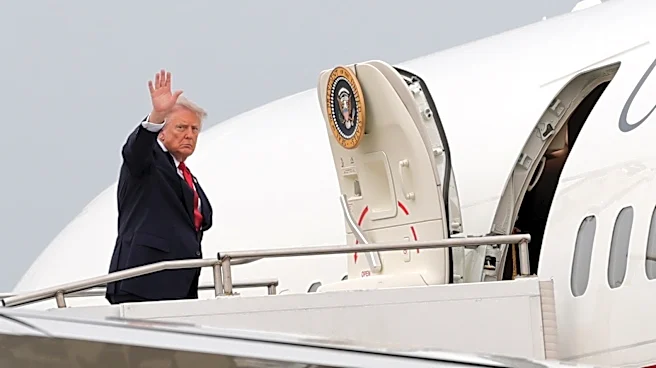
of the race, which is scheduled for August 22-23, 2026. The race, marking the United States Semiquincentennial, will be the first auto race held in the nation's capital. President Trump issued an executive order in January 2026, directing the U.S. Departments of Transportation and the Interior to establish a race route through the National Mall and surrounding streets. The event has been designated as a SEAR 1 event, indicating a high level of security, though not as high as a National Special Security Event. The Secret Service and FBI are monitoring the situation, with no credible threats identified so far. Traffic advisories have been issued, with partial lane closures starting from July 22 and continuing through early September. Approximately 140,000 people are expected to attend each day, with free tickets already claimed and club seats available for purchase.
Why It's Important?
The Freedom 250 Grand Prix represents a significant logistical and security challenge for Washington, D.C., as it prepares to host a large-scale event in a highly populated urban area. The race is not only a celebration of the nation's 250th anniversary but also a major public event that could boost local tourism and economy. The extensive security measures underscore the importance of ensuring public safety during such high-profile events. The race also highlights the city's capacity to host large international events, potentially setting a precedent for future activities. The impact on local traffic and transportation systems will be significant, requiring careful coordination to minimize disruptions for residents and commuters.
What's Next?
As the event date approaches, further coordination between local and federal agencies will be crucial to ensure the smooth execution of the race. Residents and visitors are encouraged to use public transportation to alleviate traffic congestion. The success of the event could influence future decisions regarding the hosting of similar large-scale events in the city. Continuous monitoring by security agencies will be essential to address any emerging threats or challenges. The outcome of the event could also impact the perception of Washington, D.C. as a viable location for international sporting events.