







What's Happening?
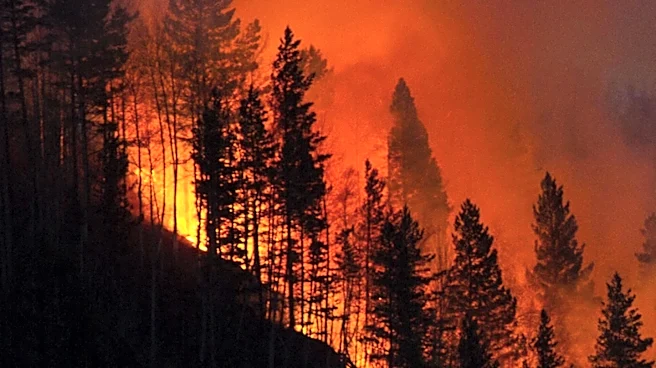
Minnesota Governor Tim Walz has mobilized the state's National Guard to address a series of wildfires burning along Minnesota's northern border with Canada. These fires have consumed over 800 acres in just five days and remain uncontained. The deployment
comes as part of a peacetime emergency declaration aimed at bolstering wildfire response efforts. The fires are part of a larger pattern of wildfires across the United States, exacerbated by hot and dry conditions linked to an El Nino weather pattern. The Superior National Forest, a popular summer destination attracting approximately 150,000 visitors, is currently affected, with park rangers evacuating visitors over the weekend. The National Weather Service has noted that high temperatures have increased the fire risk in the area.
Why It's Important?
The mobilization of the National Guard underscores the severity of the wildfire situation in Minnesota and highlights the broader challenges posed by climate-related events. Wildfires not only threaten natural habitats and wildlife but also pose significant risks to human safety and property. The economic impact is also considerable, as areas like the Superior National Forest are vital for tourism, which could suffer due to the fires. The situation reflects a growing need for effective wildfire management strategies and resources to combat increasingly frequent and intense fire seasons. The deployment of the National Guard is a critical step in protecting communities and natural resources, but it also signals the potential for increased state and federal involvement in addressing climate-related disasters.
What's Next?
The immediate focus will be on containing the fires and ensuring the safety of residents and visitors in the affected areas. Continued monitoring of weather conditions will be crucial, as changes could either aid or hinder firefighting efforts. The state may seek additional federal assistance if the situation worsens. In the long term, this event may prompt discussions on improving wildfire preparedness and response strategies, as well as addressing the underlying climate factors contributing to such events. Stakeholders, including government agencies, environmental groups, and local communities, will likely engage in dialogue to develop more robust policies and practices to mitigate future risks.