



What's Happening?
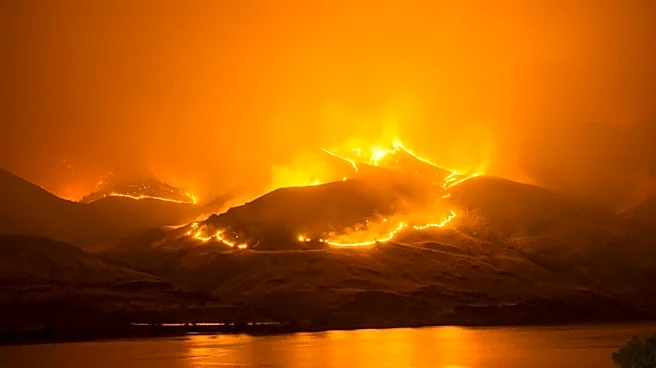
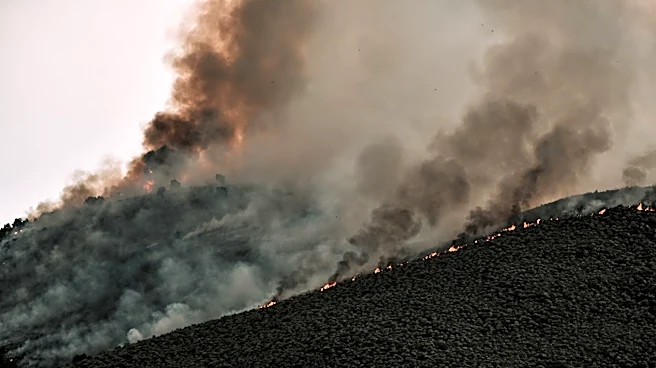
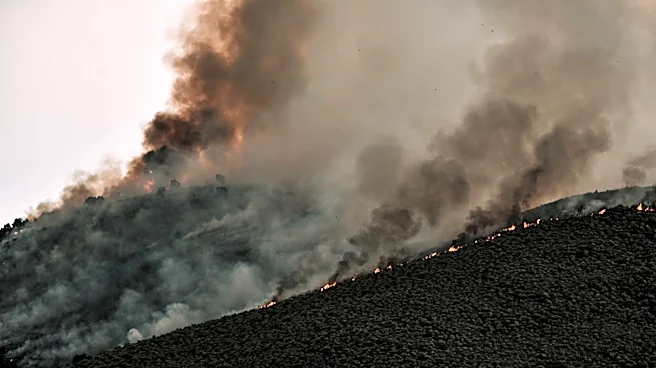
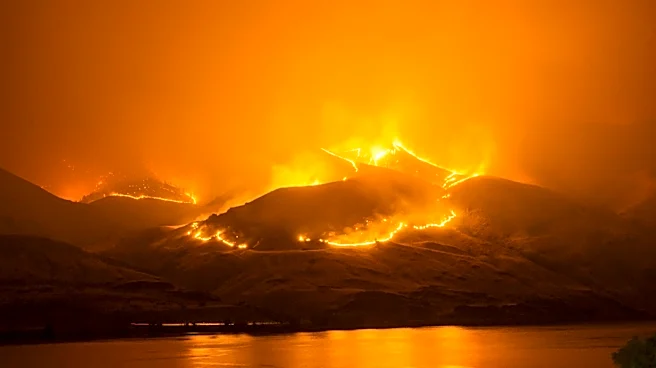
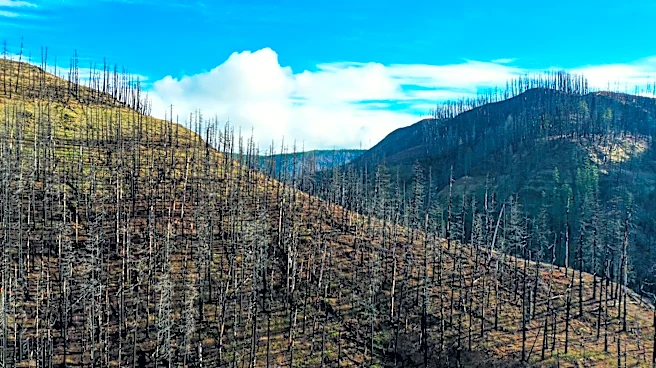
Oregon is experiencing a record-breaking wildfire season in 2026, with over 2.3 million acres burned across the state by August 10 from more than 1,400 fires. This area surpasses the combined size of Delaware and Rhode Island and has already exceeded
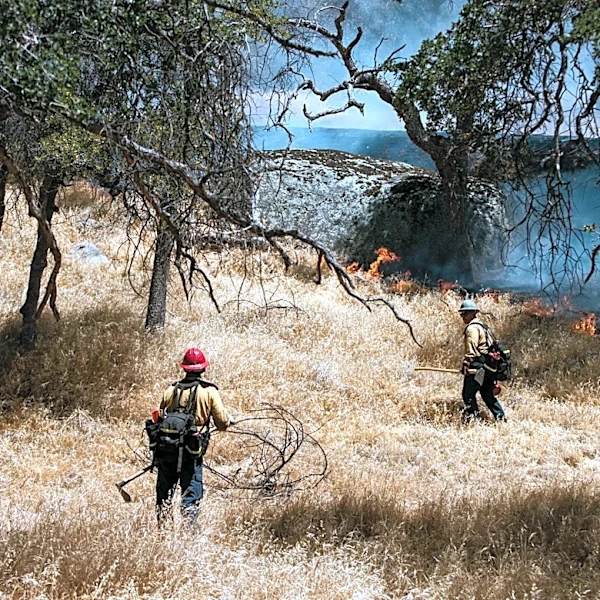
the total acreage burned in the previous record-setting 2024 fire season. The peak fire season typically occurs in August and September, but large, fast-moving fires began in early July this year, exacerbated by low snowpack, widespread drought conditions, and persistent lightning strikes. The Big Grass fire, one of the largest, has scorched over 500,000 acres spanning the Idaho-Oregon border and is only 36% contained. Jessica Neujahr, a spokeswoman for the Oregon Department of Forestry, confirmed that fire activity is expected to continue throughout the season, noting that fire seasons have progressively worsened since 2013.
Why It's Important?
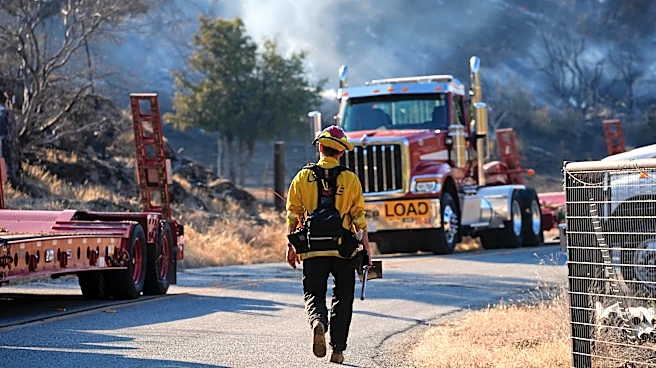
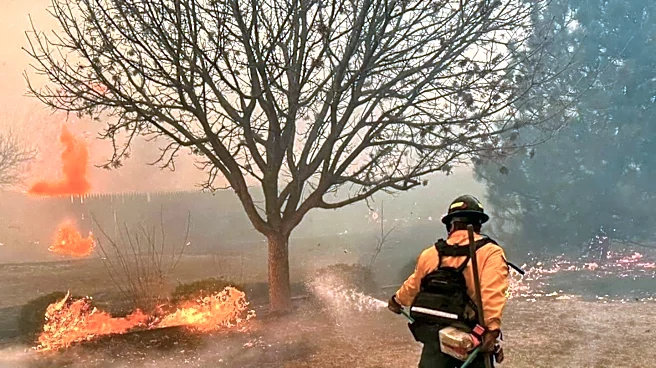
The unprecedented scale of Oregon's 2026 wildfire season carries significant implications for public safety, environmental health, and state resources. The extensive acreage burned leads to widespread air quality issues, property destruction, and displacement of residents, as exemplified by Beverly Friesen's evacuation from Prineville. Economically, the fires devastate timber resources, impact tourism, and incur massive costs for firefighting efforts, which are already straining the state's budget and personnel. The Oregon Department of Forestry's resources are "spread extremely thin," with over 9,000 personnel currently fighting fires, yet lacking typical support from other states and federal agencies. This situation highlights a critical challenge in resource allocation and inter-state cooperation during escalating climate-related disasters. The loss of a firefighter, Jason Ensign, underscores the extreme dangers faced by emergency responders.
What's Next?
Jessica Neujahr of the Oregon Department of Forestry anticipates that the current extreme fire activity will persist as the season progresses. The department has been forced to adapt its strategies, moving away from aggressive initial attacks due to the rapid and unsafe expansion of fires. Instead, crews are focusing on creating barriers and backfires to control spread. This shift indicates a long-term adaptation to more intense fire behavior. Neujahr suggests that this record-breaking season should be considered part of Oregon's "new normal," necessitating a change in mindset and adaptive measures to meet these challenges. Efforts will likely intensify to prevent human-caused fires, which accounted for 73% of all fires between 2000 and 2025, to alleviate pressure on overwhelmed systems.
Beyond the Headlines
The escalating severity of Oregon's wildfires points to deeper environmental and societal shifts. The progressively worse fire seasons since 2013, driven by factors like low snowpack and drought, are consistent with broader climate change trends impacting the Western U.S. This "new normal" demands a re-evaluation of land management practices, urban planning in wildland-urban interfaces, and public awareness campaigns regarding fire prevention. The strain on firefighting resources and the need for adapted strategies highlight systemic vulnerabilities in disaster response. Furthermore, the emotional and psychological toll on affected communities, like those forced to evacuate, represents a significant, often overlooked, long-term consequence of these environmental disasters, potentially leading to increased mental health challenges and community displacement.