



What's Happening?
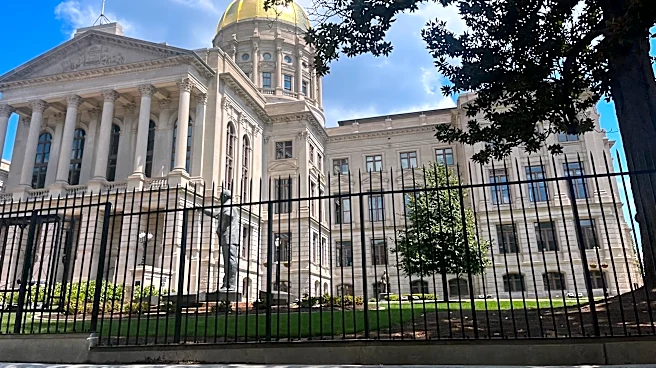
Georgia Attorney General Chris Carr has issued a consumer alert warning residents about the dangers of illegal online pharmacies. These platforms are reportedly selling counterfeit, expired, unapproved, or improperly stored medications, posing significant
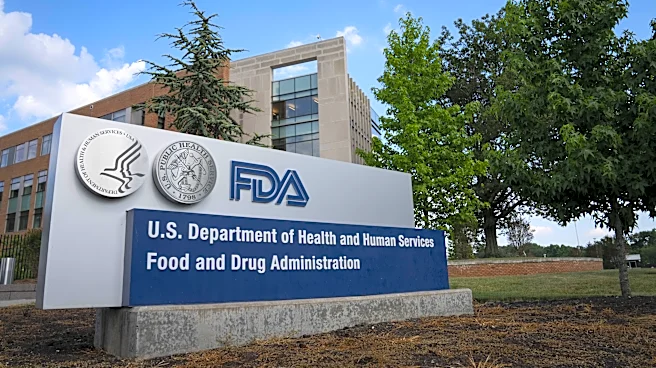
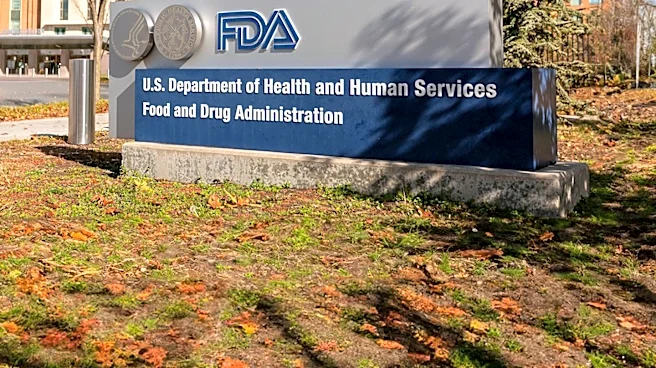
health risks. Counterfeit drugs can contain incorrect ingredients, dangerous contaminants, or deadly substances like fentanyl, and they encompass a wide range of medicines, including cancer treatments, injectables, and popular weight-loss and diabetes drugs. According to the National Association of Boards of Pharmacy (NABP) and the U.S. Food and Drug Administration (FDA), approximately 95% of the 35,000 online pharmacies globally operate illegally, with fewer than 4% complying with U.S. laws. The U.S. Drug Enforcement Administration (DEA) has also warned that illegal online pharmacies are shipping counterfeit pills containing fentanyl and methamphetamine to unsuspecting American consumers.
Why It's Important?
This consumer alert is crucial for public health and safety in Georgia and across the U.S. The proliferation of illegal online pharmacies presents a fast-growing threat, as consumers seeking convenience or affordability may unknowingly purchase dangerous products. The presence of deadly substances like fentanyl in counterfeit medications highlights the severe and potentially fatal consequences of using unregulated online sources. Beyond the immediate health risks, these illicit websites may also engage in identity theft and financial fraud, further jeopardizing consumers. The warning underscores the importance of verifying the legitimacy of online pharmacies, as a lower price is not worth risking one's health. This issue impacts not only individual consumers but also the broader healthcare system, as it can lead to adverse health outcomes and increased strain on emergency services.
What's Next?
Attorney General Carr advises Georgians to take several protective measures before purchasing medication online. Consumers should verify the pharmacy's license through the Georgia Board of Pharmacy, including mail-order and out-of-state pharmacies that ship to Georgia. They are also encouraged to check the FDA's BeSafeRx website for information on identifying safe online pharmacies and to use NABP's free Safe Site Search tool at safe.pharmacy to flag 'Not Recommended' sites. Consulting a licensed pharmacist for medication-related questions is also recommended. If an online pharmacy is suspected of operating illegally, consumers should report it to the Georgia Attorney General’s Consumer Protection Division, the Federal Trade Commission, the U.S. Food and Drug Administration, or the National Association of Boards of Pharmacy.
Beyond the Headlines
The issue of counterfeit medicines sold online points to a broader challenge in regulating digital commerce and protecting consumers in an increasingly interconnected world. The ease of setting up online storefronts makes it difficult for regulatory bodies to keep pace with illicit operations. This problem is exacerbated by the global nature of the internet, allowing illegal pharmacies to operate from various jurisdictions, complicating enforcement efforts. The warning also highlights the critical role of consumer education in mitigating risks, as individuals must become more vigilant and informed about the sources of their medications. The long-term implications include the potential erosion of trust in online healthcare services and the need for more robust international cooperation to combat the trafficking of dangerous counterfeit drugs.