






What's Happening?
The U.S. Department of Homeland Security (DHS) has announced a Biodetection Prize Challenge, an initiative designed to encourage innovation in identifying biothreats. This challenge is open to individuals who are U.S. Citizens or legal permanent residents
over 18, and to legal U.S. incorporated entities whose primary place of business is in the U.S. The goal is to foster the development of new technologies and methods for rapid and accurate detection of biological threats. Certain individuals are ineligible to compete, including DHS officers, directors, advisory board members, employees, support contractors, and challenge judges, as well as their immediate family members and household residents. Additionally, residents designated by the United States Treasury’s Office of Foreign Assets Control are not eligible for cash prizes. Contestants must apply according to the rules and will be subject to verification by DHS before any cash prizes are awarded. Finalists and prize winners will need to register with the System for Awards Management (SAM.gov) to receive awards.
Why It's Important?
This Biodetection Prize Challenge is a critical step in enhancing national security by bolstering the nation's ability to detect and respond to biological threats. The rapid identification of biothreats is paramount for preventing widespread public health crises, protecting critical infrastructure, and mitigating potential acts of bioterrorism. By incentivizing innovation through a prize challenge, DHS aims to tap into a broader pool of scientific and technological talent, potentially leading to breakthroughs that traditional procurement methods might miss. The involvement of U.S. citizens and entities ensures that the intellectual property and expertise developed remain within the country, strengthening domestic capabilities. The challenge addresses a vital need for advanced biodetection technologies that can provide early warnings and enable swift, effective countermeasures, thereby safeguarding the health and safety of the American public and the stability of the U.S. economy.
What's Next?
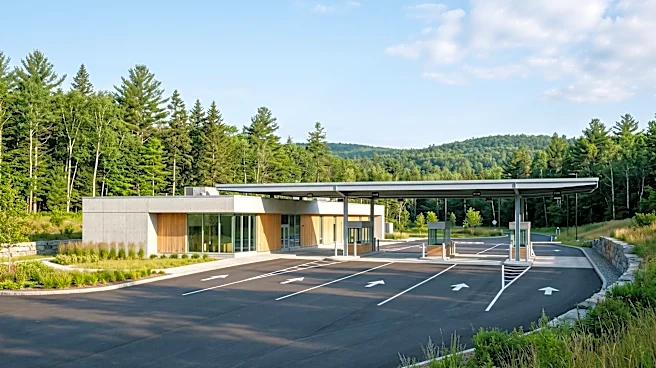
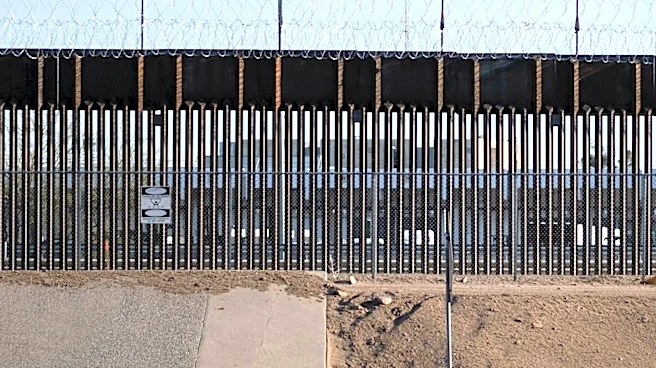
Contestants will proceed with developing and submitting their biodetection solutions according to the challenge rules. DHS will evaluate submissions, and selected finalists and prize winners will be notified. These individuals or entities will then need to complete the necessary registration with SAM.gov to receive their cash prizes. The successful technologies or methodologies emerging from this challenge could be integrated into DHS's existing biodefense strategies and deployed across various sectors, including public health, emergency response, and border security. This initiative is expected to foster ongoing research and development in biodetection, potentially leading to a more resilient national biodefense infrastructure. DHS will likely continue to monitor and support the advancement of promising solutions, ensuring that the U.S. remains prepared for future biological threats.
Beyond the Headlines
The Biodetection Prize Challenge highlights a proactive approach to national security that extends beyond conventional threats. It underscores the growing recognition of biological agents as significant risks, whether naturally occurring or intentionally deployed. This initiative touches upon the ethical dimensions of scientific innovation, particularly in dual-use technologies that could have both beneficial and harmful applications. The challenge also reflects a broader trend in government to leverage open innovation and crowd-sourcing to address complex problems, moving beyond traditional R&D models. The long-term implications include not only enhanced biodefense capabilities but also potential advancements in public health diagnostics and environmental monitoring. The success of such challenges can foster a culture of innovation that benefits national security while also contributing to scientific progress and economic growth in related fields. It also raises questions about data sharing, intellectual property rights, and the responsible development of sensitive technologies.