





What's Happening?
Public interest in geoengineering, particularly solar radiation modification (SRM), is increasing due to mounting climate change risks. Research suggests that SRM could mitigate some climate threats, but it also introduces new risks and complex governance
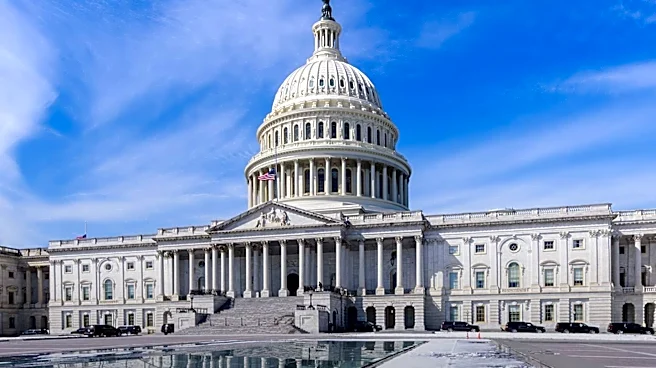
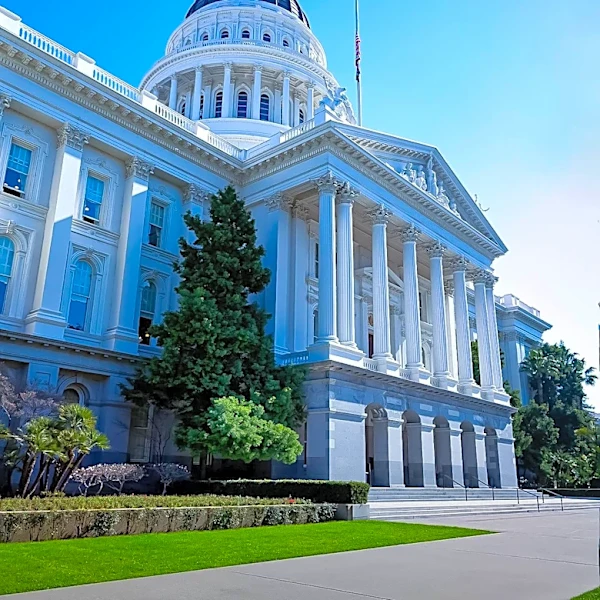
challenges. In the U.S., numerous legislative attempts to ban geoengineering research have largely failed. During the last legislative session, 70 ban bills were introduced across 29 states to curtail research or deployment of geoengineering, solar radiation modification, and/or weather modification. Only one of these bills successfully passed into law. This resistance to research is often influenced by misinformation, with climate interventions, especially stratospheric aerosol injection (SAI), being wrongly associated with 'chemtrail' conspiracy theories. These theories falsely claim that airplane emissions are toxic chemicals used for government-orchestrated weather and mind control. This misinformation has also impacted federal legislation, such as the 'Clear Skies Act' introduced by Representative Marjorie Taylor Green, which aimed to criminalize climate intervention and weather modification research, though it did not become law.
Why It's Important?
The failure of most geoengineering research ban bills in the U.S. is significant because it underscores a growing recognition of the potential role of climate interventions in addressing severe climate impacts. Banning such research prematurely could prevent the U.S. from developing crucial tools to combat climate-driven threats like extreme heat and wildfires, which have direct public health implications. The influence of conspiracy theories on policy-making, as seen with the 'chemtrail' narrative, highlights a broader challenge in distinguishing scientific inquiry from misinformation. This dynamic can stifle American innovation and create knowledge gaps, potentially leaving the U.S. behind other nations in understanding and utilizing climate intervention technologies. Furthermore, the public health sector relies on such research to accurately characterize and guard against potential adverse health effects of proposed climate intervention techniques, as well as to understand their impacts on critical systems like agriculture.
What's Next?
The ongoing debate surrounding geoengineering research suggests a continued push for both scientific advancement and regulatory frameworks. Researchers will likely continue to advocate for transparent, accountable, and legitimate research practices, emphasizing the need for field studies and outdoor experiments to move beyond computer models. This will involve engaging with affected communities and ensuring their feedback, potentially including veto power, in the design and execution of experiments. Policymakers will face the challenge of balancing public concerns, often fueled by misinformation, with the scientific imperative to explore all viable options for climate change mitigation. The focus will likely shift towards developing policies that allow for responsible research with appropriate guardrails, rather than outright bans, to avoid losing valuable information and advances in climate intervention technologies. The outcome of these efforts will determine the U.S.'s capacity to innovate and respond to the escalating climate crisis.
Beyond the Headlines
The struggle over geoengineering research reveals deeper societal tensions between scientific progress, public trust, and the spread of misinformation. The conflation of legitimate scientific inquiry with conspiracy theories like 'chemtrails' highlights a critical challenge in an era of polarized information environments. This dynamic not only impedes climate action but also erodes the foundation of evidence-based policy-making. The ethical implications of geoengineering, including potential moral hazards if it's perceived as a quick fix that diminishes support for emissions reduction, are also central to this discussion. The nascent status of geoengineering technology, coupled with low public awareness, presents a unique window of opportunity to shape public discourse and policy before it becomes fully politicized. However, the risk remains that opportunistic political actors could leverage these issues, further exacerbating polarization and hindering the development of potentially vital climate solutions. The long-term shift could be towards a more integrated approach where climate interventions are considered alongside mitigation, but only if public engagement is managed with extreme transparency and sensitivity to avoid deepening existing societal divides.