




What's Happening?
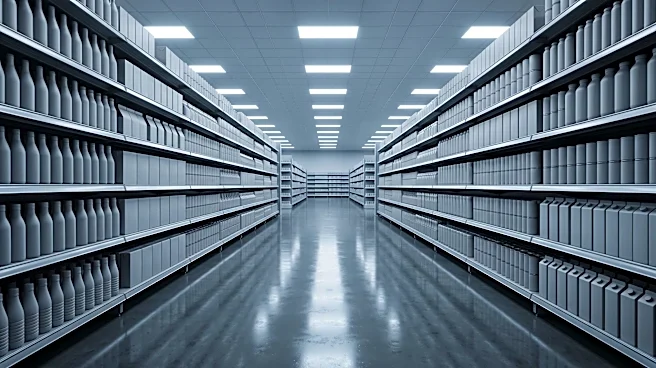
Vanderburgh County Commissioners have approved a request to site the $200 million Elliot Battery Energy Storage System (BESS) in deep southwestern Indiana. This 200-MW project, conceived by German-based RWE’s Americas renewable energy division in 2024,
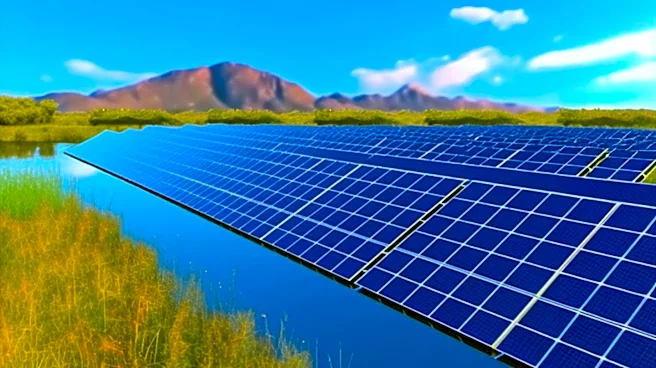
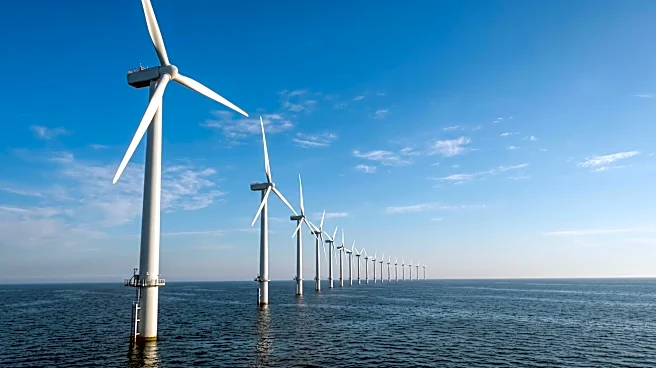
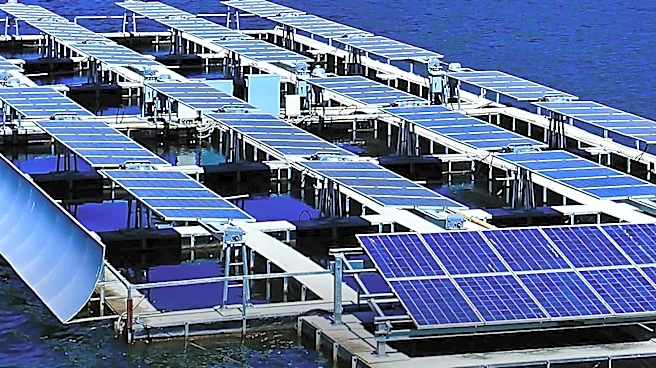
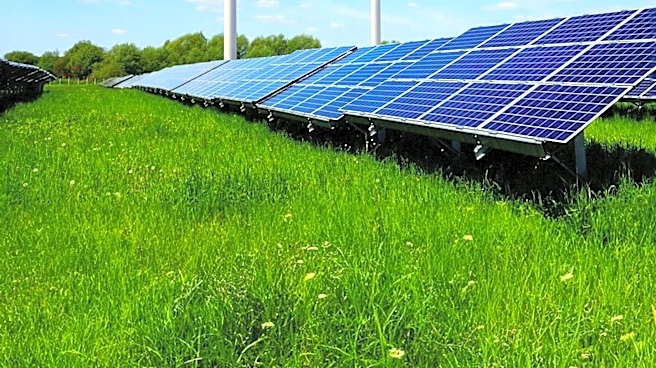
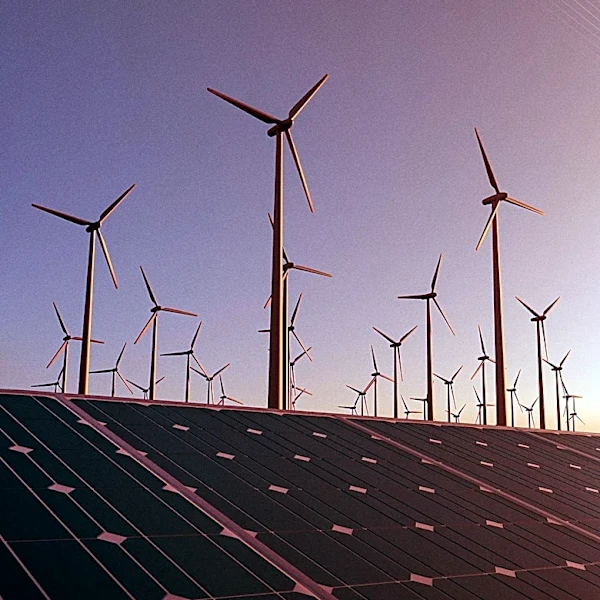
will be located near a Centerpoint Energy utility substation in Scott Township. The primary function of the Elliot BESS is to store excess wind and solar energy, deploying it during periods of peak demand and high prices. RWE Americas states that the project will add critical capacity to Indiana’s power grid, stabilize electricity supplies, and strengthen the state’s overall energy infrastructure. It aims to provide rapid-response power and improve the integration of intermittent generation sources like wind and solar, thereby reducing reliance on imported fuels and enhancing grid resiliency. The project still requires additional regulatory approvals before construction can commence.
Why It's Important?
This approval signifies a crucial step in expanding renewable energy infrastructure and grid stability within the U.S., particularly in Indiana. The Elliot BESS project addresses the inherent intermittency of renewable energy sources like wind and solar by providing a mechanism to store surplus energy and release it when needed most. This capability is vital for maintaining a consistent and reliable power supply, especially during peak demand or unexpected outages. The investment of $200 million into battery storage technology underscores a broader national trend towards integrating more renewables into the energy mix and enhancing grid resilience against disruptions. For Indiana, it means a more robust energy infrastructure, potentially lower energy costs during peak times, and a reduced carbon footprint. The project also highlights the growing role of international companies like RWE in the U.S. renewable energy sector, bringing significant investment and technological expertise.
What's Next?
The Elliot Battery Energy Storage System project, despite receiving approval from Vanderburgh County Commissioners, still needs to secure further regulatory approvals before construction can begin. While RWE Americas has not yet announced a specific timeline for the project, these subsequent approvals will dictate the pace of its development. The company will also need to finalize its choice of battery supplier, with previous projects utilizing companies like Samsung and SMA Americas. Once all necessary permits are obtained, the construction phase will commence, leading to the eventual integration of the 200-MW battery storage facility into Indiana's power grid. The successful implementation of this project could serve as a model for similar initiatives across the U.S., further accelerating the adoption of battery storage solutions to support renewable energy integration and grid modernization efforts.
Beyond the Headlines
The approval of the Elliot BESS project reflects a significant shift in energy policy and infrastructure development, moving beyond traditional fossil fuel reliance towards a more diversified and sustainable energy portfolio. This development has broader implications for energy security, as it lessens dependence on volatile fuel markets and strengthens the grid against both natural disasters and cyber threats. Ethically, it represents a commitment to environmental stewardship by facilitating greater integration of clean energy, contributing to national climate goals. Culturally, such projects can foster local economic growth through job creation in construction and maintenance, while also potentially influencing public perception and acceptance of large-scale renewable energy installations. The long-term shift towards advanced battery technology also positions the U.S. at the forefront of energy innovation, potentially driving further research and development in energy storage solutions and smart grid technologies.